

 Start Read
 Recommend

A group of friends embarks on a camping trip and stumbles upon a long-lost river with an incredible story.

Hansel and Gretel lived with their father and stepmother in a tiny house by the forest. They were very poor and often had no food to eat.

Lion and dog

1. In morning time, Mom is waking up Marissa in her bed to wake up and feed Parker 2. Marissa tells mom her bed is wet 3. Marissa excitedly tells mom a a secret 4. Mom looks nervous while talking to Marissa 5. At night Three firemen climb the ladder to Marissa’s room upstairs 6. Firemen showing Marissa fireproof hat, fireproof suit and fireproof shoes 7. Firemen teach Marissa stop, drop and roll 8. Marissa is excited and uses the phone to call 911 9. Mom wonders if Marissa is dreaming about the fire department coming to her room 10. Firemen show Marissa fire truck and fire hose outside of Marissa’s window 11. Marissa holding uncontrollable, heavy water hose, spraying Marissa’s bed. 12. Marissa and mom are talking and happy sitting on Marissa’s bed.
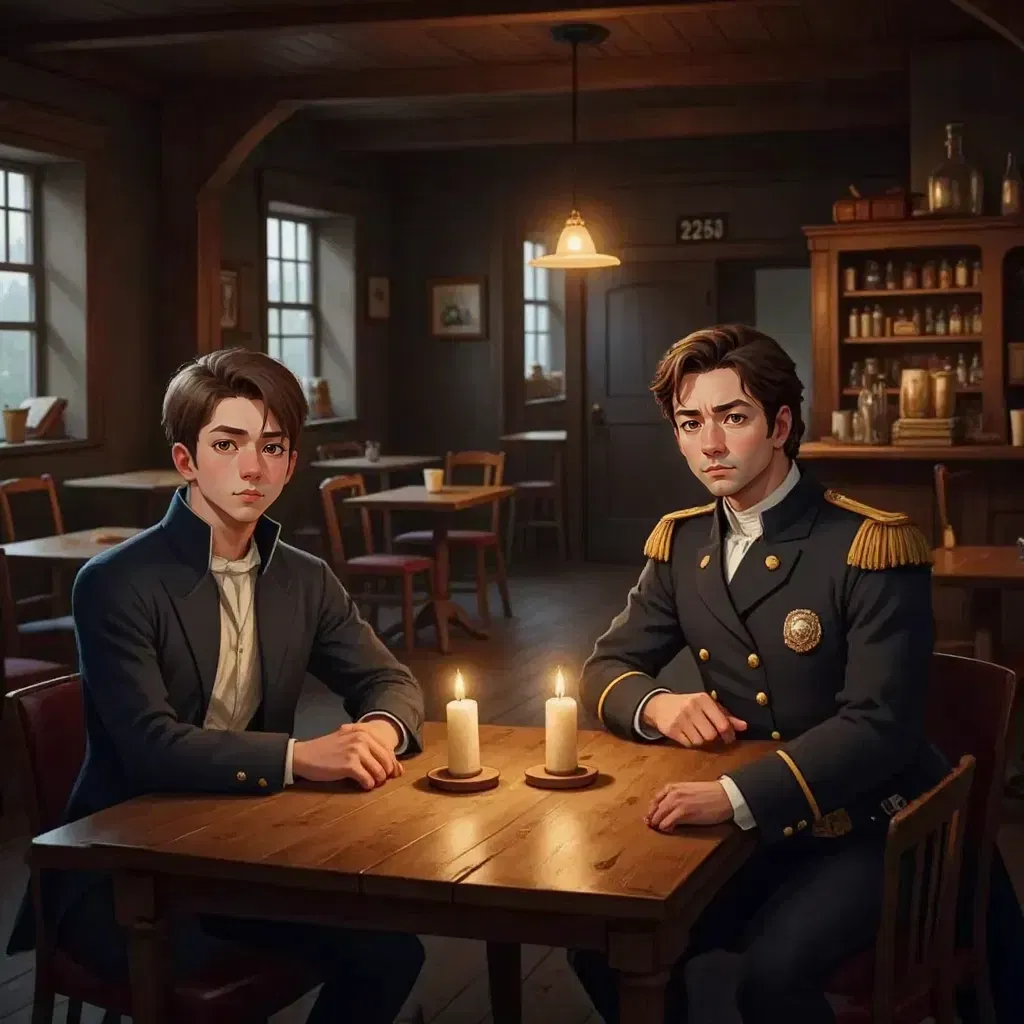
The Culper Spy Ring was a crucial intelligence network during the American Revolution, providing George Washington with vital information about British troop movements. Established in 1778 under Major Benjamin Tallmadge, the network operated in New York City with key figures like Abraham Woodhull, Austin Roe, Anna Strong, and Caleb Brewster. They used coded messages, invisible ink, and pseudonyms to protect their identities. At the same time, thousands of American prisoners endured horrific conditions aboard British prison ships like the Jersey, where overcrowding, disease, and starvation led to a death toll of 8,000 to 11,000. Austin Roe, a tavern keeper, acted as the principal messenger for the spy ring, while Anna Strong helped deliver messages using a clothesline signaling system. Meanwhile, British officials profited from the suffering of the prisoners by falsifying records. The Culper Spy Ring operated successfully for five years, with no spies ever being unmasked.

Thomas é um menino cristão e conservador e está muito ansioso para seu aniversário de 5 anos porque espera ganhar de seu avô uma bicicleta. Quando o dia chega, o avô, no entanto, apresenta uma brincadeira de caça ao tesouro em sua casa enorme e cheia de mistérios. Cada pista encontrada contém ensinamentos bíblicos e valores cristãos voltados para homens. E o pequeno Thomas, acompanhado de sua prima de 2 anos, Angelina e seu irmão de 1 ano e meio chamado Godofredo desvendam essa aventura juntos e se divertem muito com a brincadeira. O prêmio final era a Salvação de Cristo, o bem mais valioso de todos e todos ficam felizes. Depois, seu papai chega com a bicicleta que Thomas tanto queria ganhar

A boy is learning about feeling excitement and worry at the same time when having to face his fear of heights before he gets to go on an epic bike ride.

10 page really simple kids book about a girl named Ashley that lives in a small island village with her family. She has pet capybara that goes everywhere with her. One day she out around the island and she finds a green glowing gem. She grabbed the gem and wished to go visit a new place and suddenly she and her pet transported to Las Vegas. While being in Las Vegas she discovers a lot of new things she had never seen in her village. But when it came the time to go home she couldn't find a way to go home so she go on a adventure to find her way back home. After she found another green glowing gem she wished to go back home then the wish came true and she teleported back to her village with her family living happily ever after the end.

Entering High School: You're the "new kid" at a large high school. How do you make friends when everyone seems to already know each other?

Friendly volcano with a face and a smile

Leo sogna di viaggiare nello spazio. Un giorno lo viene a trovare Astro guidando un astronave. Viaggiare fra le costellazioni e visitano tutti i pianeti del sistema solare avendo 1000 avventure. Al ritorno a casa Leo saluta Astro con la promessa di rivedersi così Astro da a Leo un invito per viaggiare con lui su pianeti sconosciuti così iniziano una nuova avventura.

Thanksgiving preparations Eve. Making a big delicious turkey. Beautifully decorated house and table. Eve celebrate Thanksgiving. They greet family at the door. Describe their traditions - what they do on this day, etc.

Lucaca is sailing with his 3 goat friends, Zeh, Meh and Wehnear cliffs, under a bright sun.

Adam’s grandfather takes him fishing by the river. Adam struggles at first, but he learns patience and the art of catching fish. He realizes that nature provides for those who respect it.

The legend of St. Osyth Sighere, though sad, gave her land, By the sea, with golden sand. A nunnery she built with care, With other women, living there. But one day, Vikings sailed, Up the estuary, they railed. They raided, pillaged, without shame, And to Osyth's nunnery, they came. Osyth's head, they cruelly took, But wait, there's more to this book! She picked it up, and off she went, To warn the nuns, her message sent. Where she fell, a spring did flow, Healing waters, all aglow. Osyth's life on earth did end, But as a saint, her gifts descend. Worshipped, praised, through all the days, Her legend lives in many ways. A monastery stands so grand, In the place of Osyth's land.
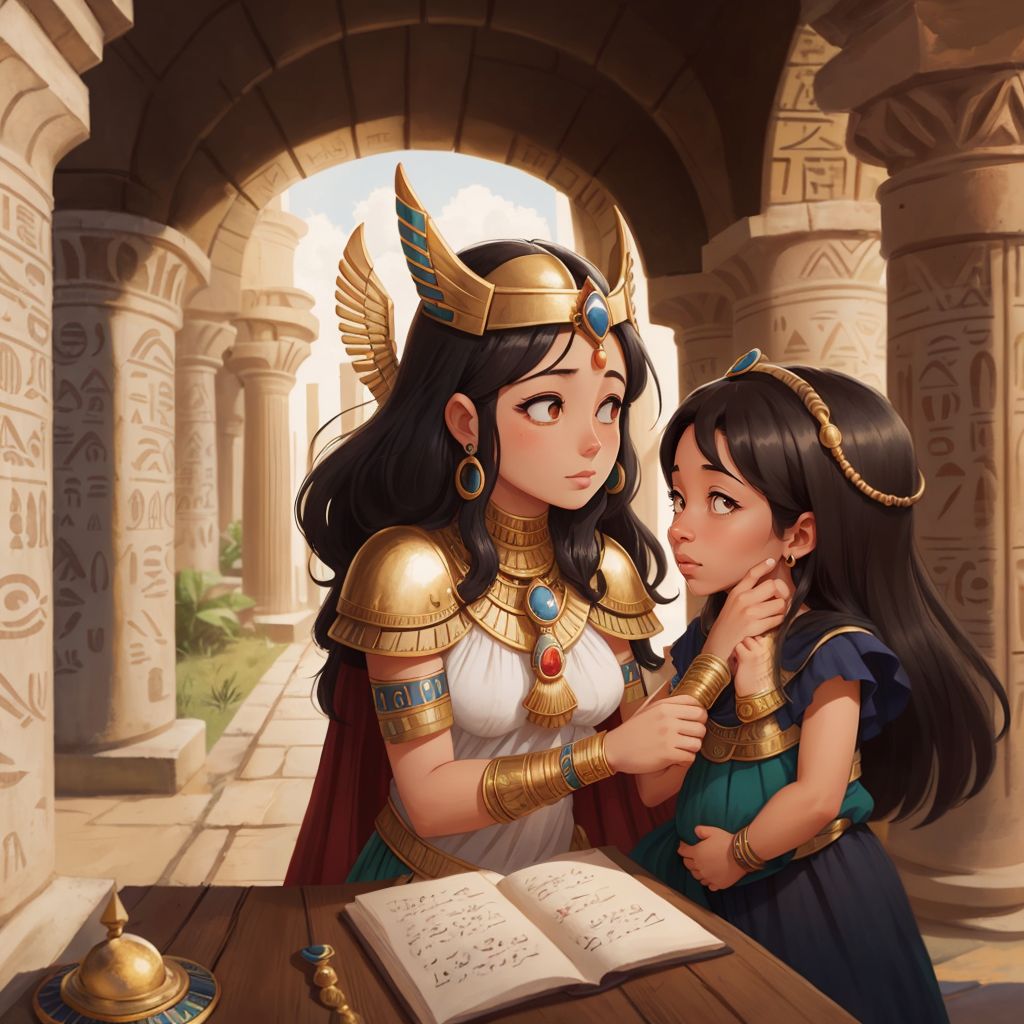
Isis was one of the most important deities in the ancient Egyptian pantheon, embodying key aspects of life, death, and resurrection. Her mythology was integral to the belief in the afterlife, the role of the Pharaohs, and the magic and healing practices of ancient Egypt. As a goddess of motherhood, magic, and wisdom, Isis influenced not only Egyptian religion but also had a lasting impact on other ancient cultures, becoming a powerful symbol of protection and transformation.

Mathias is a 4 year old mixed boy with Curly hair. He loves the color red. He has Autism and is non verbal. Mathias Loves the rain and water. He loves to jump, especially on his trampoline. He loves Burger King French fries and Mac and cheese. He loves to ride on his dads shoulders. and to give his mommy snuggles. He always has his Red Ipad with him. He loves to drink out of a red cup with a straw.

Ding Dong! The Big Ben ranged exactly 12 times,it’s midnight.On the border of Northern Ireland, there was a huge plane flying on top of it, in the plane, sat an 11 years old boy named Happy, he was here for summer holiday. Beside him, sat his mom Danni, who is watching a movie called “Space Dogs”on the tiny television in front of the seat,and dad who is snoring in the seat. They are here to visit their old friend. After,30 minutes, they had arrived at the airport and have already started waiting for luggages. On the big television, it was reporting about the big church of Jesus that has been burnt into scraps in Paris. Finally, their luggage's has come and been pulled into the car that’s waiting for the family. Then the driver said "First stop, London Bridge!” Ding Dong!There’s the Big Ben again,it’s 5am in the morning and the family was right on the London Bridge, the sun rises as they went past the bridge. there was an earth quake and big ben came down

a young girl discovered a magical tree and stands up to a monster

An earthquake in the central U.S. reveals the framework of an ancient civilization far beneath the surface. As archeologists dig, they realize they’re unearthing skyscrapers.