

Recommend

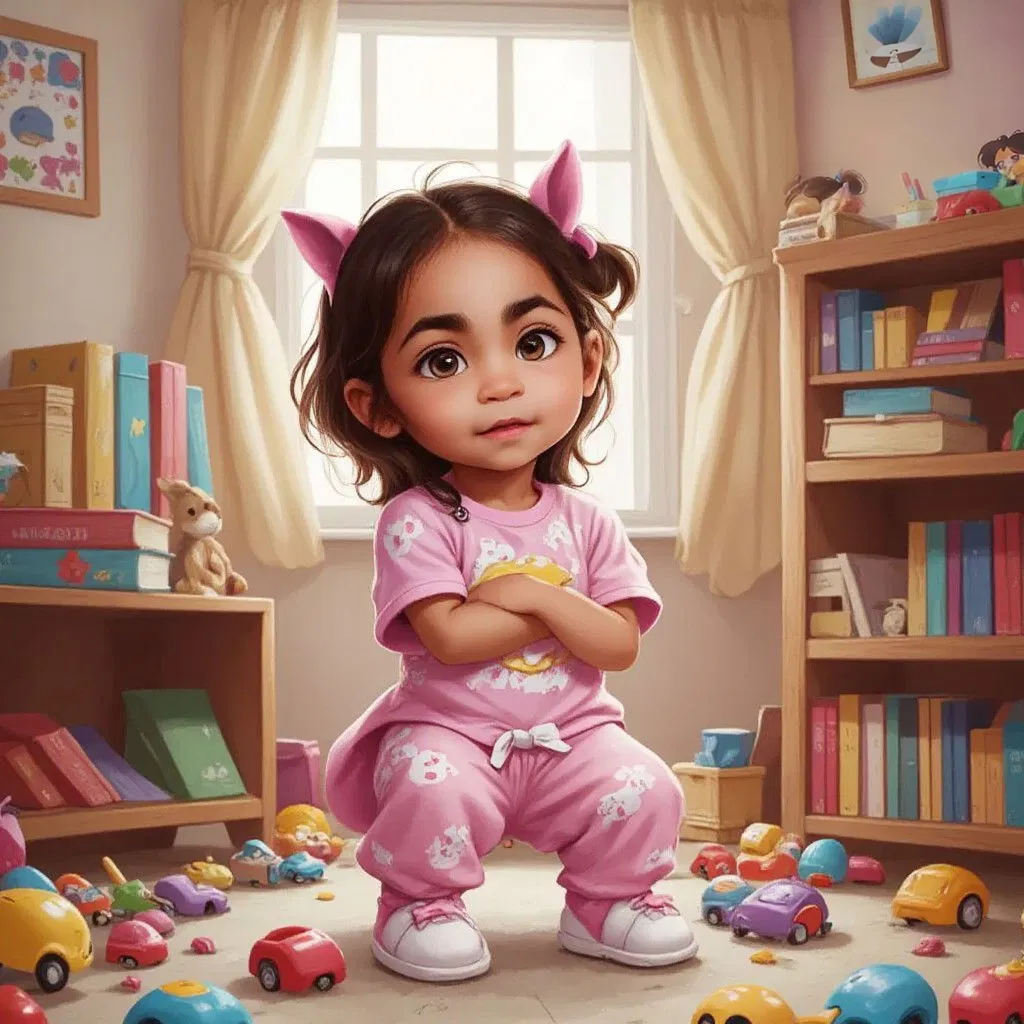
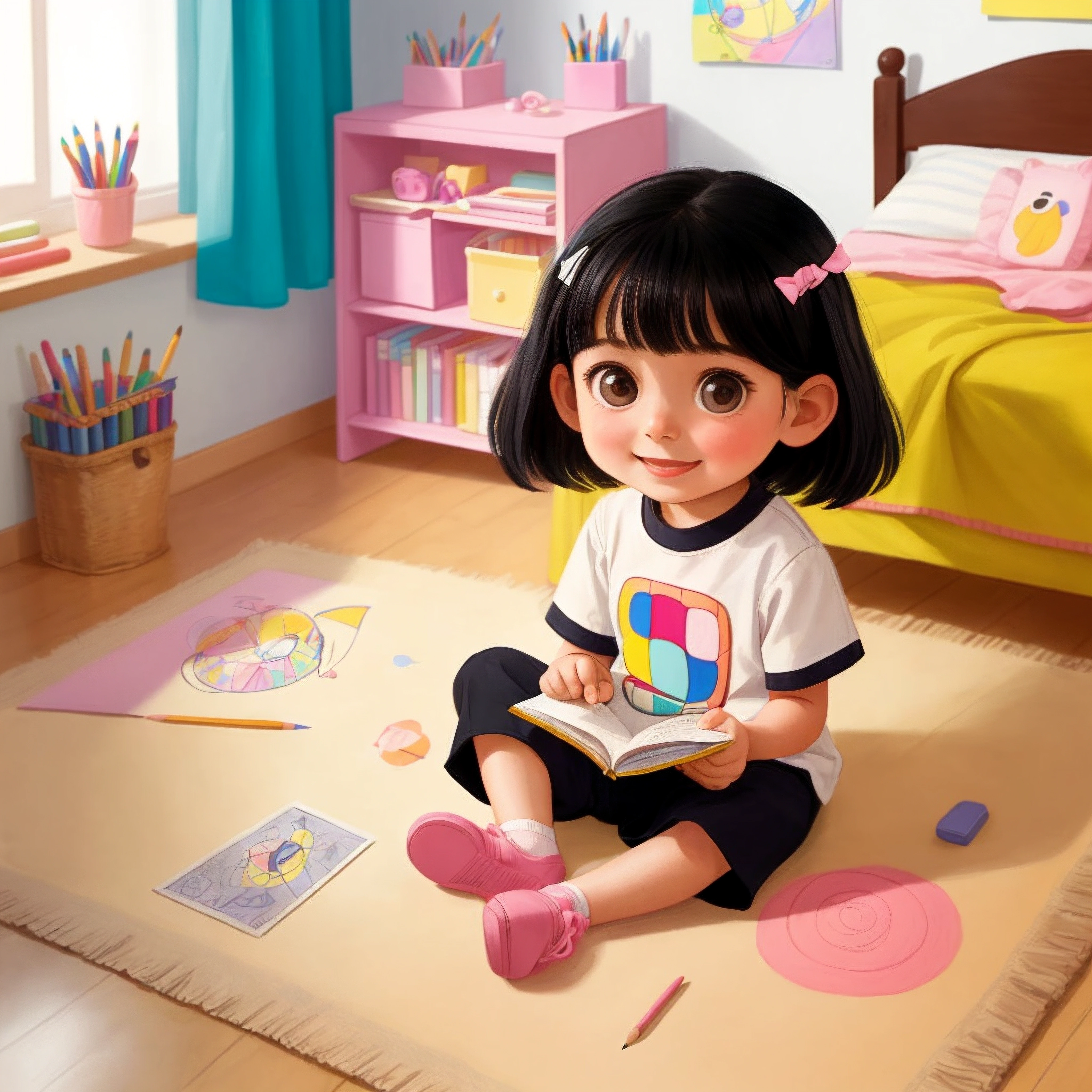
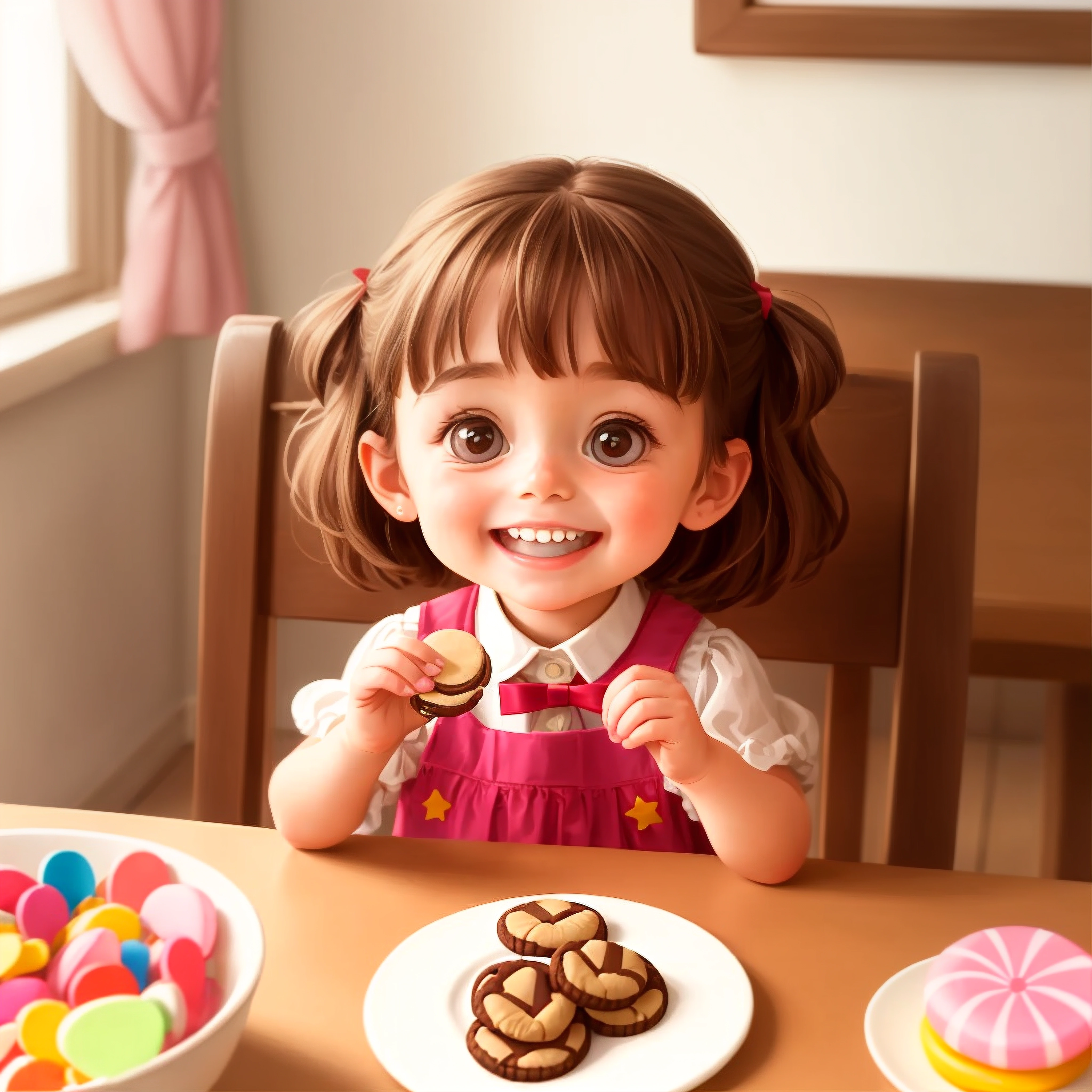
it was the first day before school started for 6 year old Cassie Brown and she was very excited. She was going to be a first grader. She wanted to take he black bear to school for comfort

### **Story Outline: "The Wisdom of the Baobab Tree"** **1. Introduction:** - **Setting:** African village, sunny day, Dante (young boy) and Fortoya (older sister) playing. - **Baobab Tree:** The massive, ancient tree in the center of the village fascinates the children. - **Dante’s Wish:** Dante stretches his arms wide, hoping to hug the giant tree, but can’t reach. **2. Fortoya’s Attempt:** - **Fortoya Tries:** Fortoya opens her arms wide, but like Dante, she cannot hug the tree either. - **Wondering Together:** The siblings ask each other how they could possibly hug such a giant tree. **3. Grandma Arrives:** - **Grandma’s Wisdom:** Their grandmother walks by with a kind smile, sits near the tree, and listens to their dilemma. - **Teaching Moment:** Grandma explains that the tree is like wisdom—too big for one person to hold alone, but something we can all share. **4. Wisdom Like a Tree:** - **Curiosity:** Dante asks how wisdom can be like the tree. - **Grandma’s Explanation:** Grandma explains that wisdom grows over time and is passed down, just like the baobab has stood tall for generations. "We need many people to embrace it." **5. Gathering Friends:** - **Dante’s Idea:** Excited, Dante suggests gathering their friends to help "hug" the tree. - **Action:** The siblings gather their village friends, and together they hold hands, encircling the tree. **6. Group Hug & Realization:** - **Unity:** The children and their friends finally manage to "hug" the tree by working together. - **Grandma’s Message:** Grandma reminds them that wisdom is like this tree—when we share it, we grow together. **7. Conclusion:** - **Gratitude:** Dante and Fortoya look up at the baobab, realizing the importance of sharing wisdom and learning with others. - **Final Reflection:** They understand that, just like the tree, they will continue to grow and learn with the help of their community and friends.

1. John Jr and Hopsi wanted to know more about the virtue of Justice. They went to Granny's house to have her explain it's meaning. 2. Granny told John Jr and Hopsi that Justice means giving to each his own it involves treating everyone as they deserve to be treated and granting people the things they are entitled to without discrimination or preference. She said it trying to be fair with everyone. Granny explained that the quality of being morally just – is the most important quality because it is only through the application of justice that freedom, happiness and truth can exist. 3. Granny also gave John Jr and Hopsi a better Understanding what unfairness, prejudice, and oppression look like 4. John Jr and Hopsi went home and started practicing Justice. They treated all their friends the same. 5. John Jr and Hopsi practiced Showing respect even when they disagree with someone else’s words or behavior

كانت هناك فتاة صغيرة ، كان عمرها 3سنوات ، كان شعرها لونه بني فاتح ، وعينها لونهن أخضر ، وكانت تعيش مع والديها ، ولبسها كان لونه احمر .

a Guyanese tale of children playing cricket

Once upon a time there were three sisters. The first sister was very tall and strong. Her name was Corn Girl. She wore a pale green dress and had long yellow hair that blew in the wind. Corn Girl liked to stand straight and tall, but the hot sun burned her feet and hurt her. The longer she stood in her field, the hungrier she got. Weeds were growing around her and choking her. The second sister, Bean Girl, was thin and quick. But Bean Girl was not very strong. She couldn’t stand up. She was good at making food, but she was always dirty and wet because she had to lie on the ground. The third sister, Squash Girl, was short and wide. She wore a yellow dress. She was hungry, too. For a long time, the sisters didn’t get along. They each wanted to be independent and free. So Corn Girl stood there with her sunburned feet and got hungrier and hungrier. And Bean Girl lay there on the ground and got dirtier and wetter. And the little short sister, Squash Girl, was hungry, too. One day Bean Girl asked Corn Girl, “What if I feed you some good food, and you can hold me up so I don’t have to lie on the ground?” Then little Squash Girl called up to her tall sister, “What if I lie on your feet and shade them so you won’t get sunburned?” So the Three Sisters learned to work together, so that everyone would be healthier and happier. Corn Girl helped Bean Girl stand up. Bean Girl fed Corn Girl and Squash Girl good food. And Squash Girl shaded Corn Girl’s feet and kept the weeds from growing up around them.

Grumpy don always yells .

Brooklyn and Logan are transported by Santa Claus to a land of robot dinosaurs. Turns out robot dinosaurs love Christmas too. Their dad was there helping to build new robot dinosaurs so they could have bigger and better adventures. They encounter some adversity and triumph in the end. Brooklyn Logan and their father celebrate with Santa and the robot dinosaurs.

This story is about an 8 year old boy called Kwan who has behaviour issues and school and often gets into trouble for hitting other students. If he is accidentally pushed, he will push or hit back. If something happens that he doesn't like, he will react the same. Despite teachers trying to help him to understand that this is not appropriate behaviour, Kwan finally understands that he he wants to be accepted and have positive relationships with the other students he must keep his hands off others, and treat them with kindness and respect.

BENITO FUE UN PERRO ADOPTADO POR ELIA

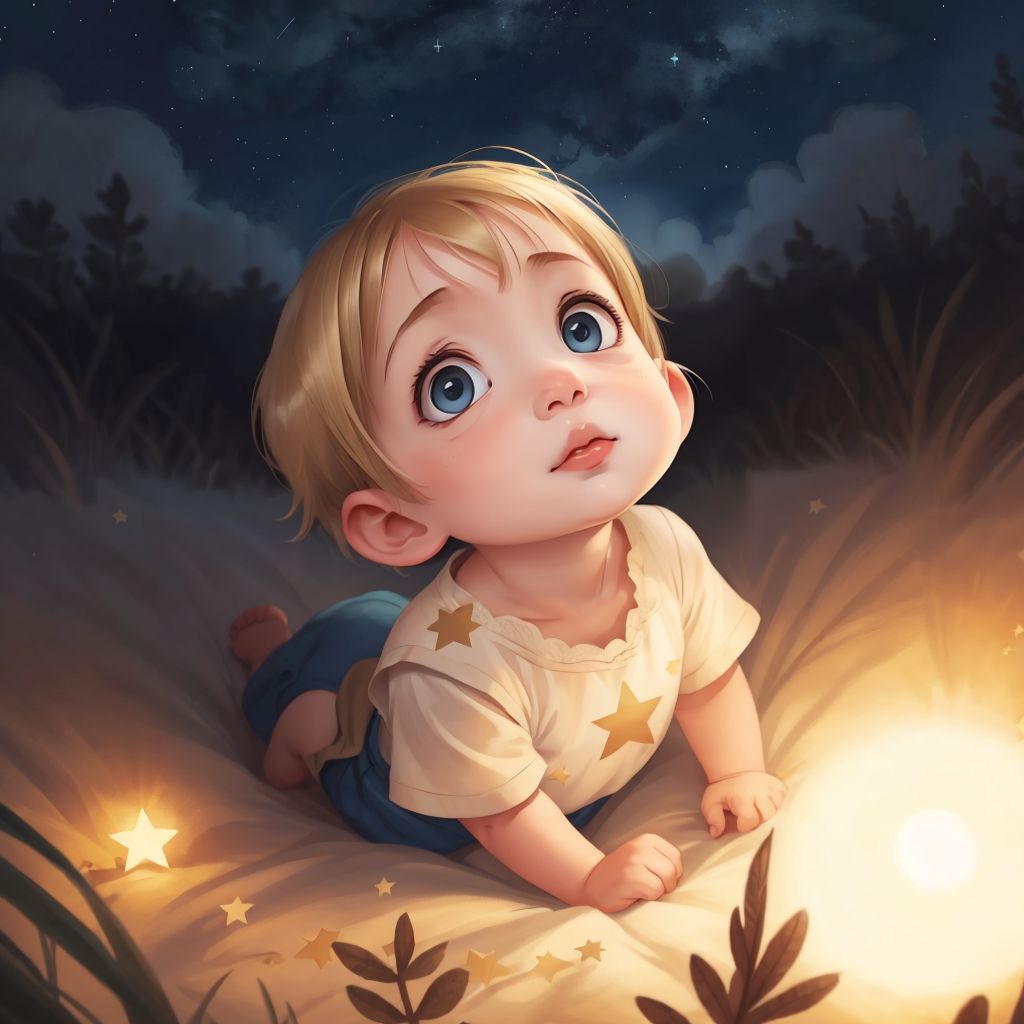
A brother and sister going through their day trying new things like, dancing, painting, baking and even though they weren’t perfect they still had fun. They learned in the end sitting under a tree in there back yard and looking at the stars. We are all wonderfully made and enough just the way we are

Charles Dickens, the renowned English author of *A Tale of Two Cities*, lived during the Victorian era and was considered a social reformer. As a reformer, Dickens sought to address the societal issues of his time through his writing. He wrote *A Tale of Two Cities* as a cautionary tale, highlighting the mistakes the English government was repeating—similar to those made by the French government prior to the French Revolution. His purpose was to warn his country against the potential chaos that could arise from these mistakes.

Girl has an amazing unexpected Christmas adventure in the town of Skegness in England

A young girl, an immigrant from Venezuela, faces her fears as she moves to a new country. With determination, she learns a new language and embraces a different culture, discovering friendship and courage along the way. Through small challenges and joyful moments, she realizes that home is not just a place, but a feeling of belonging.

1. The Birth of a Tail (Start) Start with a short, meaningless tail at first. The tail symbolizes "anxiety in me," setting it to begin with a little childhood fear or anxious feelings. The short tail gradually turns into something that bothers me. Example: "At first the tail was small and cute. No one cared, and I thought so. But over time the tail turned long, heavy and sharp, eating the fear and anxiety inside me." 2. the growth of anxiety (in the middle) As the tail eats through my experiences and trauma(eg not being able to meet my parents expectations or my parents fighting and almost devours, mom gaslighting me), it gets longer more complicated. Tails cover me or follow me and bully me. There are disturbing figures sprouting from the tail, or the tail tying me up. Example: "The tail remembered all the hurt and trauma I went through. The bullying at school, the fear of failure, and the moments when I couldn't accept myself. All these memories made the tail heavy and long." 3. a confrontation with the tail (the climax) The moment I realize that the tail is part of me. I want to take the tail off, but it's already completely stuck as part of my body. The more I try to get rid of the tail, the stronger it reacts and harasses me. Example: "I tried to pull the tail off. But it was my flesh and bone. I couldn't pull it off, but rather the tail tightened me even more. The more I fought to get rid of the tail, the more and more I was tied to it. Endless Anxiety: A tragic ending with a tail growing endlessly and completely covering me. Example: "I eventually decided to talk to the tail face to face. 'You are a part of me. But I can control you.' At that moment the tail stopped little by little, and became lighter." Or: "The tail grew endlessly. My memory, anxiety, pain couldn't stop the tail. And I ended up being swallowed by the tail."

Eliza learns about art, she admires a beautiful exhibition of paintings in an art gallery, there are paintings and sculptures Abstract, Figurative, Hyperrealistic, Minimalist, Expressionist. Then she admires wonderful tenement houses and architecture, looks at the details, beautifully carved elements in architecture. She also enters a church, raises her head and sees wonderful frescoes. Eliza also admires modern art - very interesting murals and graffiti. She also decides to see an exhibition of wonderful photos and appreciates the artistry of photographers. She deals with art every day and appreciates it in every building, painting, photo, music and literature.

Quando o Irmão Mais Velho Tem Medo: Pedrinho e a Chegada da Irmãzinha é um livro encantador que aborda os desafios emocionais enfrentados por uma criança ao se tornar irmão mais velho. Escrito com uma linguagem simples e acessível, ideal para crianças pequenas, este conto captura as ansiedades de Pedrinho, que aos 3 anos descobre que sua vida está prestes a mudar com a chegada de sua irmãzinha, Sofia. Ao longo da história, Pedrinho enfrenta o medo de perder a atenção e o carinho dos pais. Ele se sente inseguro e começa a imaginar que sua importância na família pode diminuir. Como ele lidará com esses sentimentos? Será que o amor dos pais será o mesmo? Este livro é uma excelente ferramenta para pais que querem ajudar seus filhos a lidar com o ciúme e a insegurança em relação a um novo irmão. Através de um enredo sensível e realista, as crianças poderão se identificar com as emoções de Pedrinho e perceber que o amor da família não diminui — ele cresce! Principais temas do livro: O ciúme do primeiro filho com a chegada do segundo Insegurança e medos típicos das crianças pequenas O fortalecimento dos laços familiares e o amor que se expande Indicado para crianças a partir de 3 anos, especialmente para aquelas que estão prestes a ganhar um irmão ou irmã. Uma leitura ideal para pais e filhos compartilharem, proporcionando momentos de reflexão e aconchego familiar. Este livro não é apenas uma história, mas uma forma de ajudar os pequenos a entender e processar suas emoções durante uma fase de grande mudança!

1: Yujin, the idol singer, transfers to Sophia's school, and Sophia introduces herself during lunch. 2: Sophia and Yujin visit a café where they practice English phrases together. 3: Yujin and Sophia prepare for a choir competition together, practicing singing and ordering drinks. 4: Yujin and Sophia win the choir competition, celebrate at the café, and reflect on their growing friendship.

1. A happy little girl named embarking on an adventure to lisbon with her spunky dog ariel 2. Nina and Ariel playing together in the cobblestone streets of Lisbon 3. Nina and Ariel cheerfully riding the tram together through the colorful city of lisbon 4. Nina and ariel laughing and eating Portuguese ham in lisbon 5. nina and ariel cheering and waving from the castle in Sintra Portugal 6. Nina and ariel eating pastel de nata and other sweets while giggling in a pasteleria 7. Nina and Ariel playing fado music in the colorful alleys of lisbon 8. Nina playing with ariel her dog in the plaza in Lisbon 9. Nina and Ariel happily overlooking the bridge in lisbon Portugal 10. Nina the little girl hugging her dog ariel happily, while watching the sunset in lisbon.

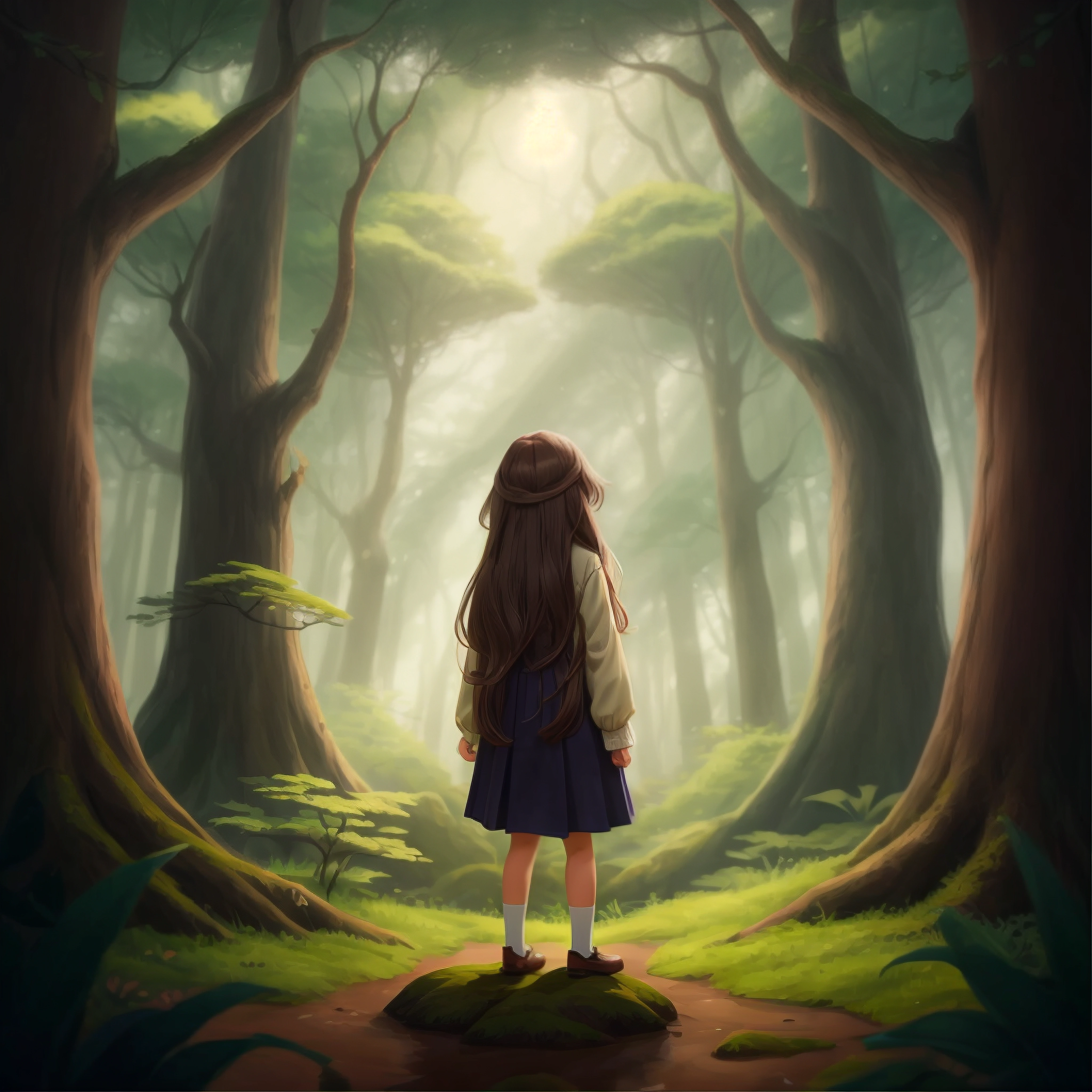
once a girl walked into a dark foresst. she heard a loud horror sound. she turned around and saw nothing.