
 Start Read
 Recommend

A Journey to Inner Freedom

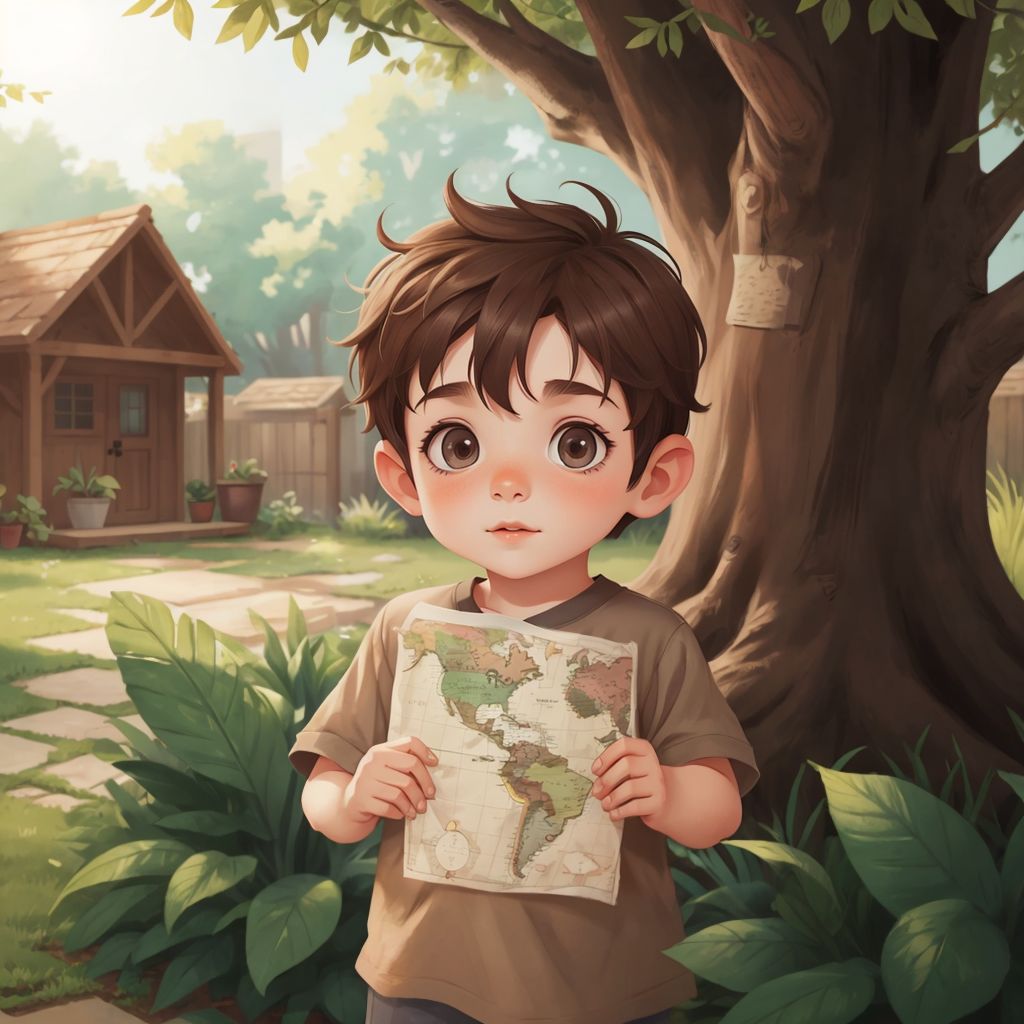
Mama and dada love decorating their house for Christmas, and eventually the whole town comes to see their beautifully decorated home.
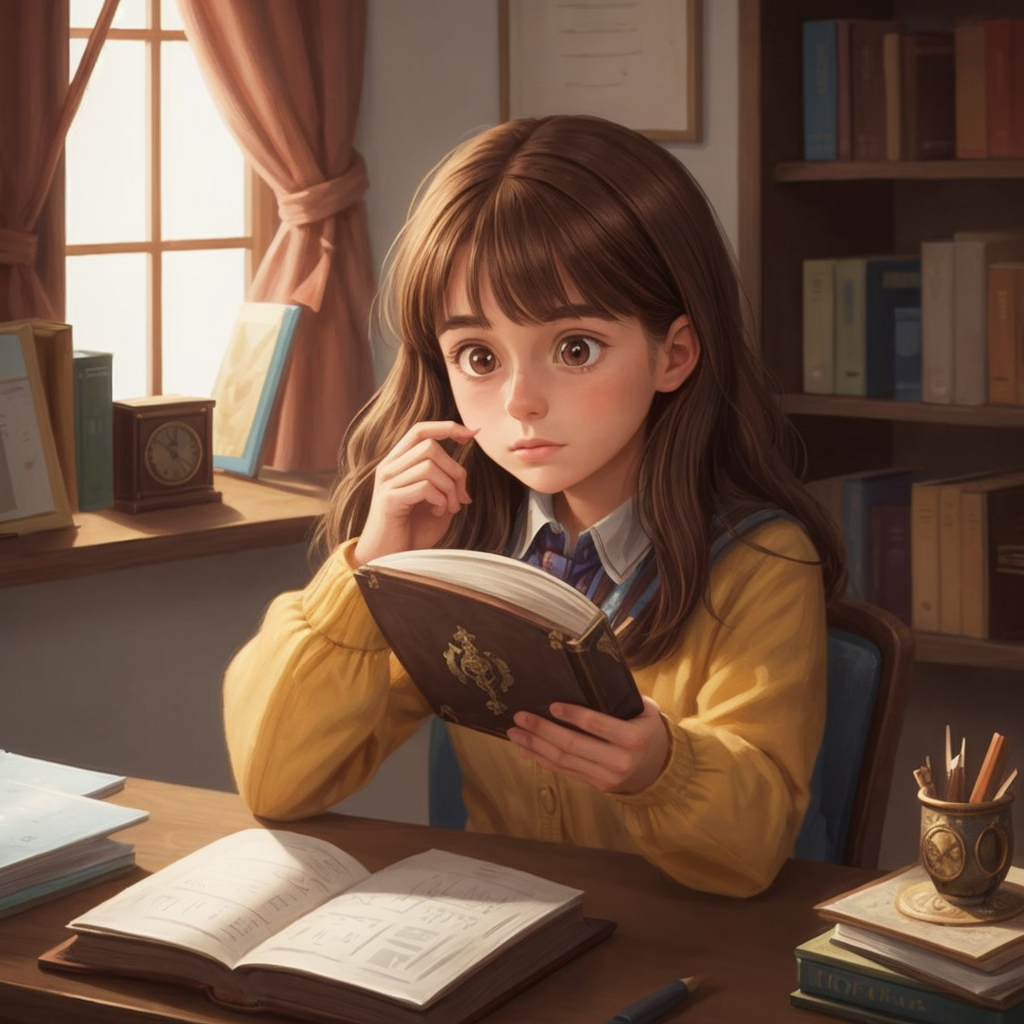
Sharon's just trying to figure out this book. Mrs Smith, her friend, gave her the mission to figure it out so the class can do it too.

Paulo, a little boy who learned at school the importance of saving energy. He noticed that there were always lights on in his street. When he grew up, he became the mayor of the city, and with the city's key, he turned off all the lights during the day, saving enough money to renovate the schools.
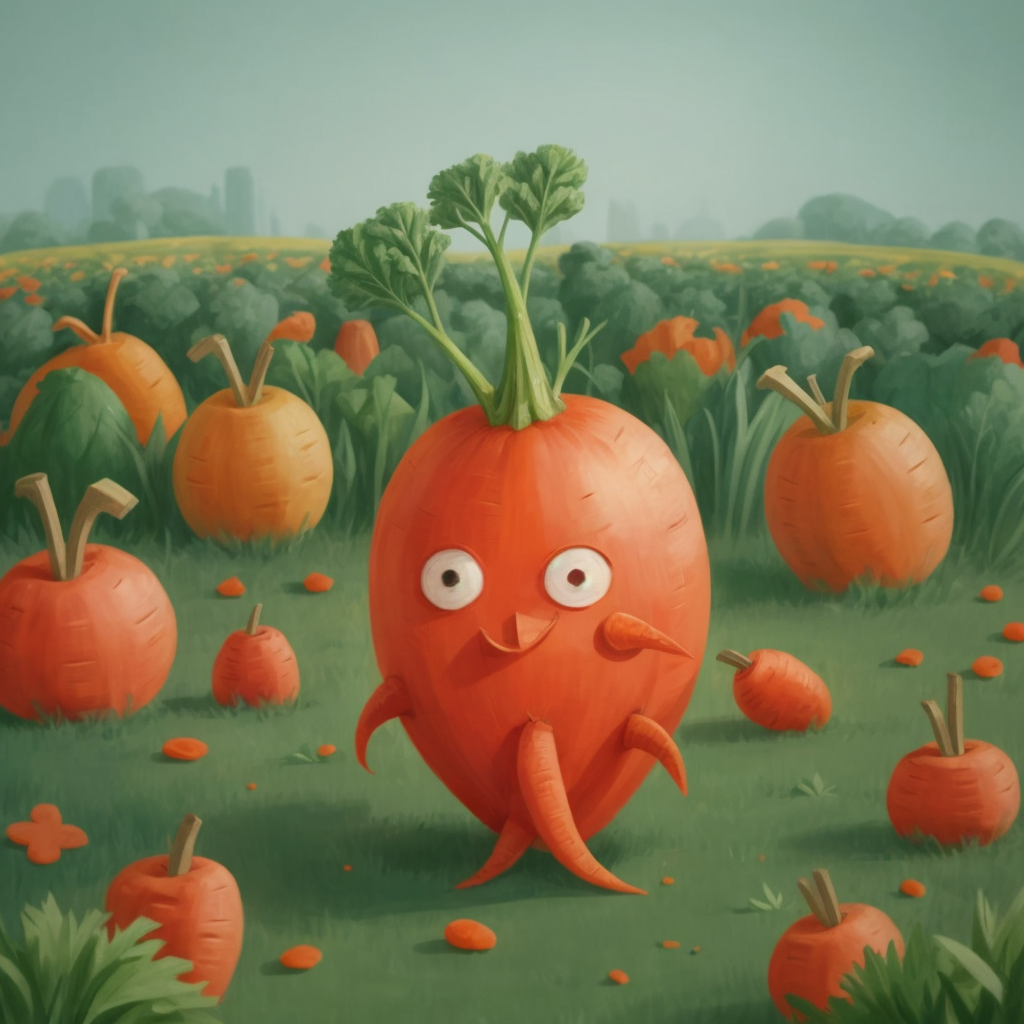
1. Carrot looks different from everybody else 2. Carrot gets bullied for being ugly 3. Another normal carrot steps up and becomes his friend

Luna the Bunny is on an adventure to dreamland to find peaceful sleep. She runs across her friend the moon who talks to her and helps her find a way to peaceful slumber. Moon shares her sweet secret hypnotic words of sleep that help Luna Bunny fall fast asleep.
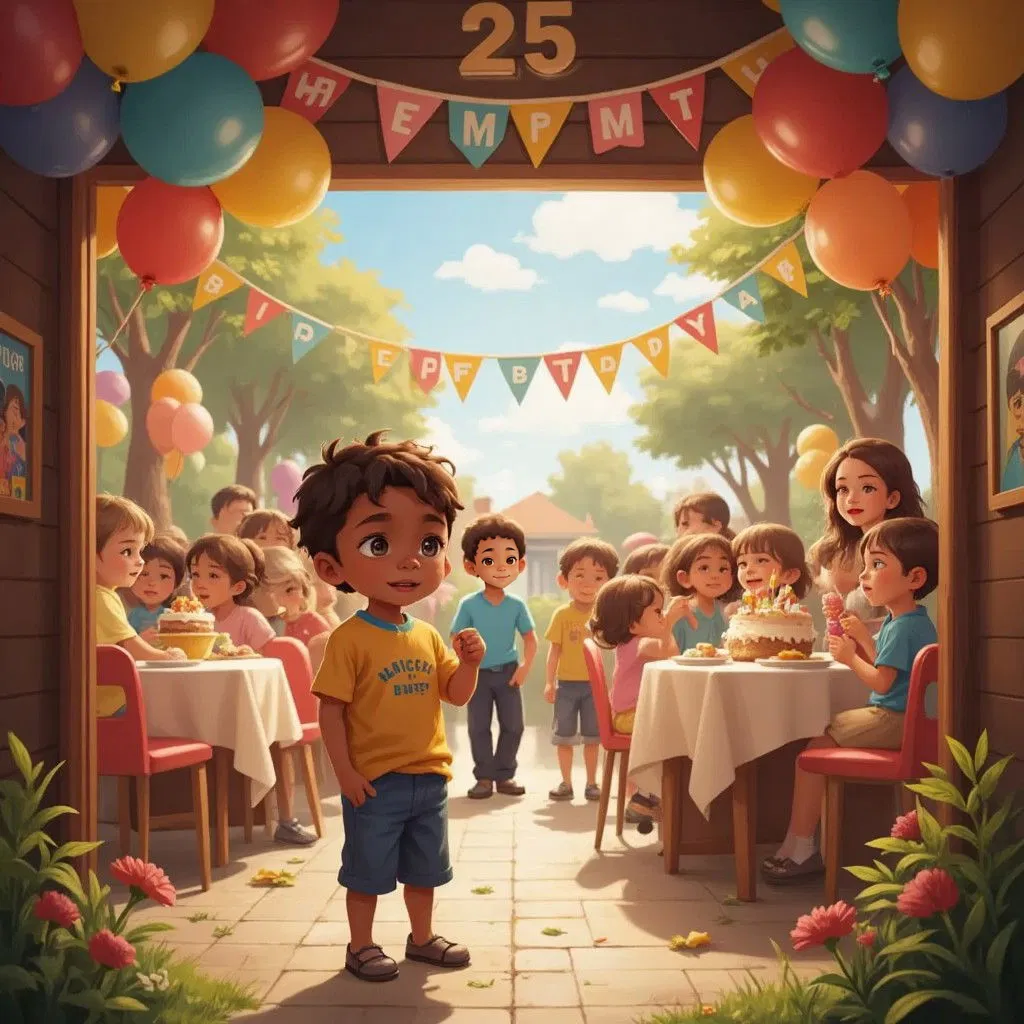
Casey is an 8 year old boy who longs to fit in. As he grows older, he notices he is not like the other children and wonders why he is so sensitive in comparison to others around him. Casey begins a journey of of self discovery as he gets to know himself better and realises being different is his strength!

1.The husband's name is Gerard Honeyflow and his wife is Sherry Honeyflow.It is Christmas Eve,and they are both at their respective Christmas Office Parties.So Gerard has returned home first to find his wife.Gerard is very tired, he will write his wife a letter rather than to wait for her to return.He writes his wife a letter. The letter Gerard has written, invites Sherry to taste some “Spirit”. But he means the “Spirit of God” not alcohol.Sherry returns home but can hardly place her key in their front door-lock.Sherry goes over to the fridge and notices her husband's letter.But when his wife reads the letter from her husband she thinks he is talking about a bottle of Champagne “spirit”, not “the Spirit of God”.Then, she immediately starts searching for the bottle of Champagne.She shouts at the top of her lungs,"GERARD, WHERE'S MY BUBBLY?"Sherry looks all over the kitchen-counters but she cannot find the bottle of Champagne;she shouts,"GERARD, WHERE'S MY BOTTLE OF BUBBLY YOU PROMISED?"
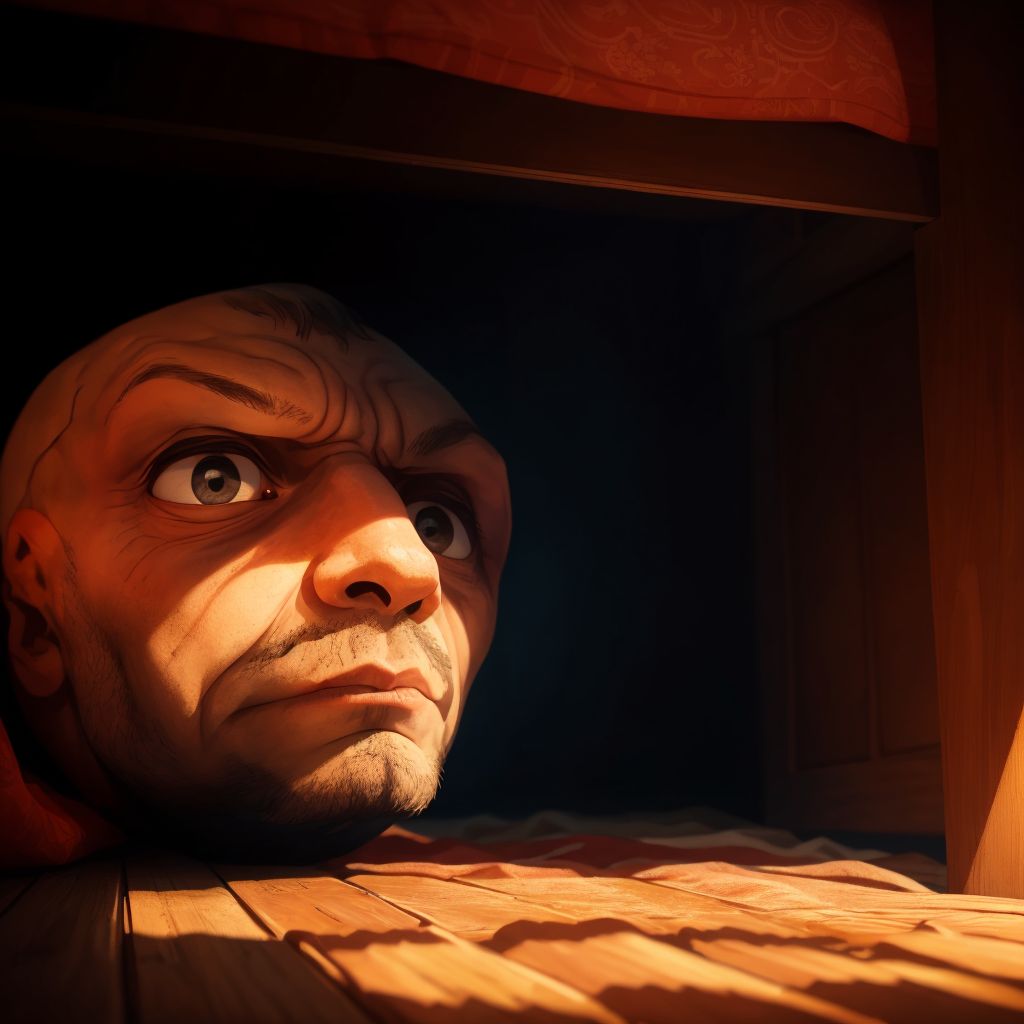
Bir gün Atlas, British cinsi kahve tüylü kedisi Latte'yi her zamanki gibi pencerenin önünde bulamamış. Bütün odaları dolaşmış, bahçeye bakmış, ancak sevimli kedisini bulamamış. Atlas, dışarı çıkıp aramaya başlamış. Tam o sırada yaşlı çınar ağacının tepesinde, Latte'nin sevimli yüzünü görmüş. Atlas hemen, bir merdiven bulmak için evine koşmuş. Ancak, eve varmadan karşısına çıkan minik bir peri, elindeki sihirli değneği uzatmış. "Merhaba Atlas! Ben Bahar perisiyim. Gökkuşağı Ormanı'na gitmeli ve oradaki Gökkuşağı Çiçeği'ni bulmalısın. Bu çiçeği alıp geri dönersen, sihirli gücümü kullanarak kedin Latte'yi kurtarabilirim," demiş. Atlas, Gökkuşağı Ormanı'na doğru yola çıkmış. Yol boyunca engelleri aşmış, büyülü hayvanlarla arkadaş olmuş ve sonunda çiçeği bulmuş. Elindeki parlak çiçekle geri dönen Atlas, Bahar perisine çiçeği uzatmış ve Latte’yi kurtarmış.

After having a sad birthday party Andy couldn't imagine he would have such a beautiful treasure box for his whole life.
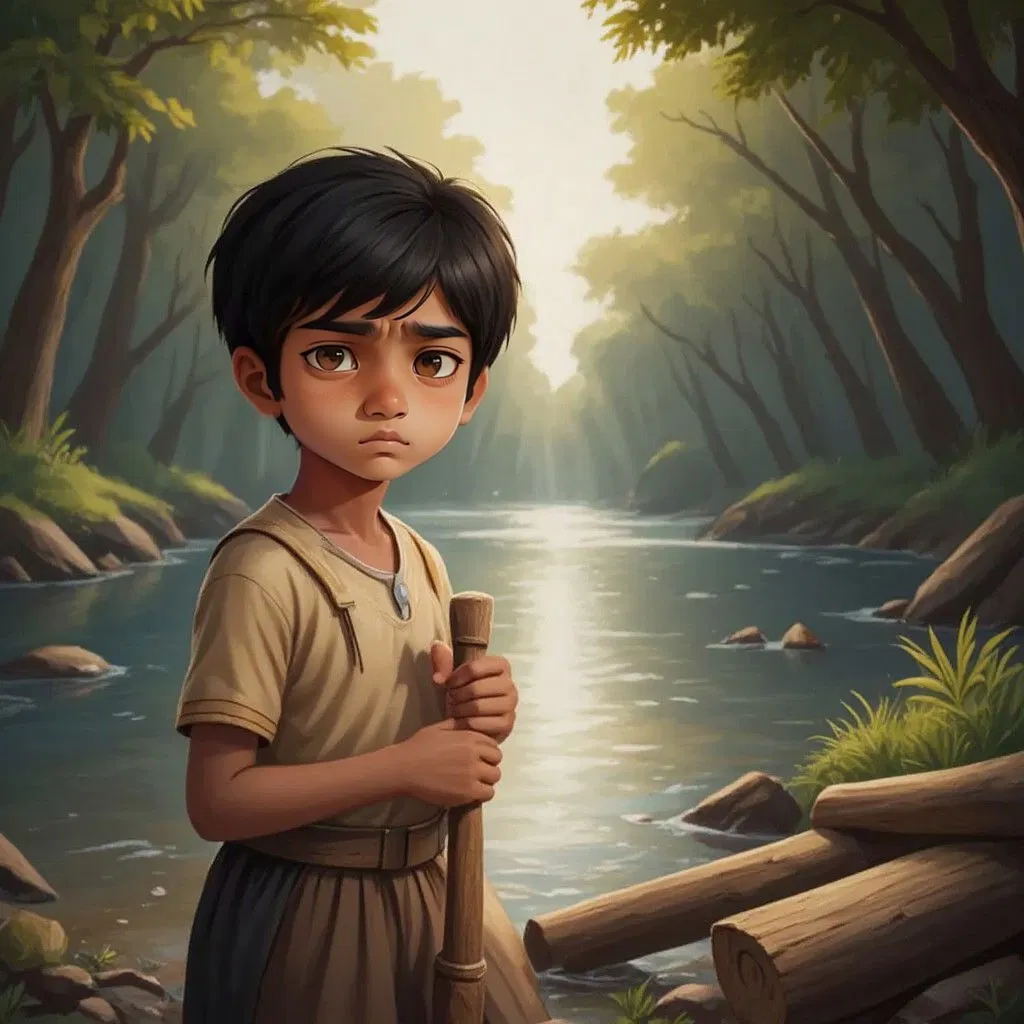
A poor woodcutter loses his axe in a river. When a fairy offers him a golden and a silver axe instead, he refuses and insists on having his own. The fairy rewards his honesty by giving him all three axes.

Two wolf pups are frightened by a storm but their dad tells them that God will always be with them and they are at peace once more.

Nouf’s mother asks her to pour coffee for five guests. Nouf is nervous but begins counting as she pours: one, two, three. She accidentally spills the third cup. Nouf’s mother reassures her, and Nouf cleans up the spill. She continues pouring and counts carefully: four, five. Nouf successfully serves all the guests and learns to stay calm after making a mistake.

Jimmy the snail is the best skateboarding snail Jimmy the Snail was obsessed with grinding on rails His friends stopped wanting to hang out with him because he only talked about skateboarding on rails Eventually he stops only talking about how good of a skateboarder he is and becomes a good friend again
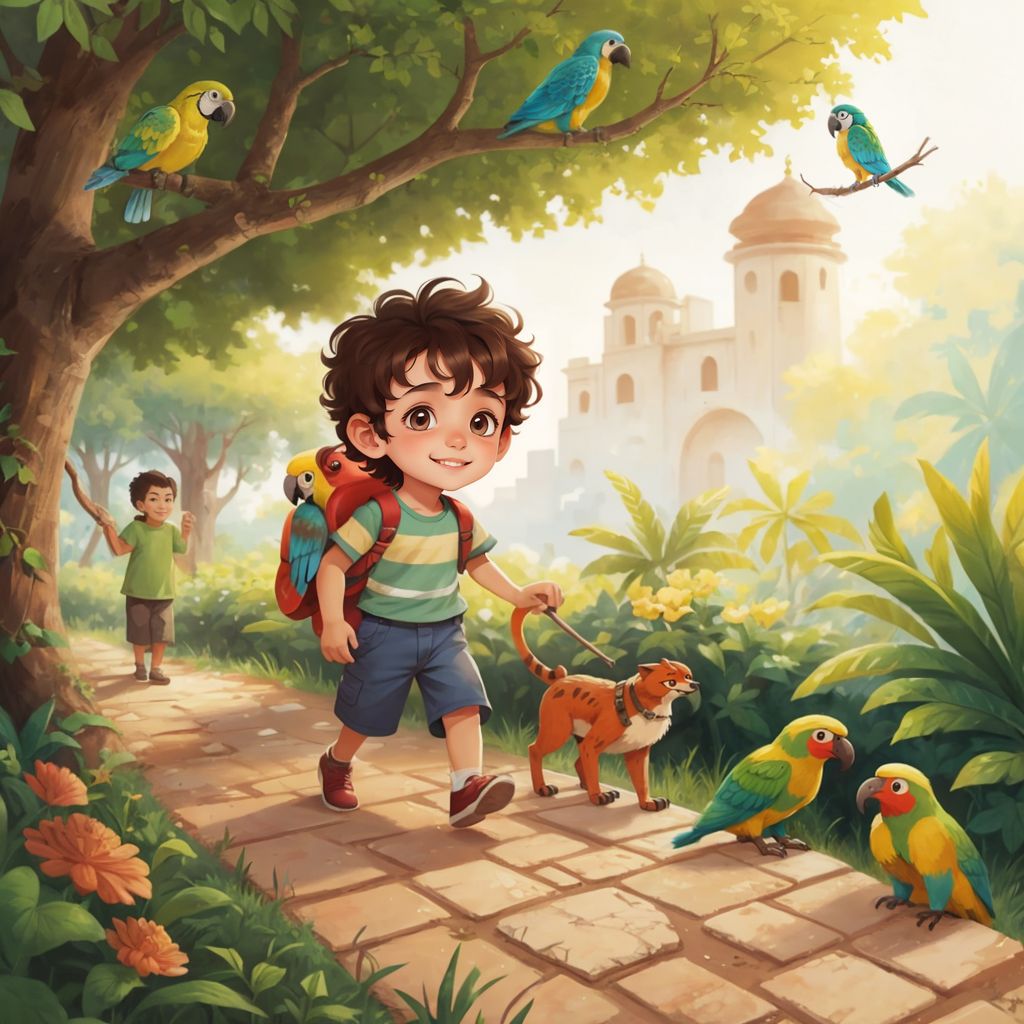
Join Adi on a magical journey to school in the heart of India! In ‘Adi Goes to School,’ children will embark on a colorful adventure through the bustling streets of India as Adi takes his daily walk to school. Along the way, Adi encounters friendly neighbors, curious animals, and vibrant sights and sounds that make every day an exciting adventure. This beautifully illustrated children’s book captures the joy, curiosity, and wonder of Adi’s daily routine, making it a delightful read for kids of all ages. Explore the enchanting world of India with Adi and discover the magic that awaits on the path to knowledge!
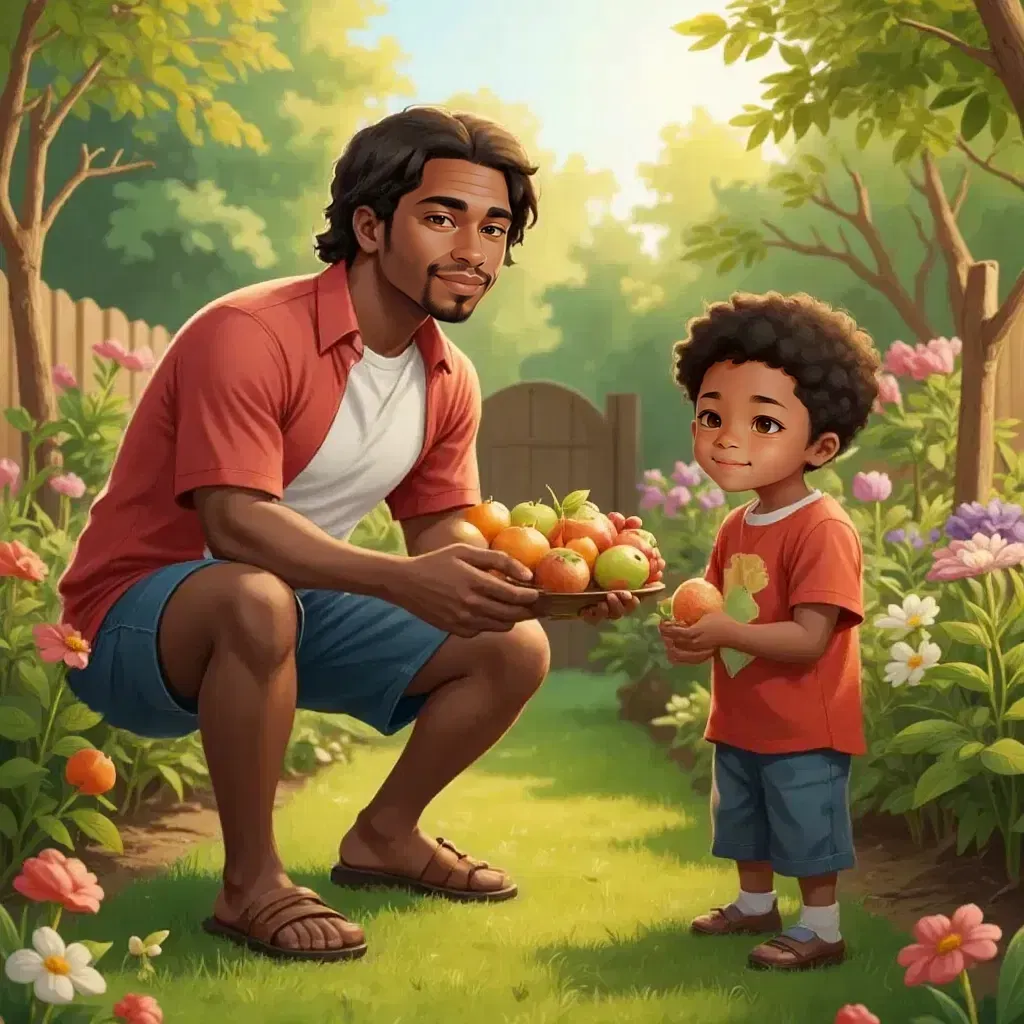
Adam showing all the fruits in his garden. 2) Eve watering the garden 3) children eating
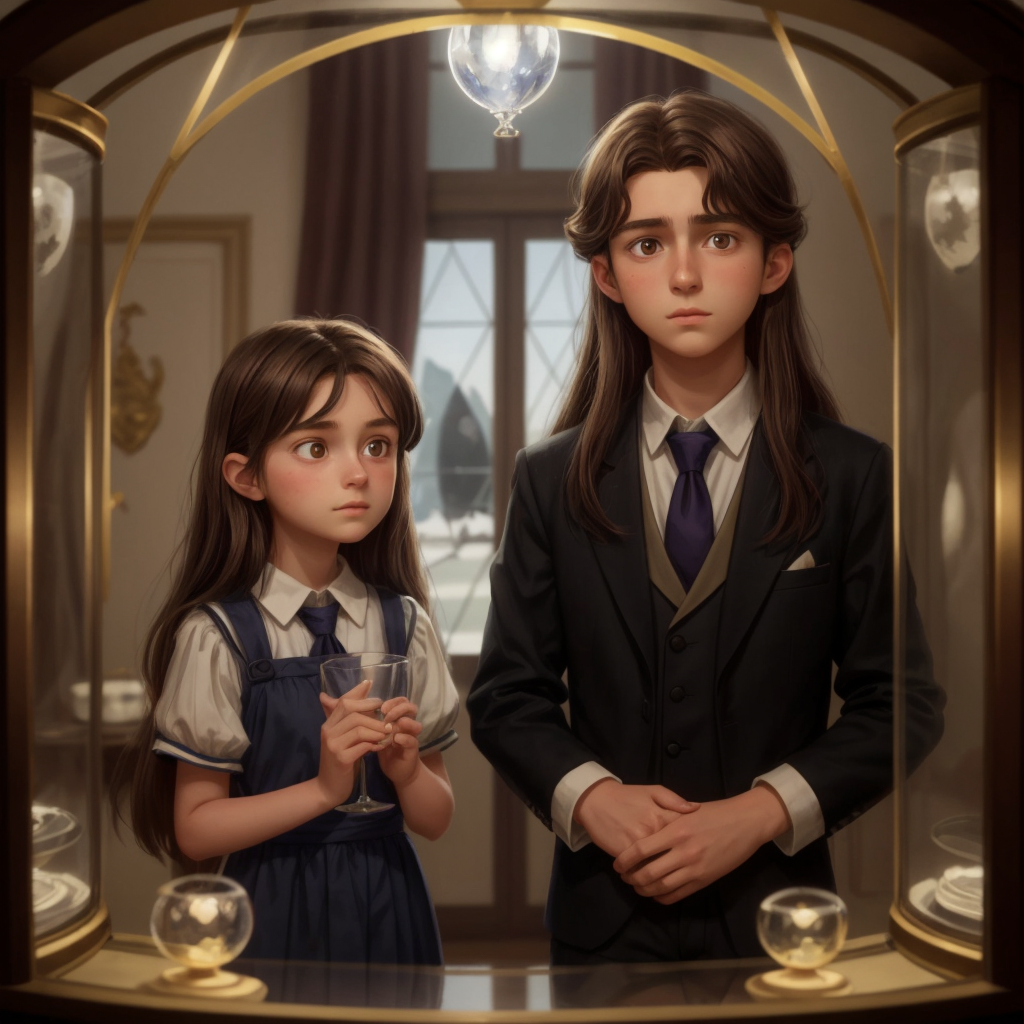
Gal and alex are tasked to solve a mystery with some of their friends. Someone has stolen the hope diamond from the museum in Washington DC. Gal and slex and their friends set out to find clues sbout who could have done such a thing. The hope diamond a very rare diamond which also happens to be cursed was stolen from the Smithsonian museum one afternoon. The only clues left behind by the thief was a fingerprint on the diamonds Glass case and a hair found at the scene of the crime. Gal and slex snd their friends either the help of police tested the fingerprint and hair with the help of the forensics team. They got a hit! There was a local thief in the area who had been stealing diamonds from jewelery stores leaving behind the same evidence at his crime scenes. With the help of their friends and the police gal and Alex were able to Crack the crime and police arrested and caught the bad guy and put him in jail. You'll never get away with doing bad things
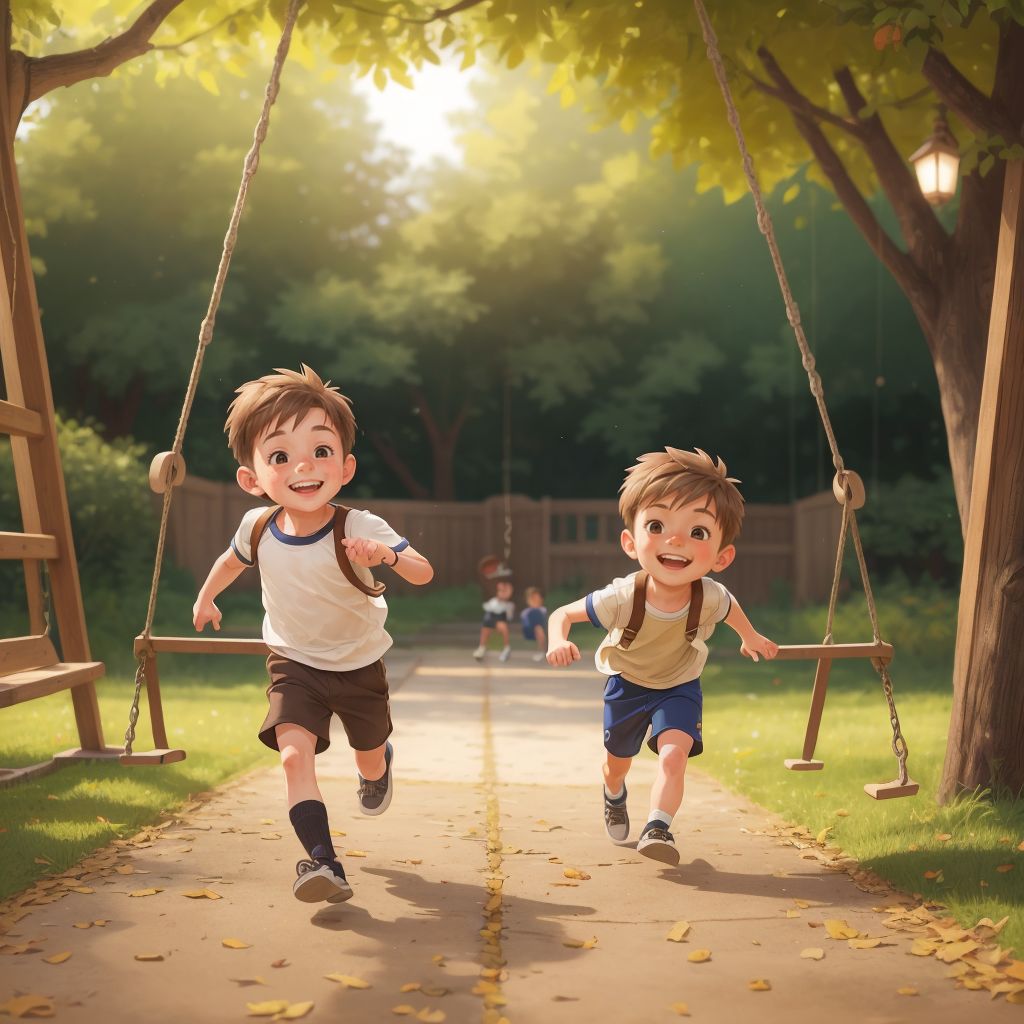
1. danny going up to scott on the swings at recess. 2. danny realizes the scott is deaf and they become friends.

1. كان هناك ولد صغير اسمه عمر، كان عمر يحب الطبيعة ويعشق الحيوانات، وكان يحلم بأن يصبح عالمًا في علم الأحياء. 2. ذات يوم، كان عمر يلعب في الحديقة عندما رأى نحلة صغيرة تطير حوله. كانت النحلة مختلفة عن غيرها من النحل، كانت أكبر حجمًا وأجمل منظرًا، وكان لها أجنحة شفافة جميلة. 3. اقترب عمر من النحلة وتحدث إليها، فقال لها: "مرحبًا أيتها النحلة الجميلة، من أنت؟" 4. نظرت النحلة إلى عمر وقالت له: "أنا نحلة عجيبة، أنا أستطيع التحدث إلى البشر." 5. تفاجأ عمر من كلام النحلة، فقال لها: "هذا أمر مذهل! كيف يمكنك التحدث إلى البشر؟" 6. قالت النحلة: "أنا ساحرة، لقد ولدت بهذه القدرة." 7. فرح عمر كثيرًا، فقال للنحلة: "هذا رائع! هل يمكنك أن تخبريني عن العالم الطبيعي؟" 8. وافقت النحلة، وبدأت تخبر عمر عن العالم الطبيعي، وعن النباتات والحيوانات، وعن كيفية عمل الطبيعة.

1. Santa Rosa is a town located in Region IV-A. 2. It's beauty stands-out among the other town because of its diverse background and beliefs. 3. The students of Dita Elementary School will tell us about the different religions in Santa Rosa.