
 Start Read
 Recommend
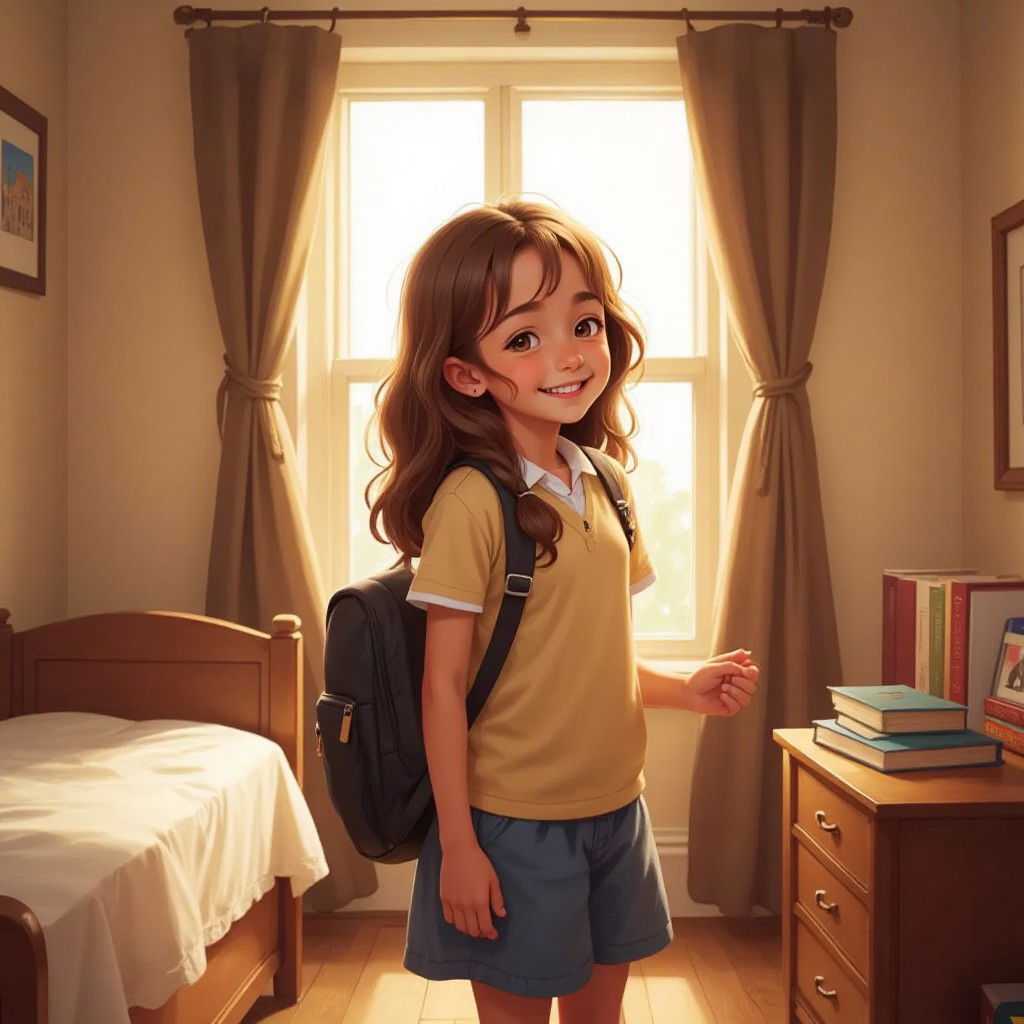
A Story About Transitioning from Homeschool to In-Person School

a snow bear is lost in Africa and find his way to North Pole
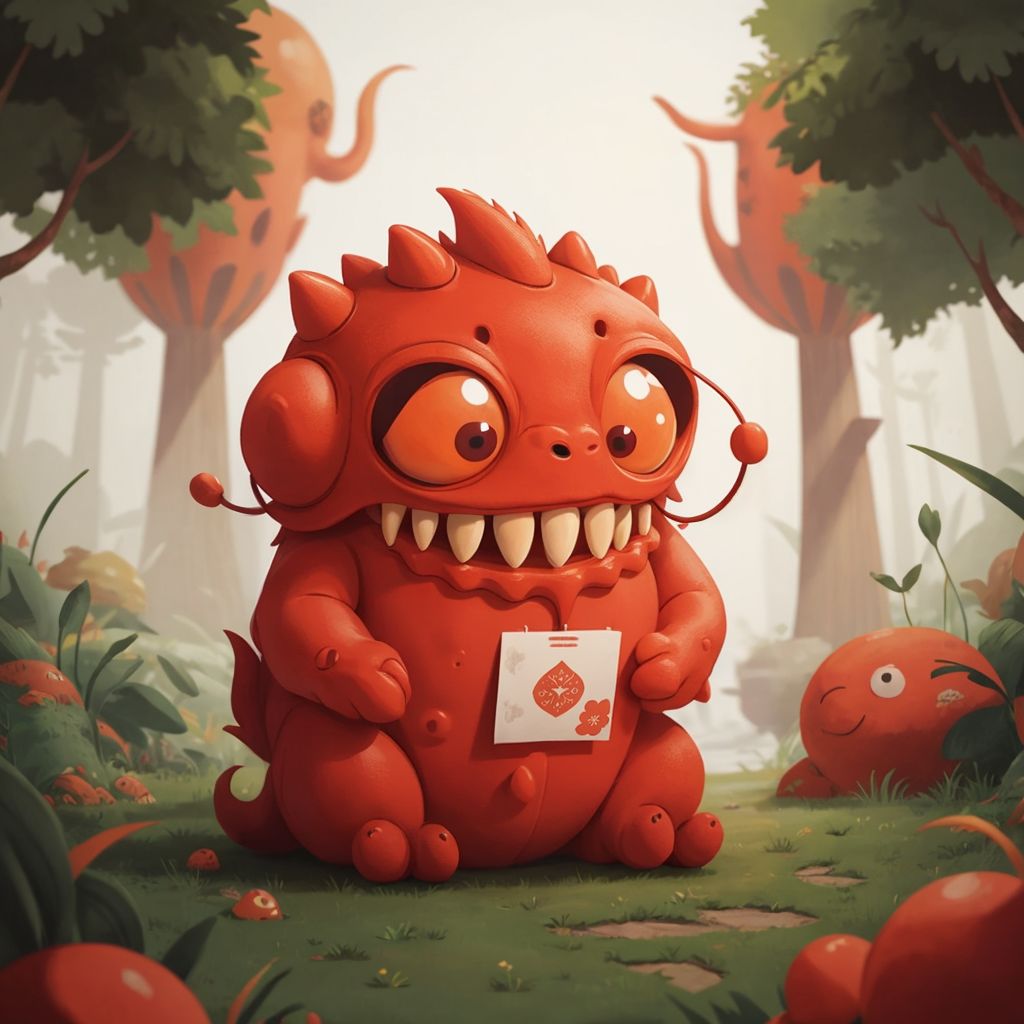
Historia para la gestión de emociones contando la importancia de la convivencia de todas ellas para
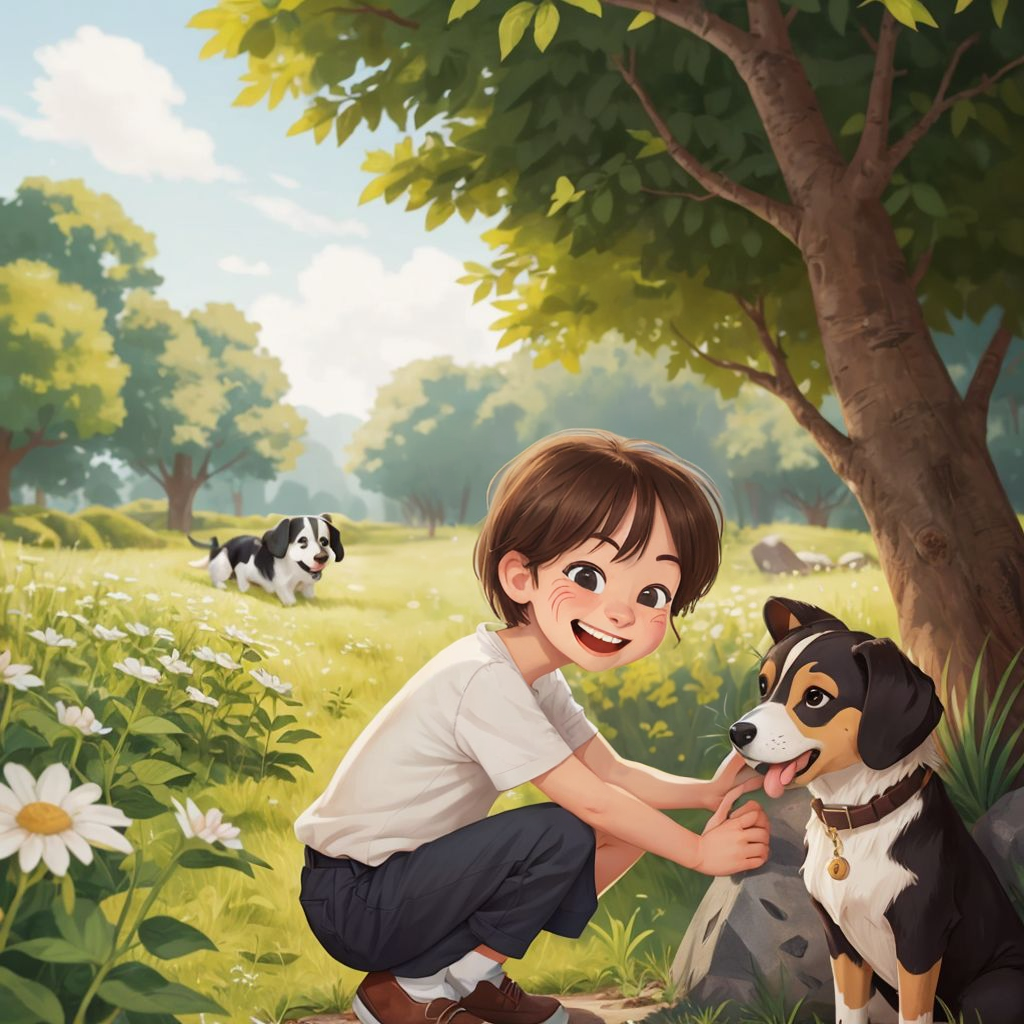
1. Įžanga 2. Pirmas draugas 3. Draugystės galia 4. Dalinimasis 5. Kartu per sunkumus 6. Draugystės džiaugsmas 7. Išvada
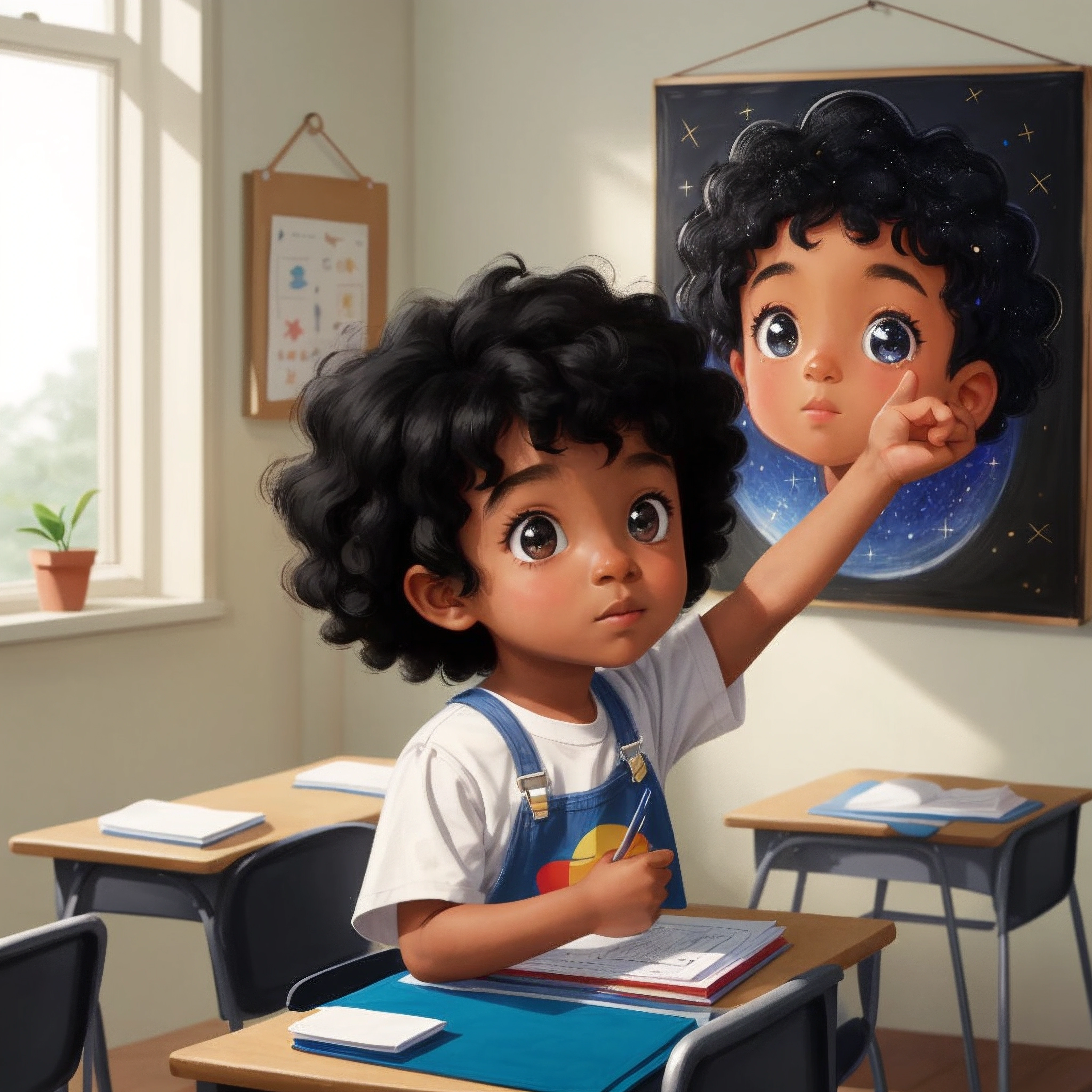
Learn about paint colors, paint brushes sizes and how to use paint brushes correctly.. Kids learn about safety while painting and chemicals. Kids learn how setup materials and cleanup after paint done.
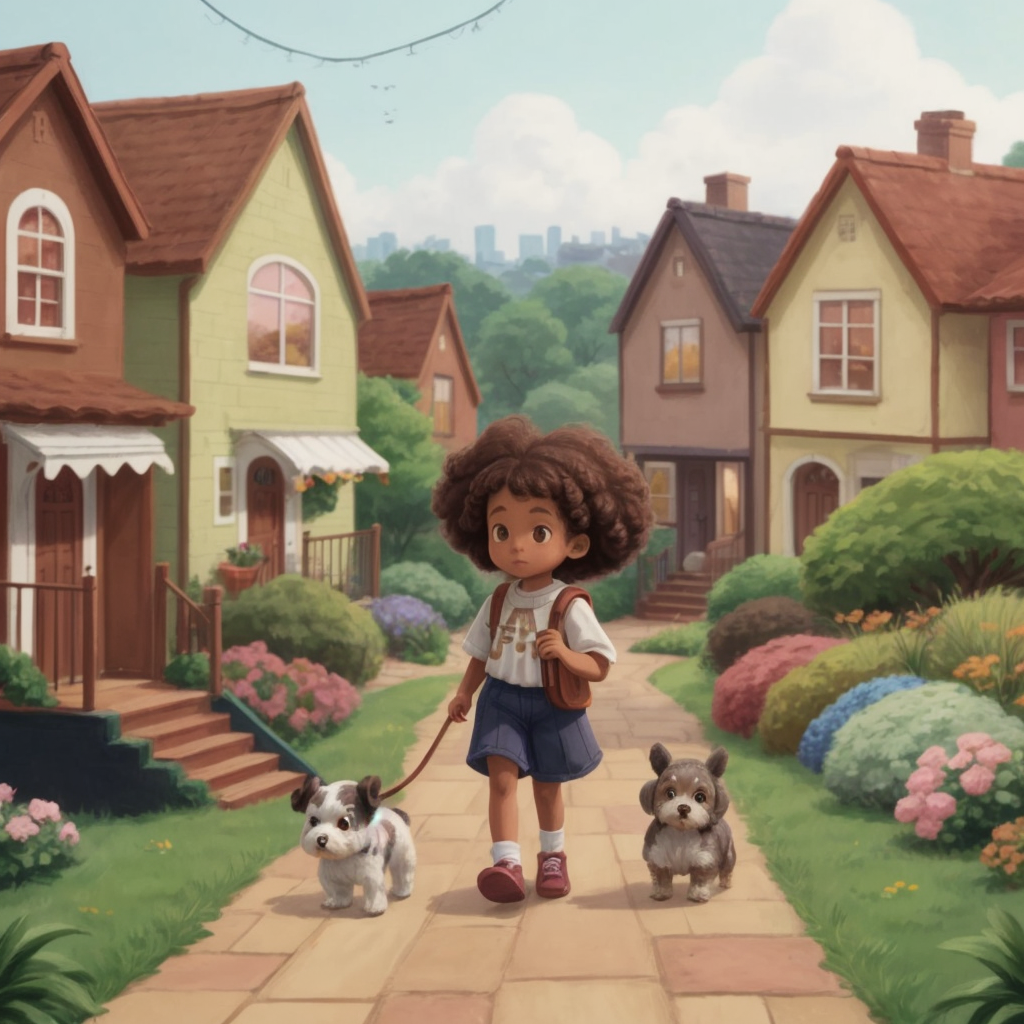
A small dog discover love after being teased and called smell. Destyni washing him with the Desty Paws products and he smell so good.
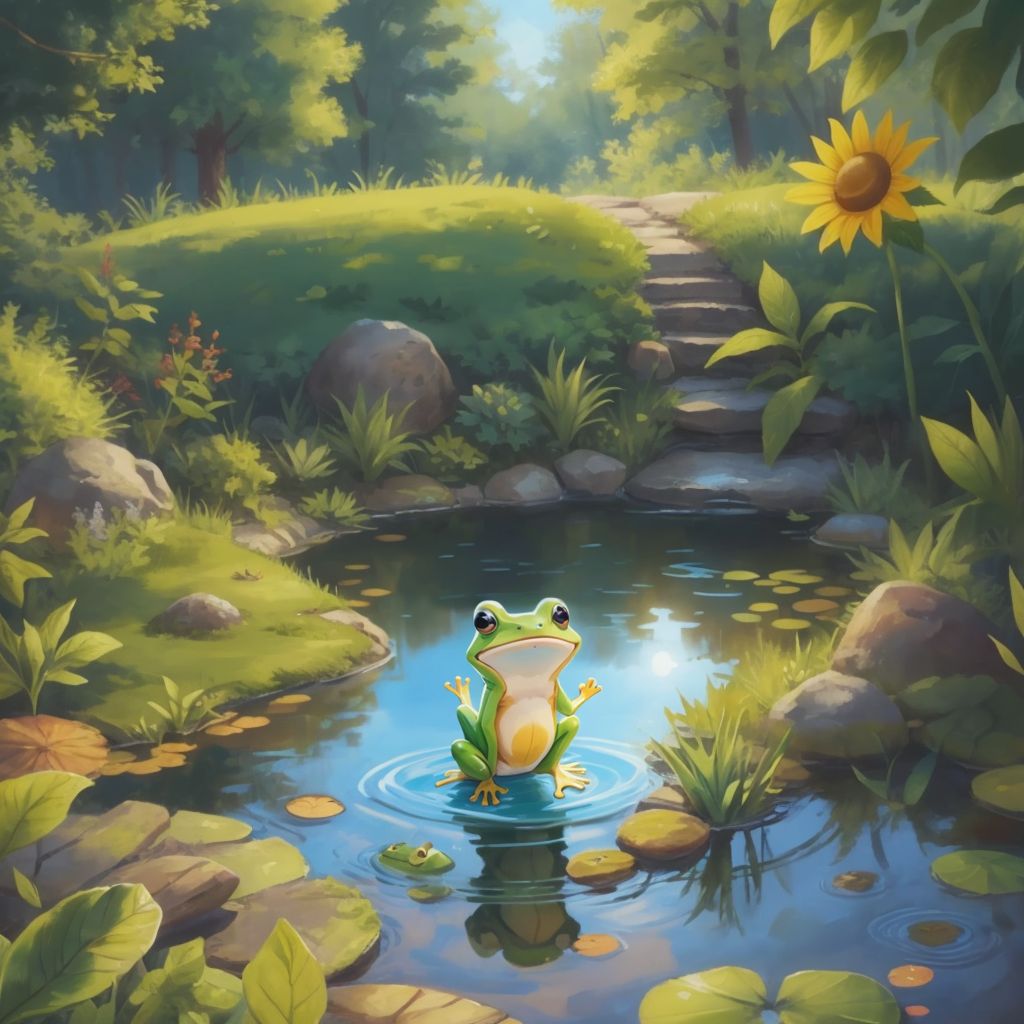
Green Frog is on a mission to find shapes in and around the pond. He spots circles in the bubbles, squares in the rocks, and triangles in the reeds. As Green Frog discovers each shape, he helps young readers learn to identify and name them. This delightful story, with bright and engaging illustrations, encourages kids to recognize shapes in their everyday environment.
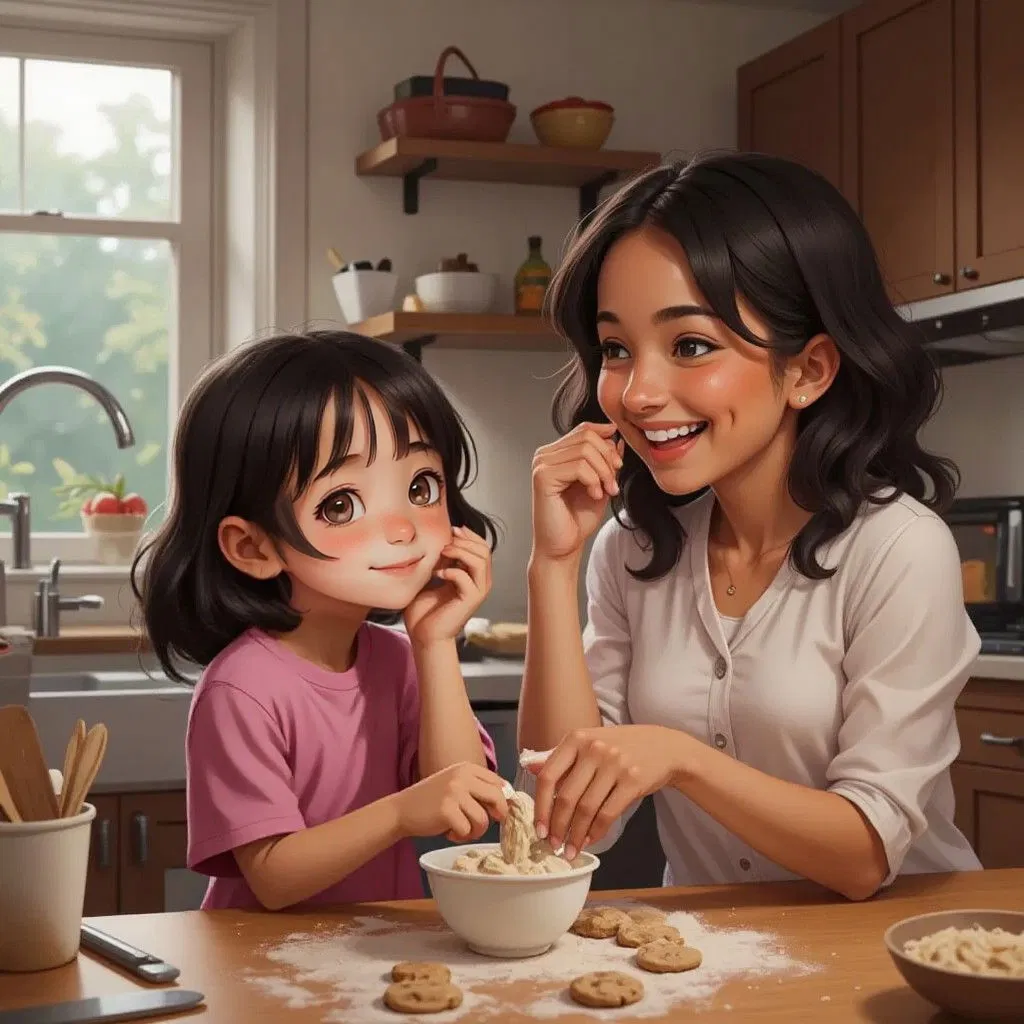
Lila loves spending time with her mom in their cozy apartment, where they bake cookies on rainy days. She also cherishes weekends at her dad’s house, where they build forts and tell stories under twinkling fairy lights. But sometimes, Lila feels like her heart is being stretched between two places. Two Homes, One Heart is a heartfelt story that gently explores the emotions children may experience when living between two homes. Through Lila’s journey, young readers will discover that love isn’t limited by walls or addresses—it lives in the moments shared with the people who care about them. With warm illustrations and tender storytelling, this book reassures children of separated or divorced parents that their hearts are big enough to hold love for both homes. Themes: Love, Family, Emotional Security, Coping with Change Target Age: 6–8 years Ideal For: Families navigating shared custody, educators, and counselors supporting children in blended family situations.
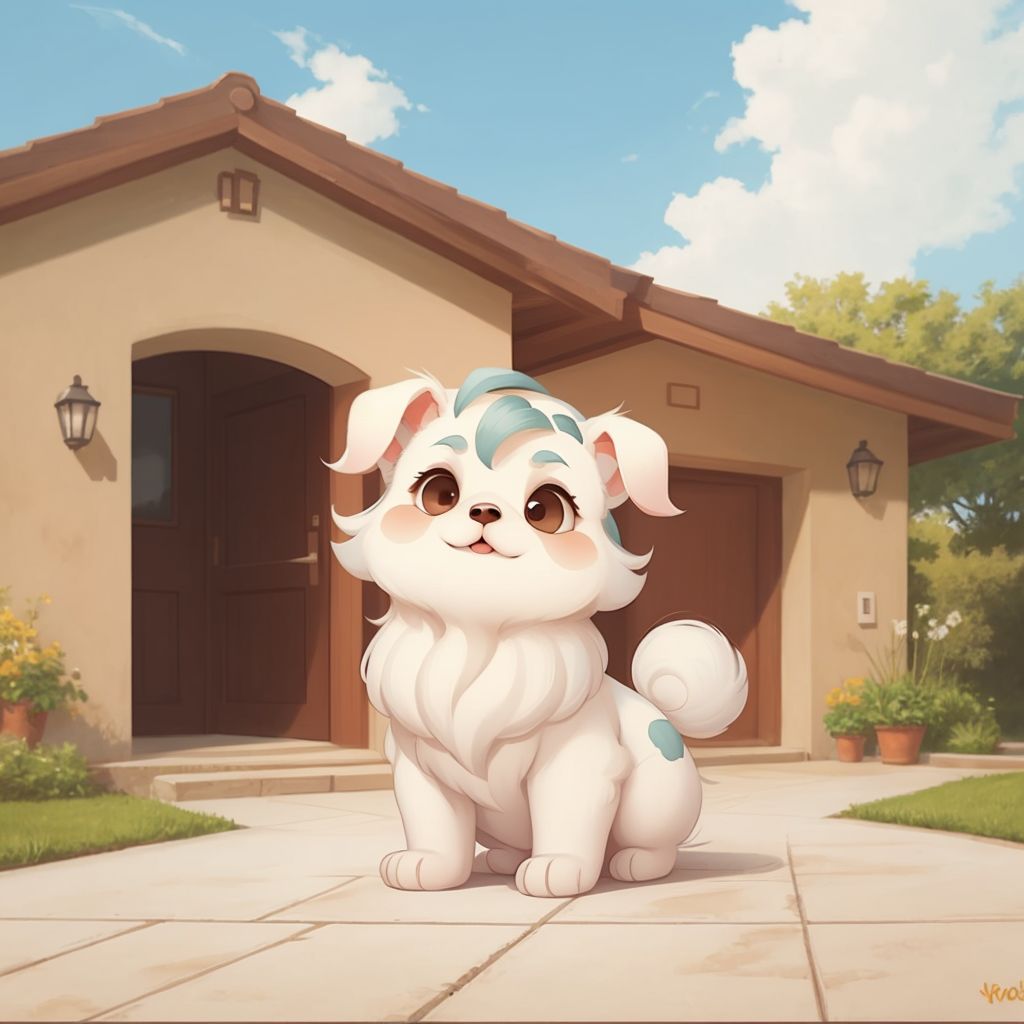
Beebee is a small fluffy white Maltese. He loves to dance on his hind legs and swing his tail around like a chopper. One day he was chasing butterflies in the driveway and got hit by a visitor's car. His mom rushed him to the vet, where he had to get surgery on his hind legs and his tail was amputated. After a long recovery, with lots of love and support, his mom encouraged him to dance again.
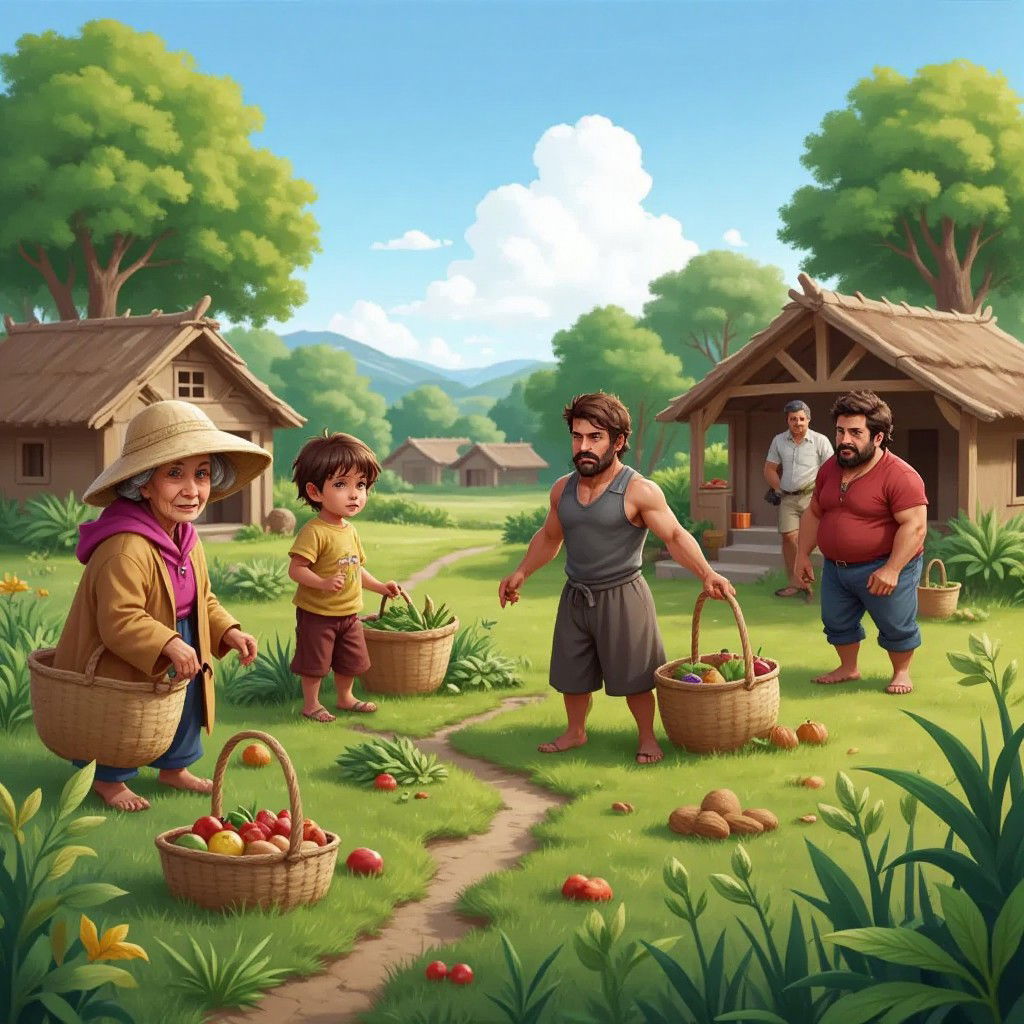
Há muito, muito tempo, antes de existirem escolas, livros e até mesmo cadernos, as pessoas viviam em aldeias e trabalhavam juntas para conseguir comida, construir casas e preparar festas. Mas havia um grande problema… os números ainda não existiam! Certo dia, a aldeia estava se preparando para uma grande festa. Eles precisavam dividir os alimentos entre as famílias, separar os bancos para as pessoas sentarem e organizar as frutas para a sobremesa. Mas como fazer isso sem contar? O chefe da aldeia olhou para todos e disse: — Precisamos de ajuda! Como podemos garantir que cada família receba a mesma quantidade de pão e peixe? Como podemos saber se todos terão um lugar para sentar? Os moradores começaram a tentar resolver a situação: Alguns tentaram comparar os alimentos colocando um monte ao lado do outro. Outros tentaram distribuir usando as mãos, mas sem saber se estavam dando mais ou menos para cada um. Alguns começaram a usar pedras para representar o que estavam distribuindo. Mesmo assim, tudo parecia confuso. Como eles poderiam se organizar melhor? Desafio para a turma: Agora, seus alunos fazem parte da aldeia! Em grupos, eles precisam pensar em soluções para os problemas sem usar números. Dê a cada grupo um desafio, como: Como dividir os peixes entre as famílias de forma justa? Como garantir que cada pessoa tenha um lugar para sentar na festa? Como lembrar quantos dias faltam para a festa sem um calendário? Depois, cada grupo compartilha sua solução. No final, você pode conduzir a reflexão: Como a invenção dos números ajudou as pessoas a resolver esses problemas?
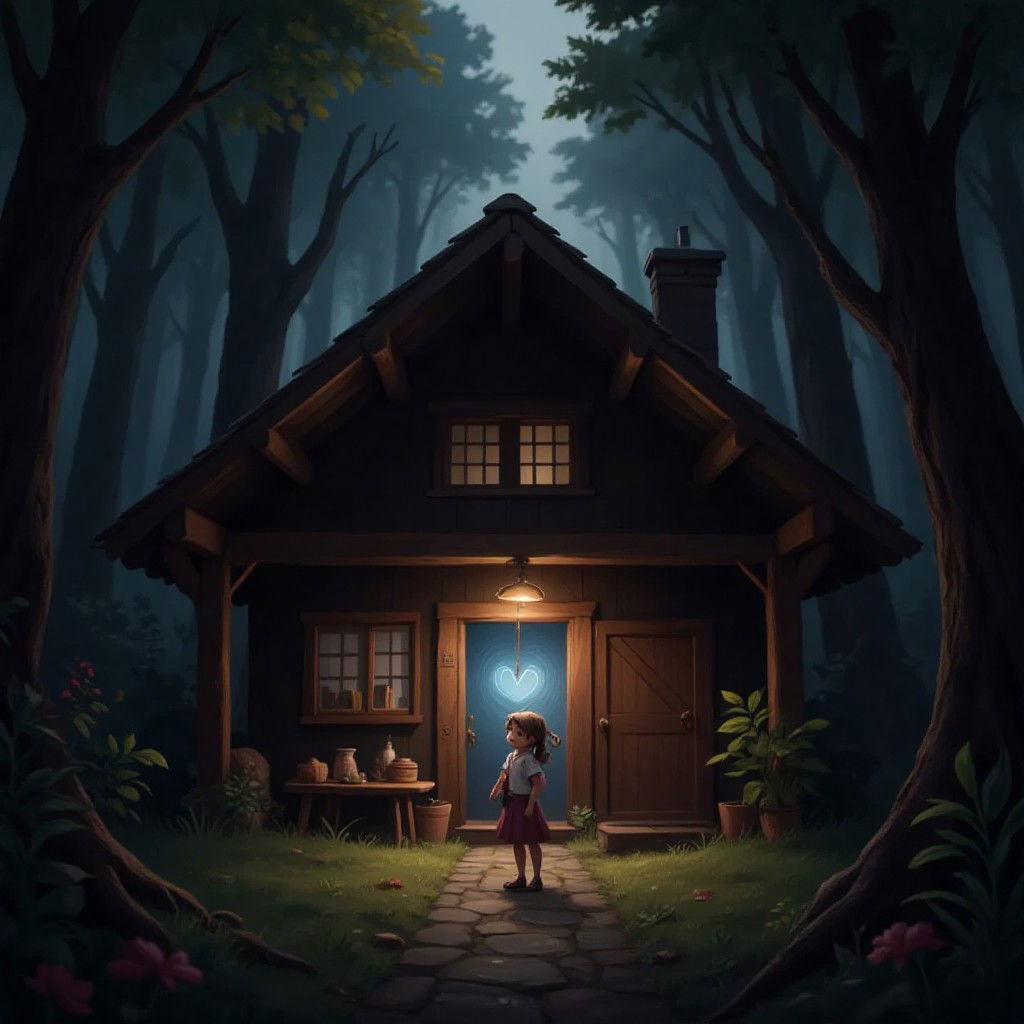
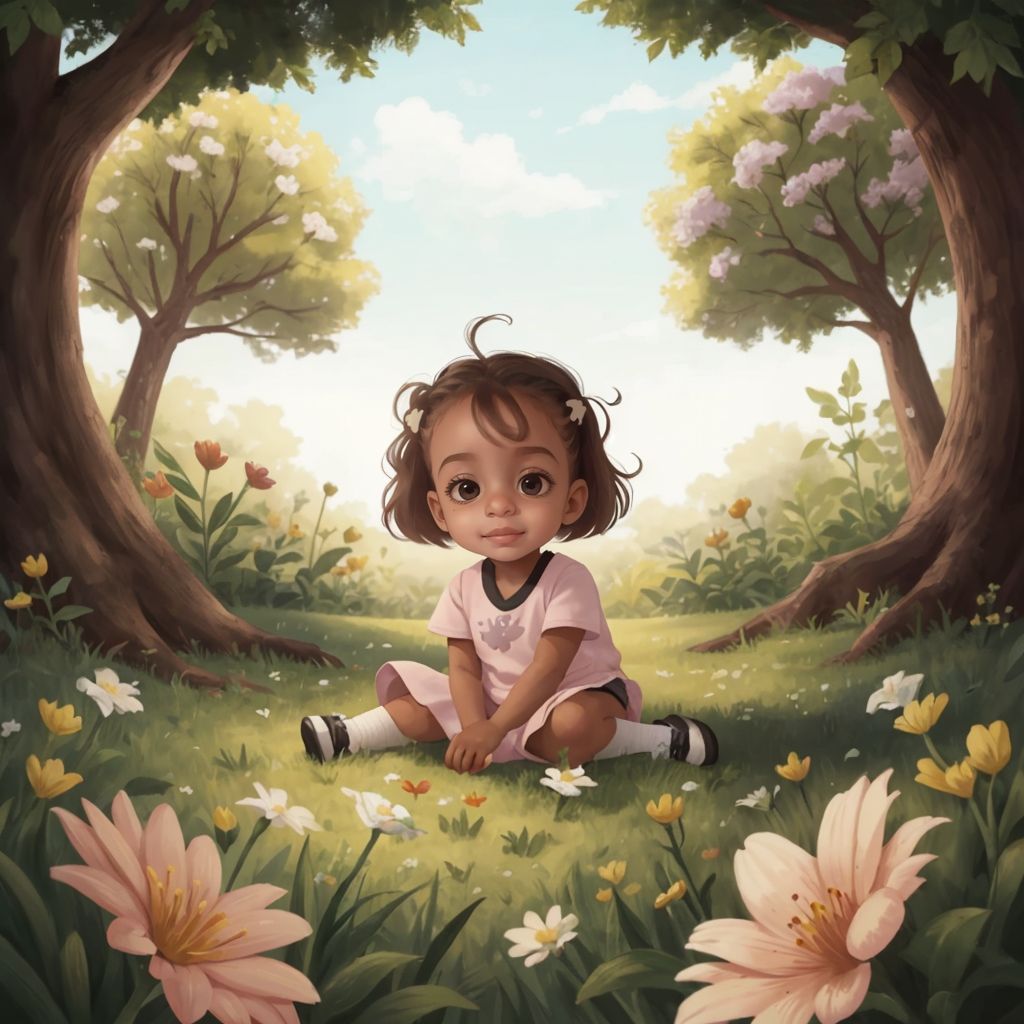
Es war einmal ein kleines Mädchen namens Lilli, das in einem gemütlichen Haus am Waldrand lebte. Lilli hatte ein ganz besonderes Geschenk: Sie trug in ihrem Herzen einen Regenbogen, der ihre Gefühle zeigte. Doch manchmal wusste sie nicht, wie sie diese Gefühle verstehen sollte. Eines Morgens wachte Lilli auf, und ihr Regenbogen schimmerte in einem dunklen Blau. „Warum fühle ich mich so?“ fragte sie sich. Mama kam herein und sah Lilli an. „Vielleicht bist du traurig? Manchmal hilft es, darüber zu sprechen.“ Lilli erzählte von einem Spielzeug, das gestern kaputtgegangen war. Mama hörte zu, nickte und sagte: „Es ist okay, traurig zu sein. Wenn du möchtest, können wir es zusammen reparieren.“ Lilli lächelte ein wenig, und ein heller Streifen Gelb schlich sich in ihren Regenbogen.
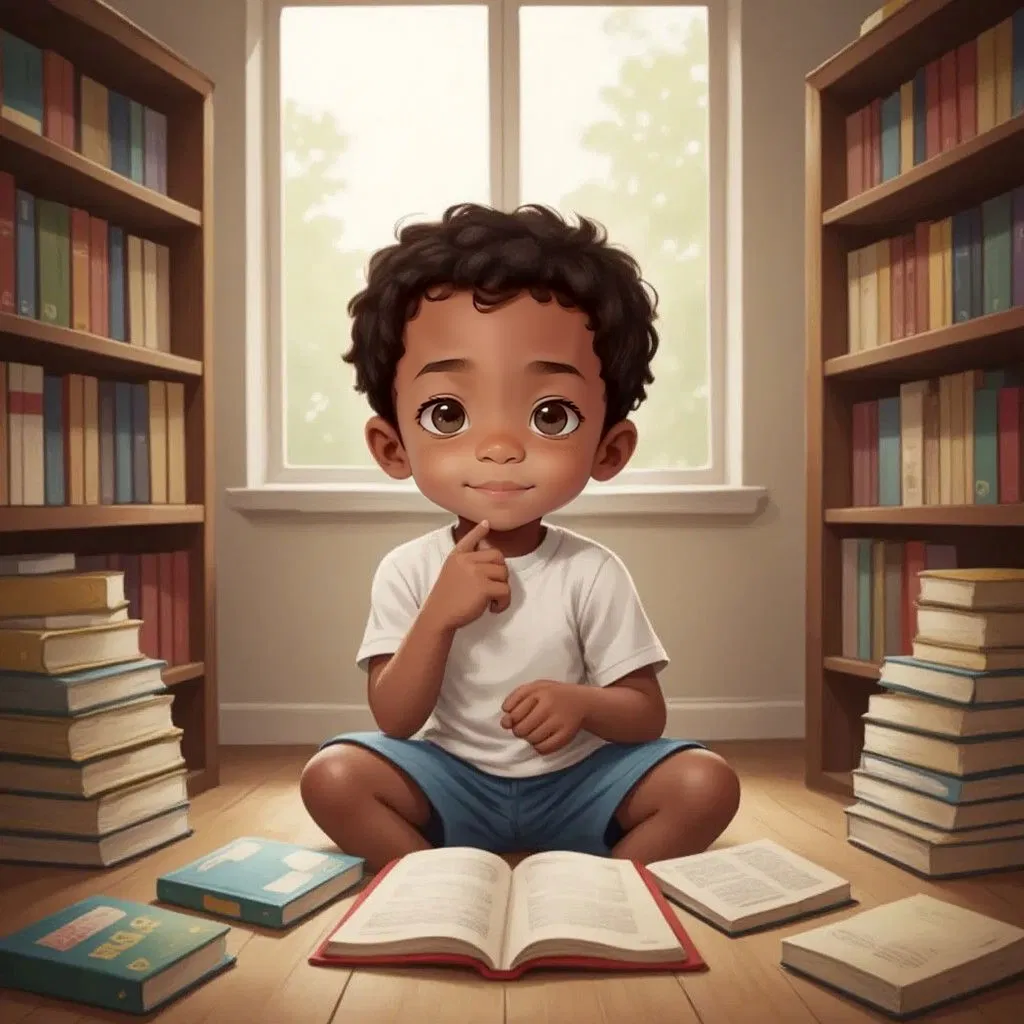
The life of Congressman John Lewis
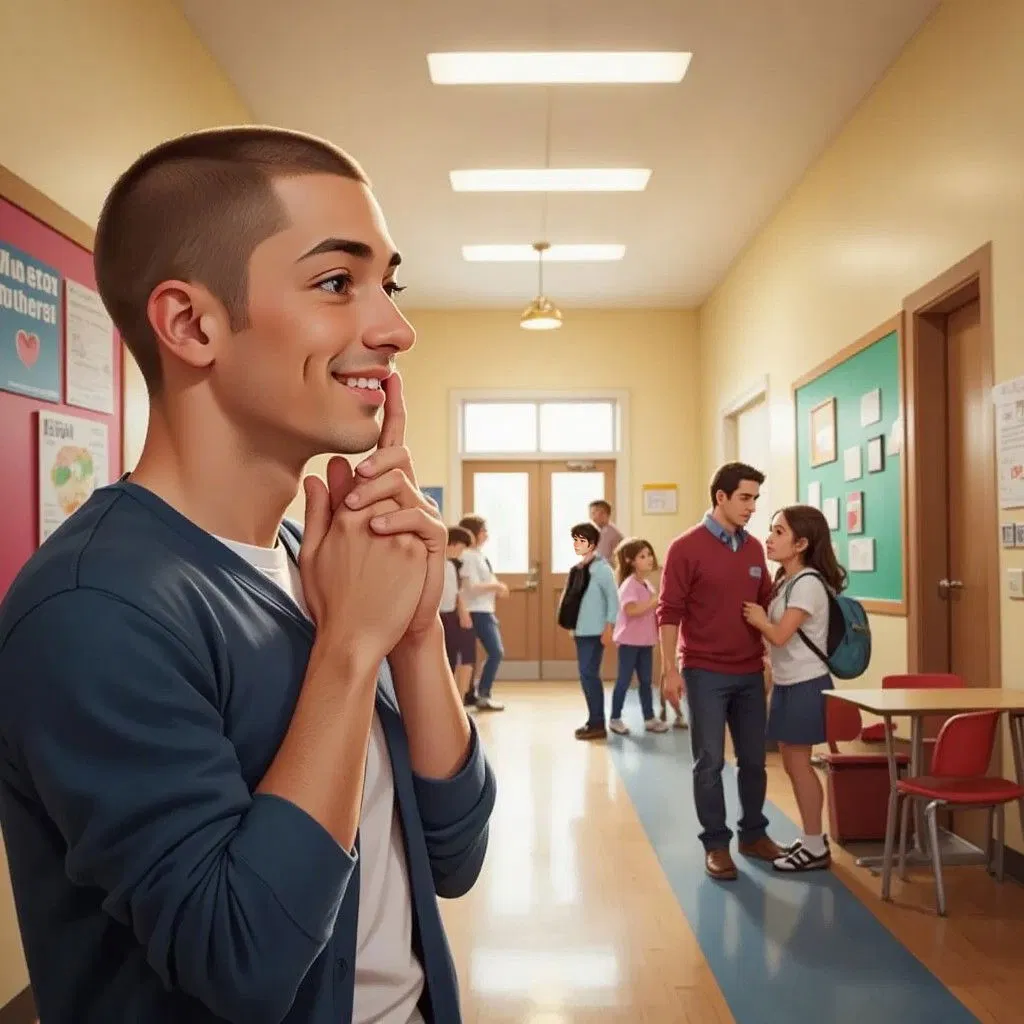
Teachers all day work at school and dont have time to be free for great mood
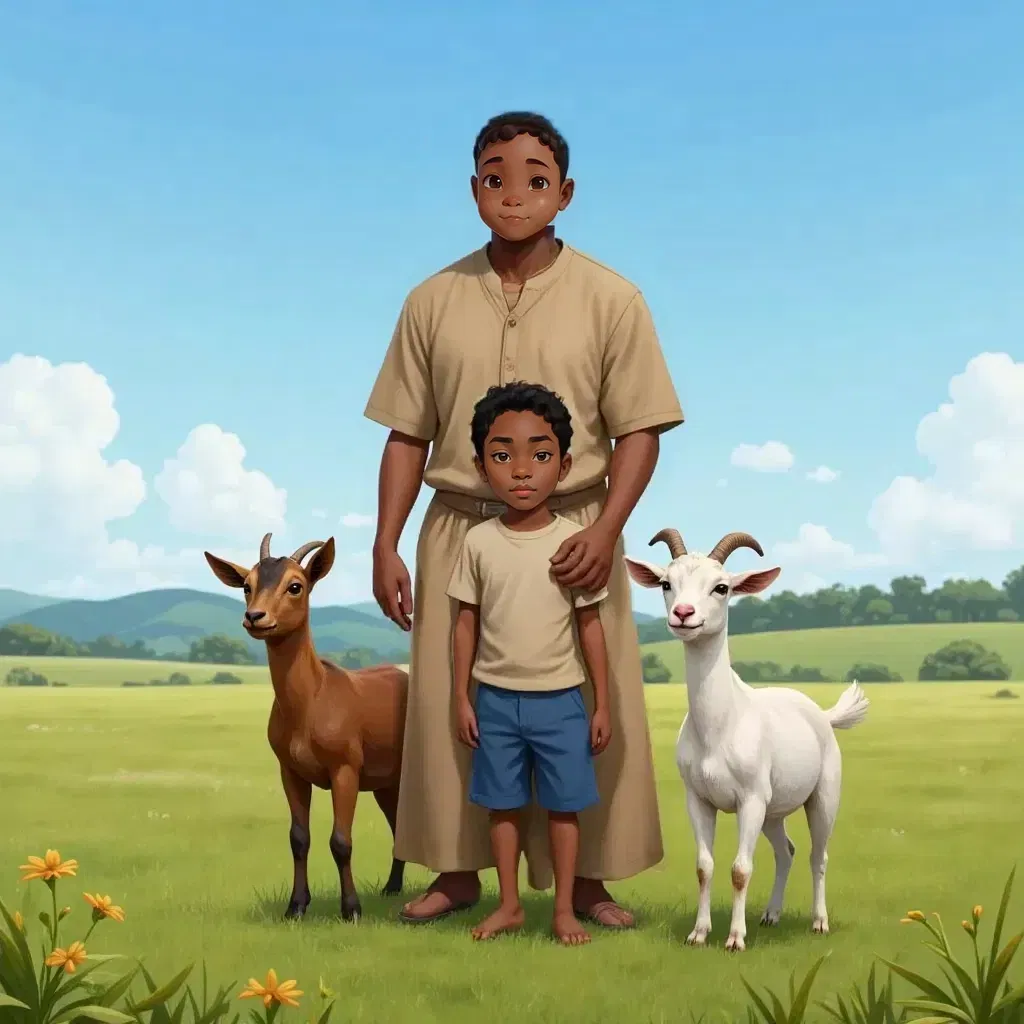
Write a 20-page Ugandan children’s story for P1 about a boy who loses his goat but finds it and learns responsibility. Page 1: This is Kato. He lives in a village in Uganda. Page 2: This is Kato. He lives in a village in Uganda. (Image: Mud house, banana trees) Page 3: Kato’s father gave him a goat. “Take good care of her,” he said. (Image: Father handing Kato a rope tied to a brown goat) Page 4: Kato took the goat to graze near the garden. (Image: Goat eating grass, Kato watching) Page 4: His friends called him. “Come play football!” (Image: Boys waving near a makeshift goalpost) Page 5: Kato tied the goat to a tree and ran to play. (Image: Goat tied loosely, Kato kicking a ball) Page 6: The goat pulled and pulled. The rope came loose! (Image: Goat freeing itself) Page 7: Kato looked back. The goat was gone! (Image: Empty rope, Kato’s shocked face) Page 8: “Where is my goat?” Kato cried. (Image: Kato searching bushes) Page 9: He asked Mama Nalongo. “Did you see my goat?” (Image: Old woman shaking head) Page 10: He asked the shopkeeper. “No,” said Mr. Sseguya. (Image: Kato at a roadside kiosk) Page 11: Then, he heard a sound: “Maaah!” (Image: Goat’s head peeking from a maize field) Page 12: The goat was eating Mr. Opio’s maize! (Image: Goat munching crops, angry farmer) Page 13: “I’m sorry!” Kato said," “I will help fix it.” (Image: Kato bowing head) Page 14: Kato and Mr. Opio replanted the maize. (Image: Both working in field) Page 15: Kato tied the goat properly this time. (Image: Double knot on rope) Page 16: His father said, “Always watch the goat. She is your responsibility.” (Image: Father kneeling to talk to Kato) Page 17: Kato never left the goat alone again. (Image: Kato sitting with goat while friends play) Page 18: The goat grew big and strong. Kato was proud! (Image: Fat goat, Kato smiling) Last Page: "THE END. What did Kato learn"? (Image: Kato feeding goat)
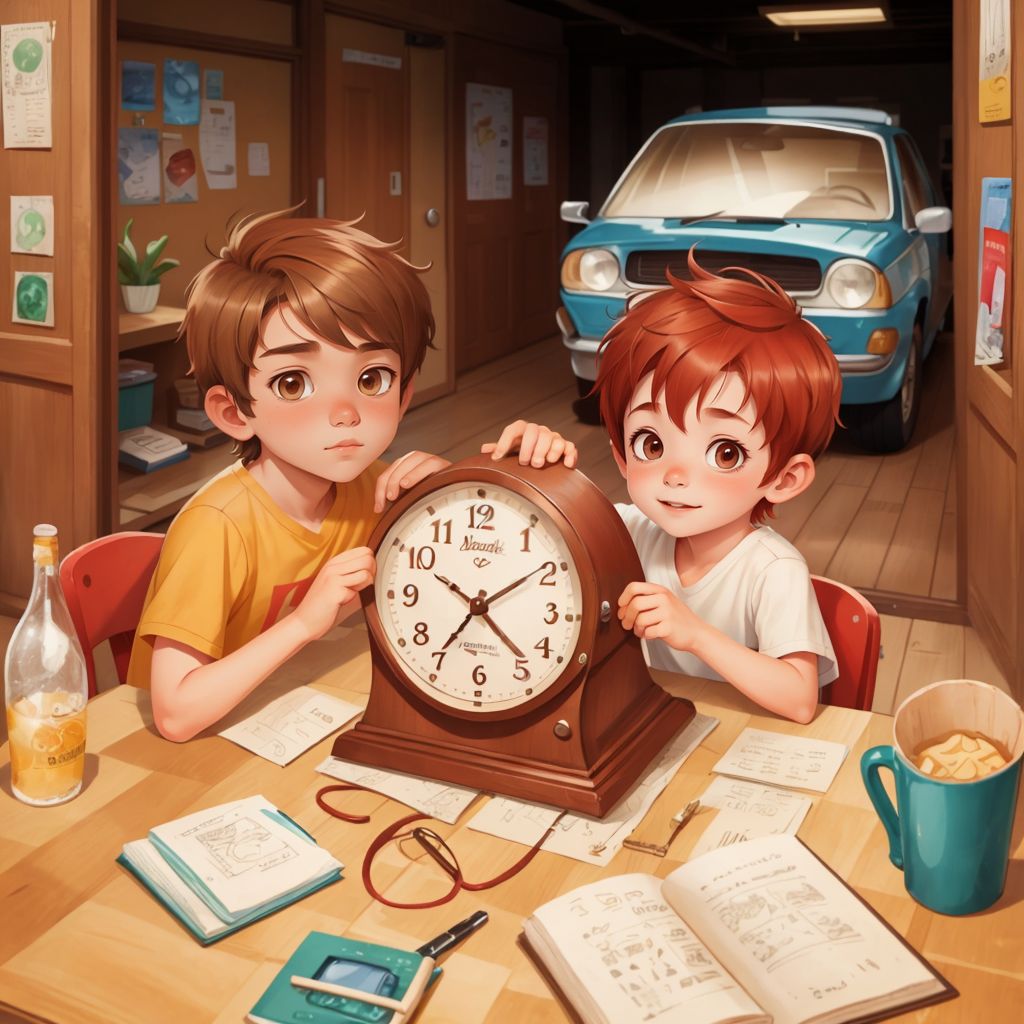
Liam and Briar use a time machine and accidentally travel to the land of the dinosaurs where they have to find a certain element to fix their time machine to get back. They get chased by a t-rex after finding a baby pterodactyl that they end up keeping as a pet when they make it back home.
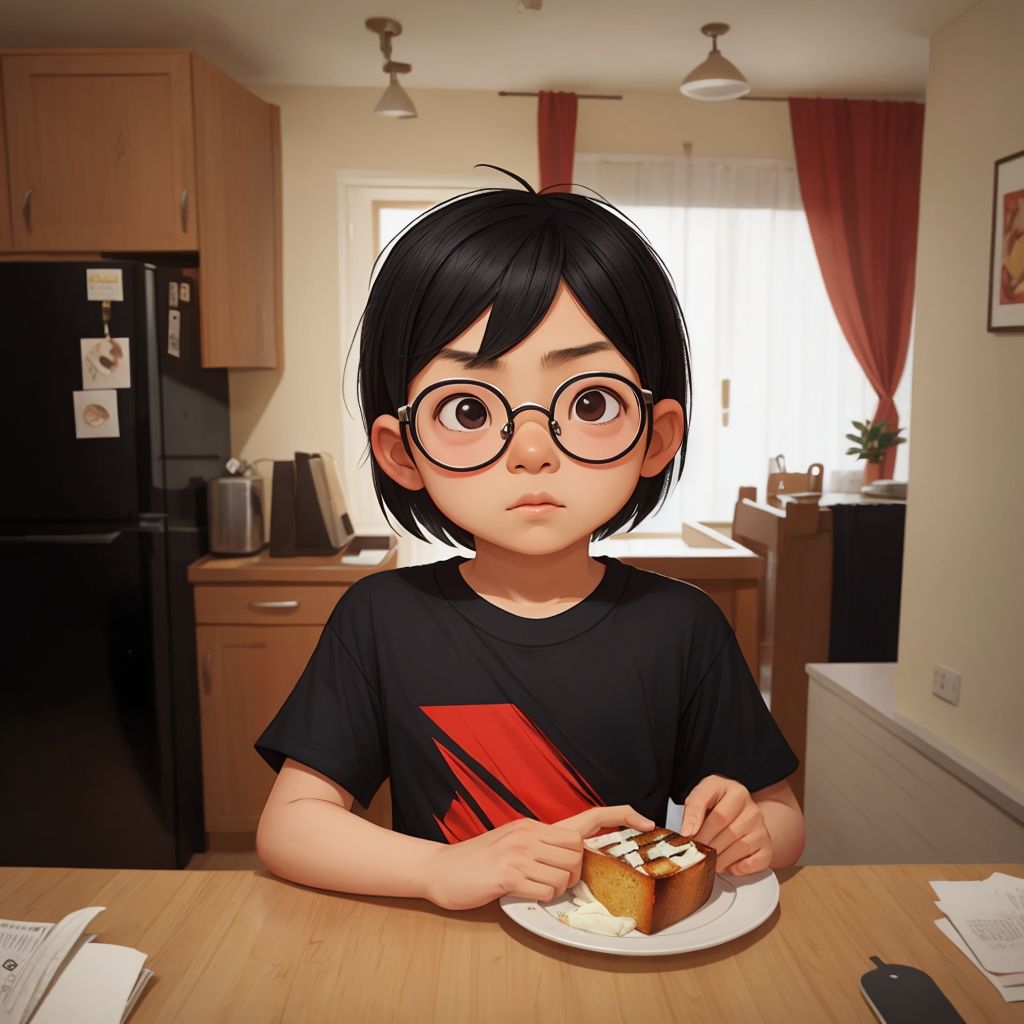
1. Tommy was a curious little boy with a love for breakfast. Every morning, he’d eagerly await the aroma of freshly toasted bread. One day, however, his toast turned a bit too brown - a crispy, almost burnt mess. 2. "Oh no!" he exclaimed, disappointed. His mom, ever patient, smiled. "Well, Tommy, even mistakes can sometimes lead to something good." 3. Intrigued, Tommy asked, "Really? How?" 4. "Let's experiment," she replied. They crumbled the burnt toast into a bowl and added a splash of milk, a sprinkle of sugar, and a dollop of butter. After a quick stir, a delicious, crunchy treat emerged. 5. "It's like a crispy, sweet snack!" Tommy exclaimed, his eyes wide with wonder. 6. His mom nodded. "That's the Burnt Toast Theory. Sometimes, things don’t turn out as planned, but if you approach them with a positive attitude, you might discover something new and wonderful." 7. From that day on, Tommy embraced mistakes as opportunities. A spilled paintbrush led to a unique abstract painting. A missed note in his piano practice turned into a new, improvised melody. 8. The Burnt Toast Theory had become a guiding principle in his life, reminding him that even the darkest clouds can have a silver lining.
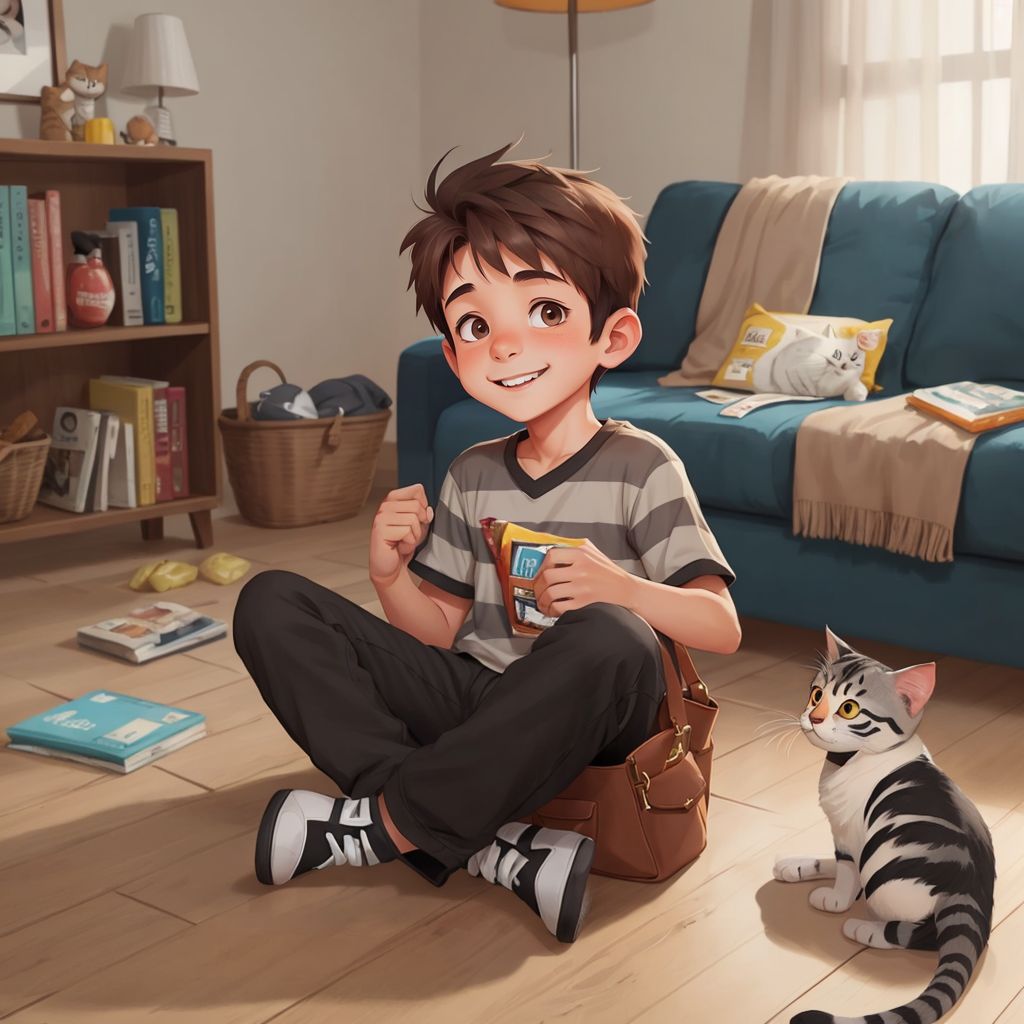
CHELI LA GATA Y BRANDON FUERON A LA PLAYA A JUNTAR CONCHITAS
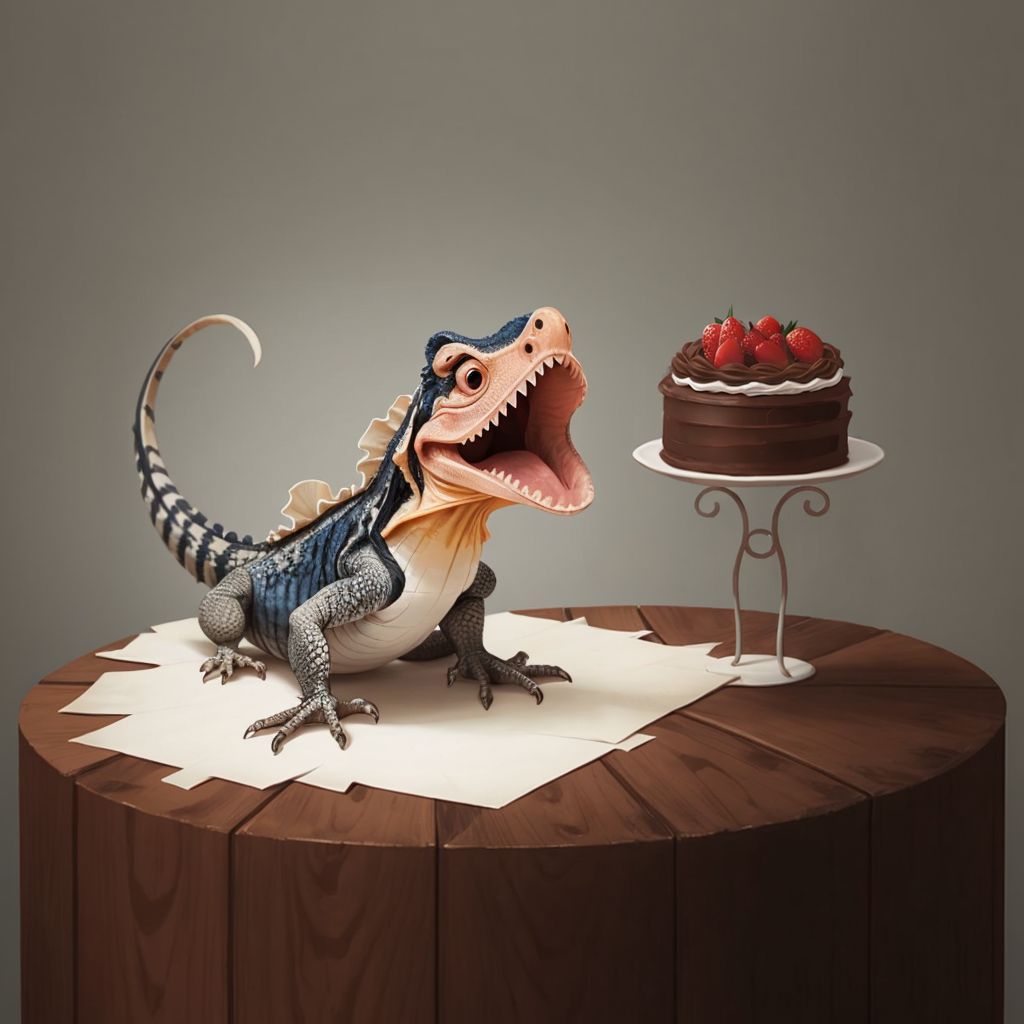
Fiona, a young frilled-neck lizard, is eager but nervous about learning how to bake a chocolate cake. She wants to make a special cake for her best friend Wally the wombat’s birthday but finds the process overwhelming. Fortunately, her wise and patient grandmother, Agatha, is an experienced baker and agrees to teach her.
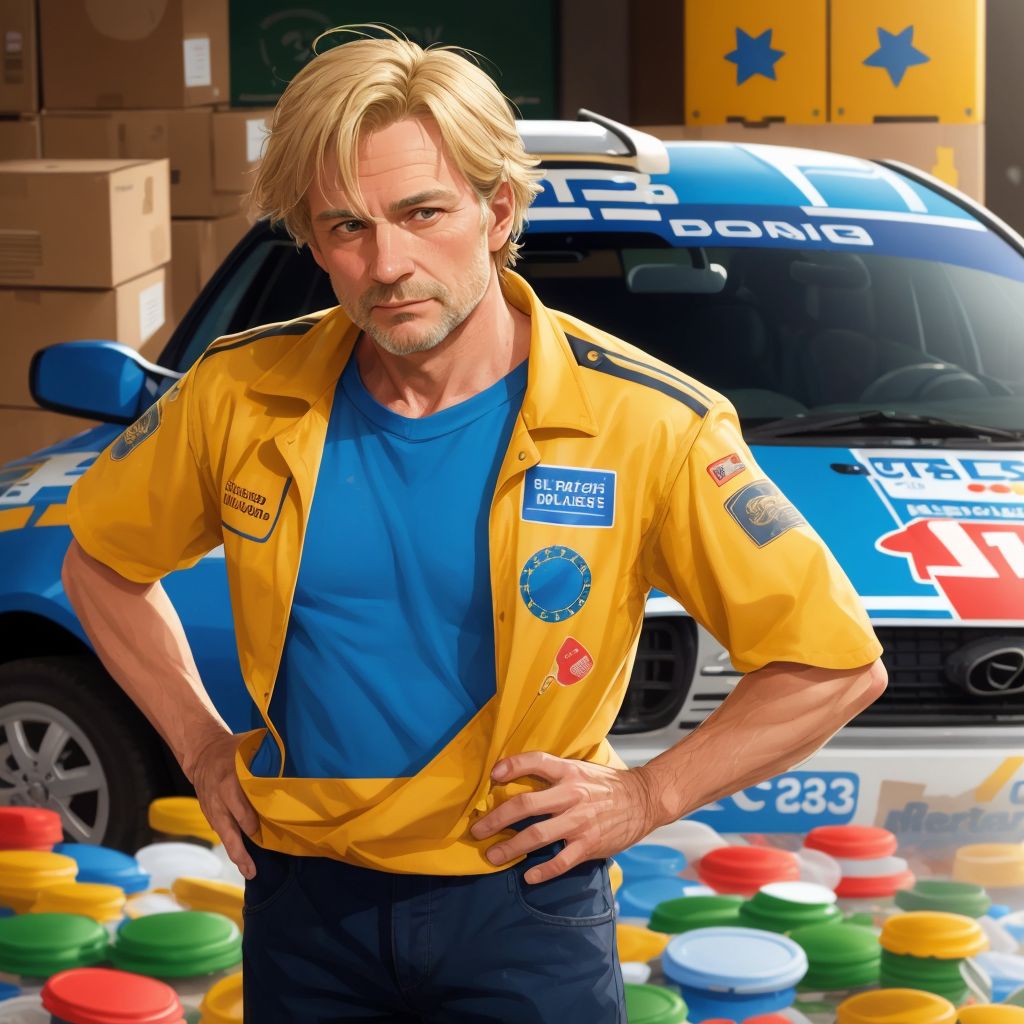
In 2019, Tim Miller's participation in a charity car rally led to the inception of Lids4Kids, a recycling initiative aimed at repurposing plastic lids to support children with cancer. The project gained momentum when a viral Facebook post sparked widespread community involvement, flooding Tim's team with lid donations. Despite initial challenges at recycling depots and a temporary pause due to Covid-19 safety concerns, Tim and his team persevered. With the addition of Emma Holliday, they restructured the charity, establishing The Hub in Canberra as a center for recycling and education. Here, lids were transformed into raw materials for manufacturing, leading to the creation of colorful benches sold to support the charity's operations. Today, Lids4Kids thrives as a symbol of community resilience, having rescued millions of lids from landfills and making a tangible impact on environmental conservation.
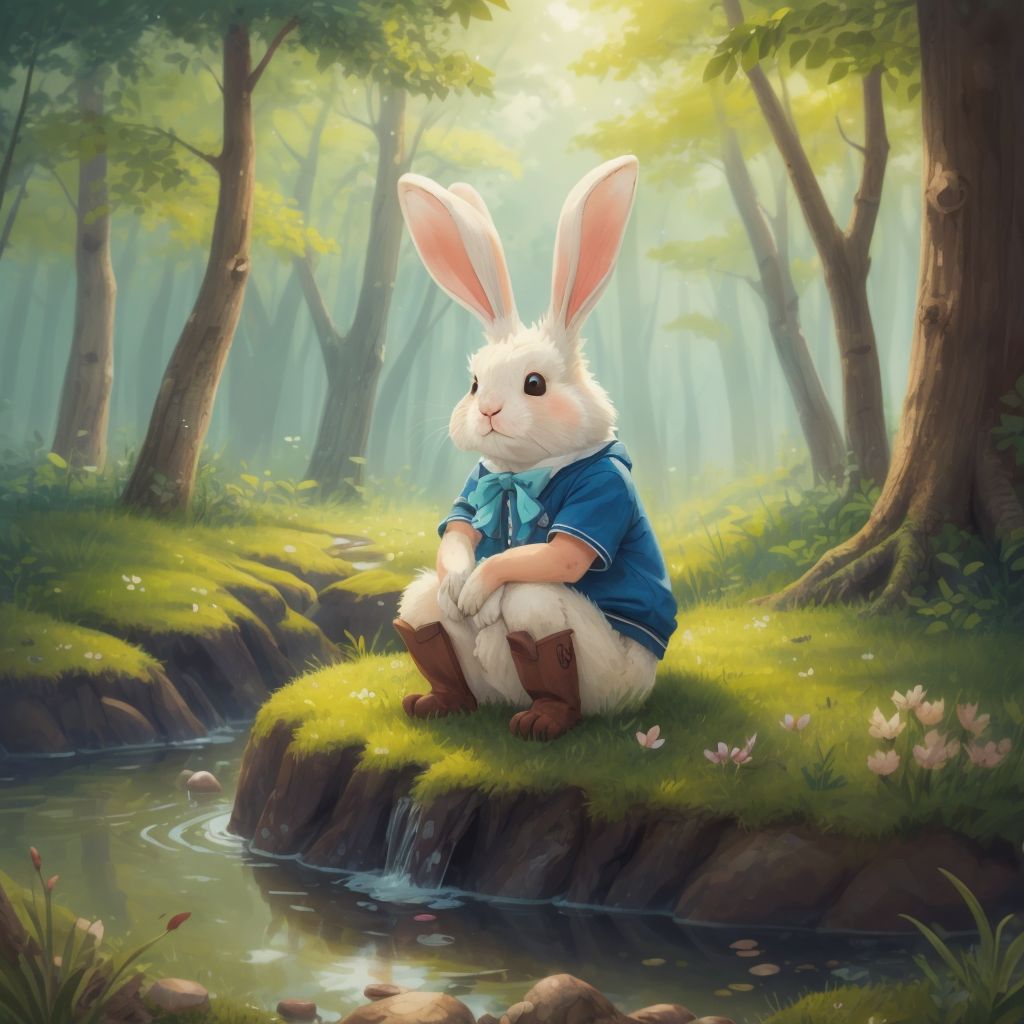
a story about a rabbit who lived in the forest and saw how the spring, which used to be the key, is now polluted and water no longer flows from it. He gathered his forest friends, who with joint efforts were able to clean this spring. Since then, all forest dwellers could use the spring and have drinking water