
 Start Read
 Recommend
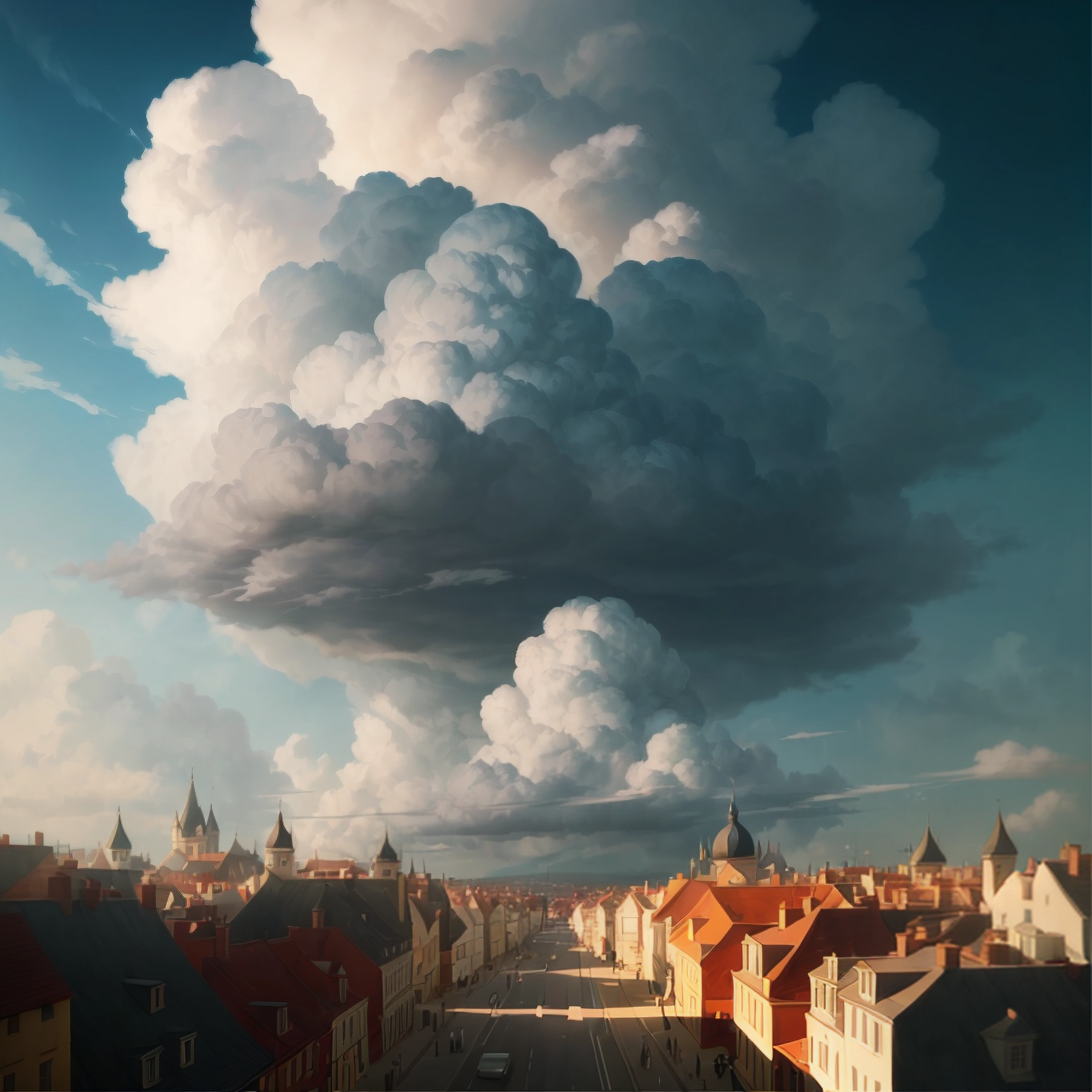
The Mischievous Cloud: Follow a playful cloud as it learns valuable lessons about responsibility and the impact of its actions on the weather below. the cloud should have eyes and a mouth to have expressions
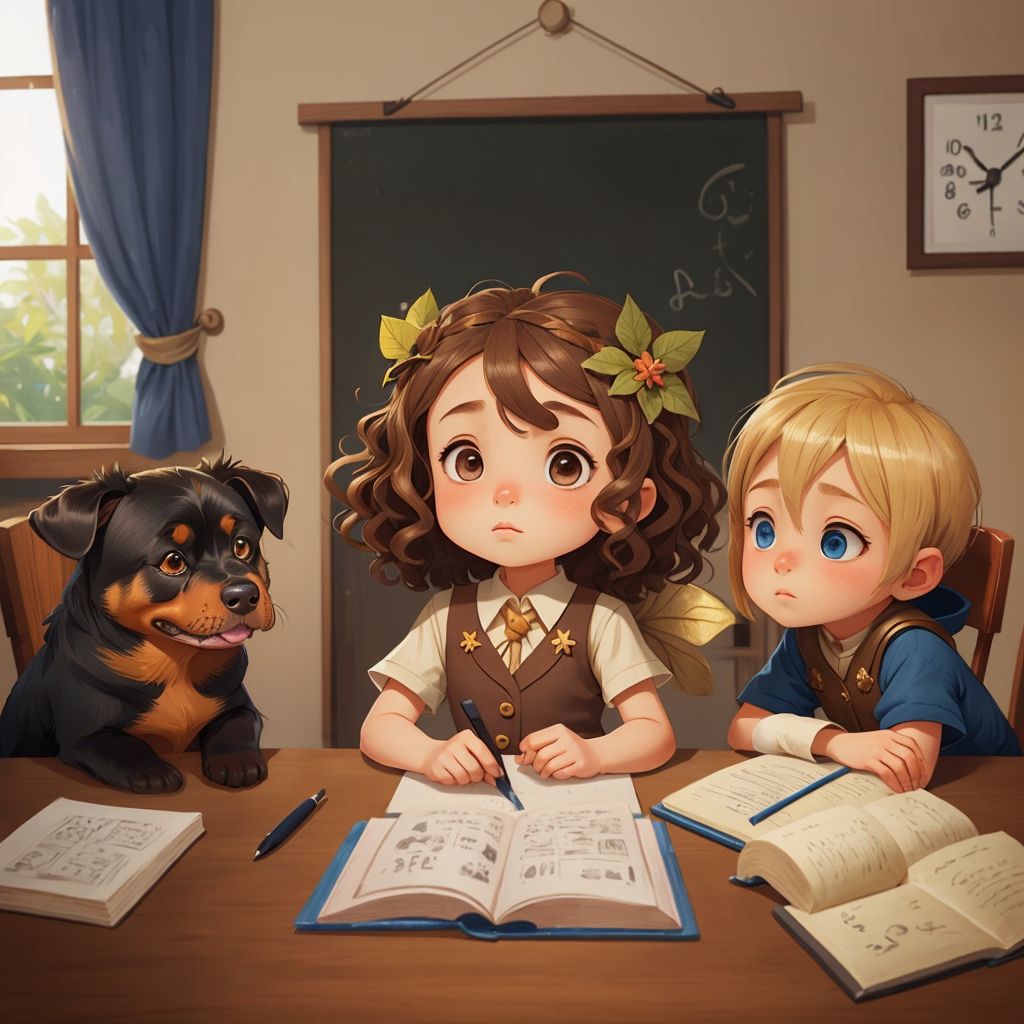
1. Page 1: Isabel has a wild imagination full of adventure and exploration. At school, she listens to rules and facts but in her mind, the magic attracts! 2. Page 2: With her big brown eyes and crazy hair, Isabel imagined worlds of wonder everywhere! And with her best friend Owen and her dog Molly too, they would travel to places where dreams come true. 3. Page 3: Although the schoolyard looks like grass and trees, it actually has enchanted lands and seas! “Let’s explore!” She cheered to her friends, “To find the place where imagination never ends!” 4. Page 4: “Come on, Owen, hurry Molly,” Isabel says “Adventure awaits, let’s see what's ahead” And away they went, but in a blink, the world transformed - what do you think? 5. Page 5: A rainbow river, a singing tree, and a maze that stretched as far as the eye could see.“Let’s solve the maze!” Isabel said with no fear in sight “This will be our great quest tonight! 6. Page 6:They enter the maze as confident as can be but soon get lost “Oh no! Where are we?” Every path they wandered led them around, but no way out could be found 7. Page 7: “Oh goodness!” said Owen “What should we do?” We have tried every path, and still not a clue!”Molly whimpered as her worries began to grow, “We need someone to help show us where to go!”8. Page 8:Then all of a sudden, a friendly voice rang clear, “Do you need help to conquer the maze, my dear?”Then along came Miss. Green, a teacher so kind, with the biggest heart and nurturing mind.9. Page 9: “I can help you!” Miss. Green declared “With teamwork and optimism, there is no need to be scared!“Together we can solve this tricky maze, just use your imagination to problem solve in creative ways! 10. Page 10: And so they continued with the support of Miss. Green, who helped Isabel realize that imagination is her most important machine. “Try not to think so hard about what others might do,” Miss. Green says “Because that way might not work for you.”

On a dark and rather cold night under sky like a blanket of sparkling stars, captain Blackbeard gathers his crew round a fire on the wooden deck to tell them a story to lift their spirits

Everyone knows that once a pair of socks go into the washing machine, sometimes only one comes out. So where does the sock go? In a place far away, all the lost socks live in sunshine and warm carpets, with no worries. Crew is new here and is trying to figure out everything, meeting new socks and seeing old friends along the way.
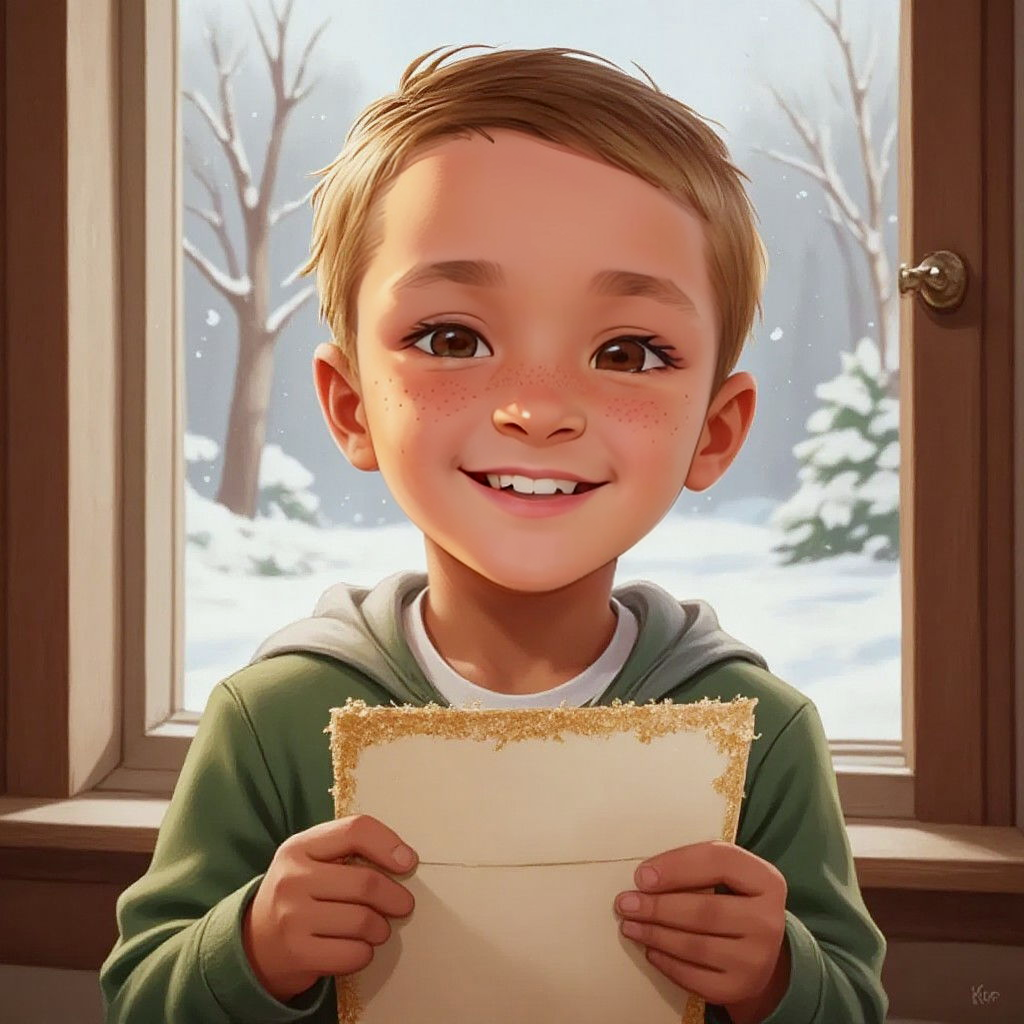
Two siblings get letter in the mail with two golden tickets. Santa invited them to his workshop to visit them. These siblings take a magically trolly that teleports them to the North Pole. When they get there they are greeted by toy soldiers who are cheerful. They help the elves make toys. They have a dance party with the elves. They make Christmas cookies with miss.clause. They attend class at elf universality to learn about being an elf. They write letters to Santa. They meet Santa and hug him. Santa gives gunnar and Hazel a stuff bear for them to keep forever. Santa tells them the secrete of Christmas. They hug Santa and say goodbye.
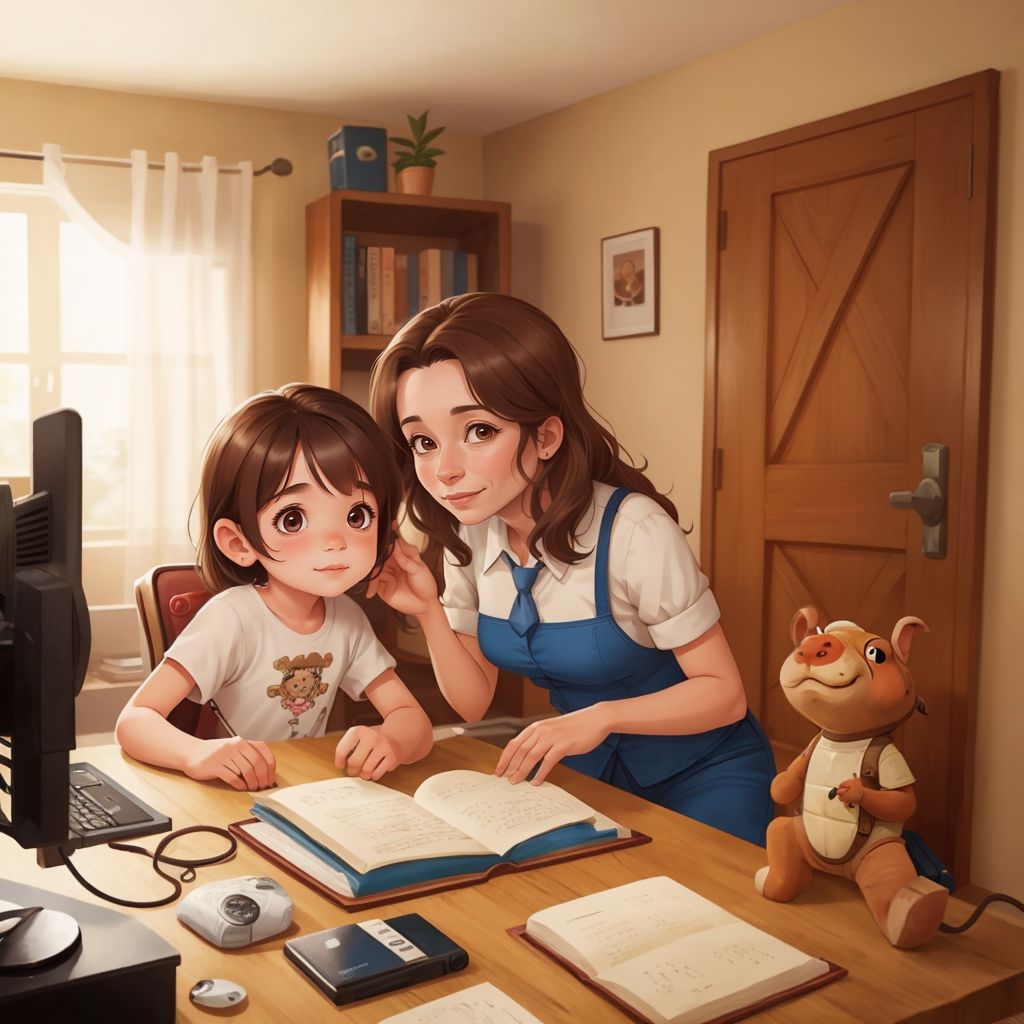
Randy is a huge human size roach that goes from door to door looking for crumbs o persuade people to let him come in . Cindy and her mom hear a knock at the door and it’s Randy the relentless roach asking if they have any crumbs . Cindy and her mom spend there days cleaning and taking care of the house and warning all the neighbors that Randy the roach is going door to door

Little african american Boy has an adventures day playing basketball outside of home, visiting the zoo with mom, reading book at library, and walking shih tzu
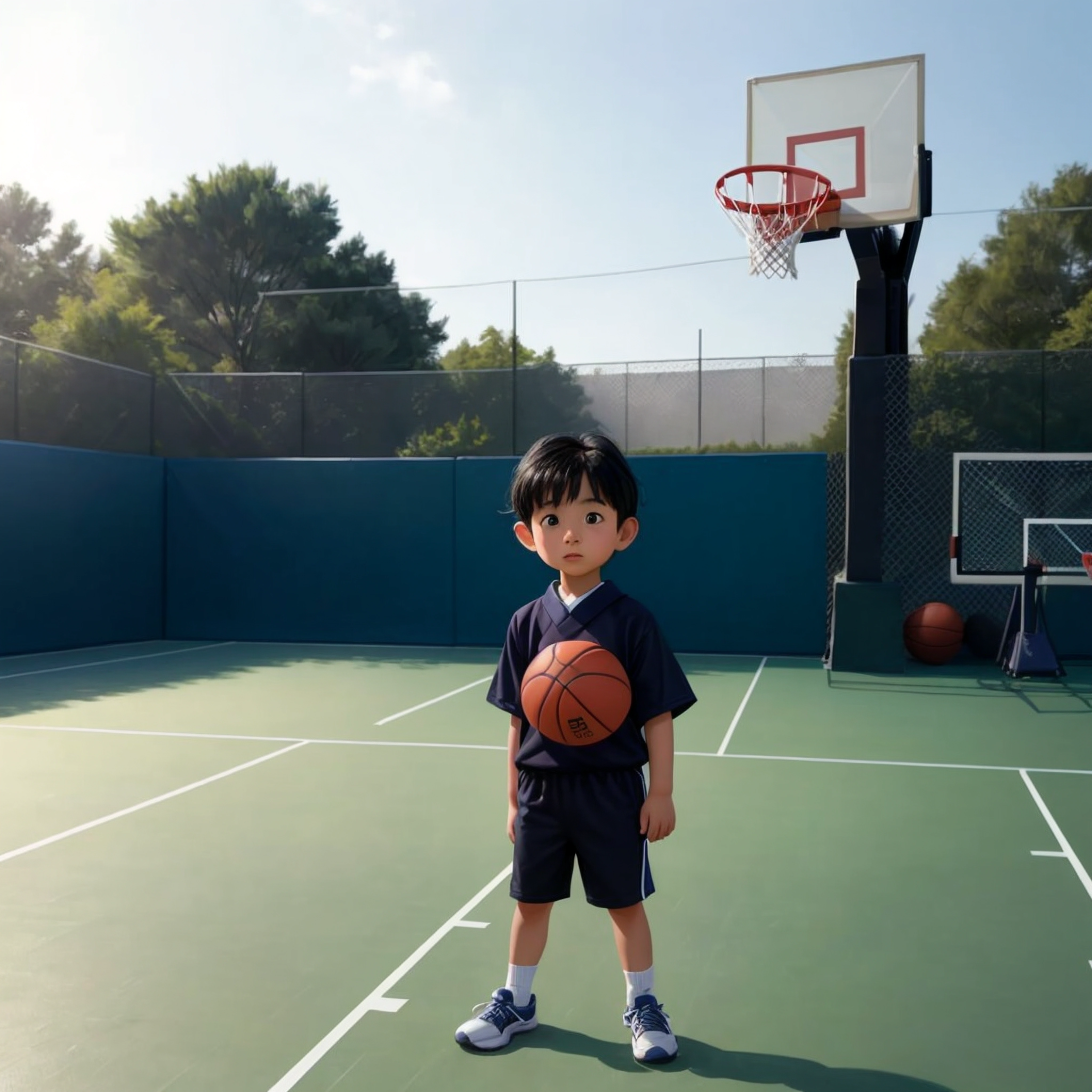
It's about a boy's struggle to succeed in basketball and be popular in an athletic school. He is 5 years old and just moved to this new school from the city.
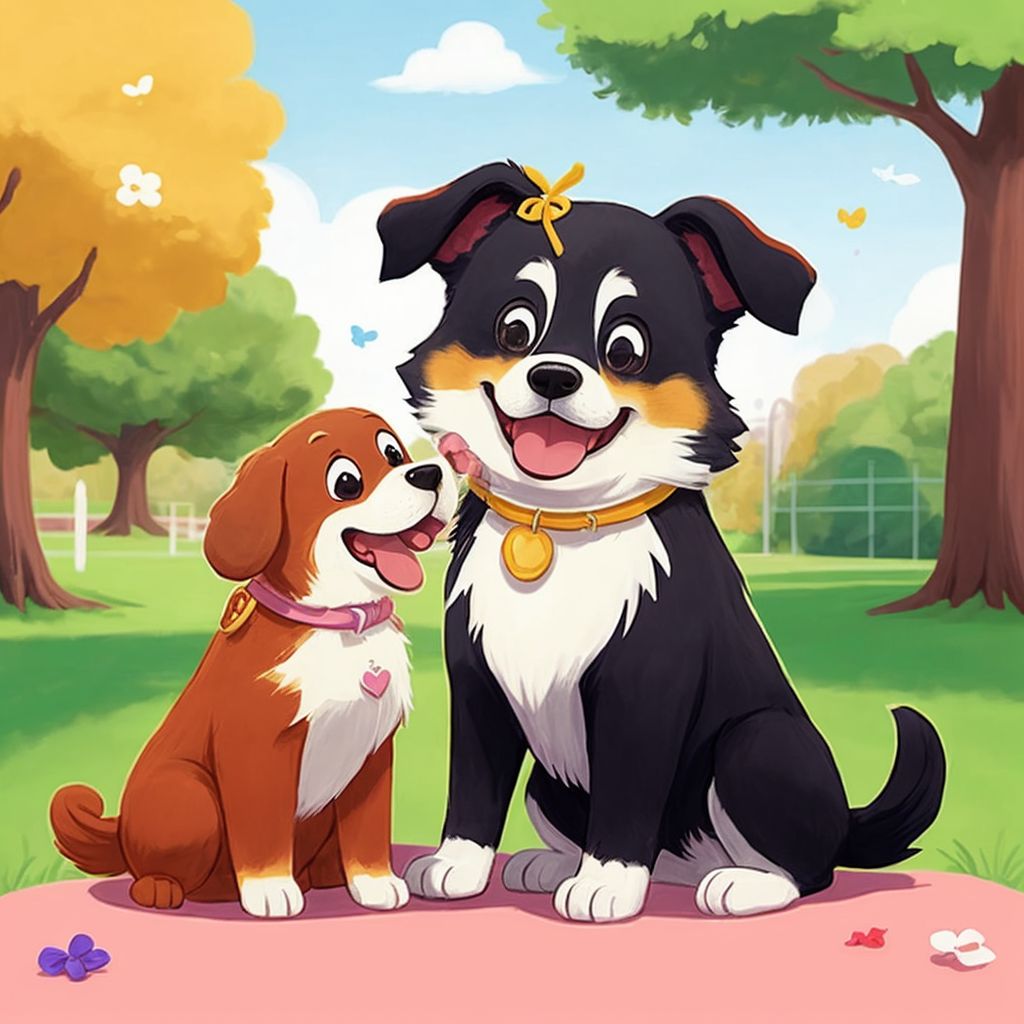
A adventurous day in the play ground
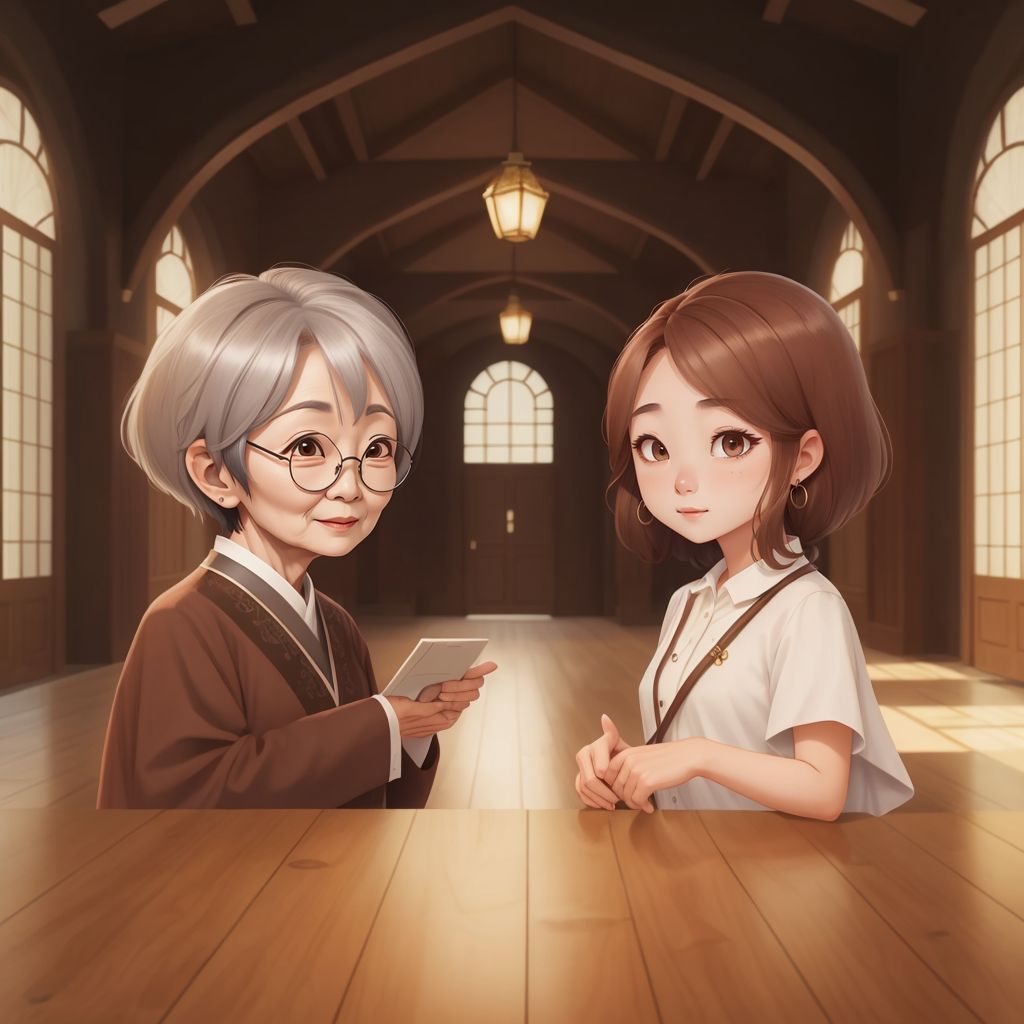
Princess Amara wants to find a husband. She has 3 criteria: He should be of noble birth (a prince). He ought to be intelligent and hold stimulating conversations. He has to be brave and stand by her side. The Duchess Beatrice sends Prince Edward, who is handsome and well-born, but lacks intelligence and finds intellectual discussions boring. Prince Frederick is the next suitor. He's brave and a skilled fighter, but has no interest in Amara's love for astronomy and finds it unimportant. Neither prince meets all of Amara's criteria. Amara helps a village from bandits and meets Leo, a scholar with no royal title. However, he is intelligent, kind, and shares Amara's interests.
working
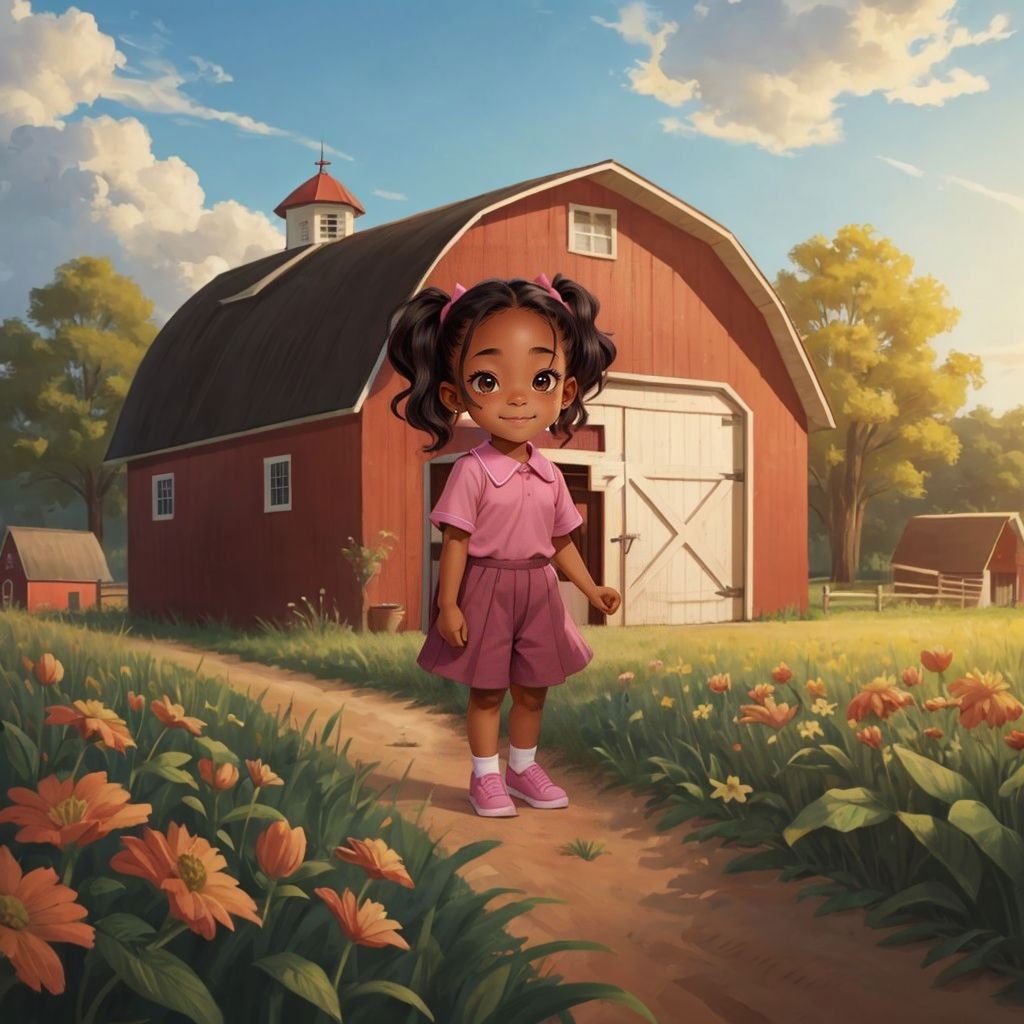
Natasha’s Big Surprise is a heartwarming children’s story about a little girl who discovers the love of a Father she never knew she had—God. Spending the summer on her grandmother’s farm, Natasha feels lonely and wishes for a father who loves her. One day, beneath a big oak tree, she hears a gentle voice speaking to her heart. It’s God, reminding her that she is never alone and has always been His beloved child. Through playful farm adventures and quiet moments of prayer, Natasha learns to listen to God’s voice, feel His love, and trust that He will always be with her. This beautifully written story is perfect for children seeking comfort, faith, and the reassurance that they are deeply loved by their Heavenly Father.
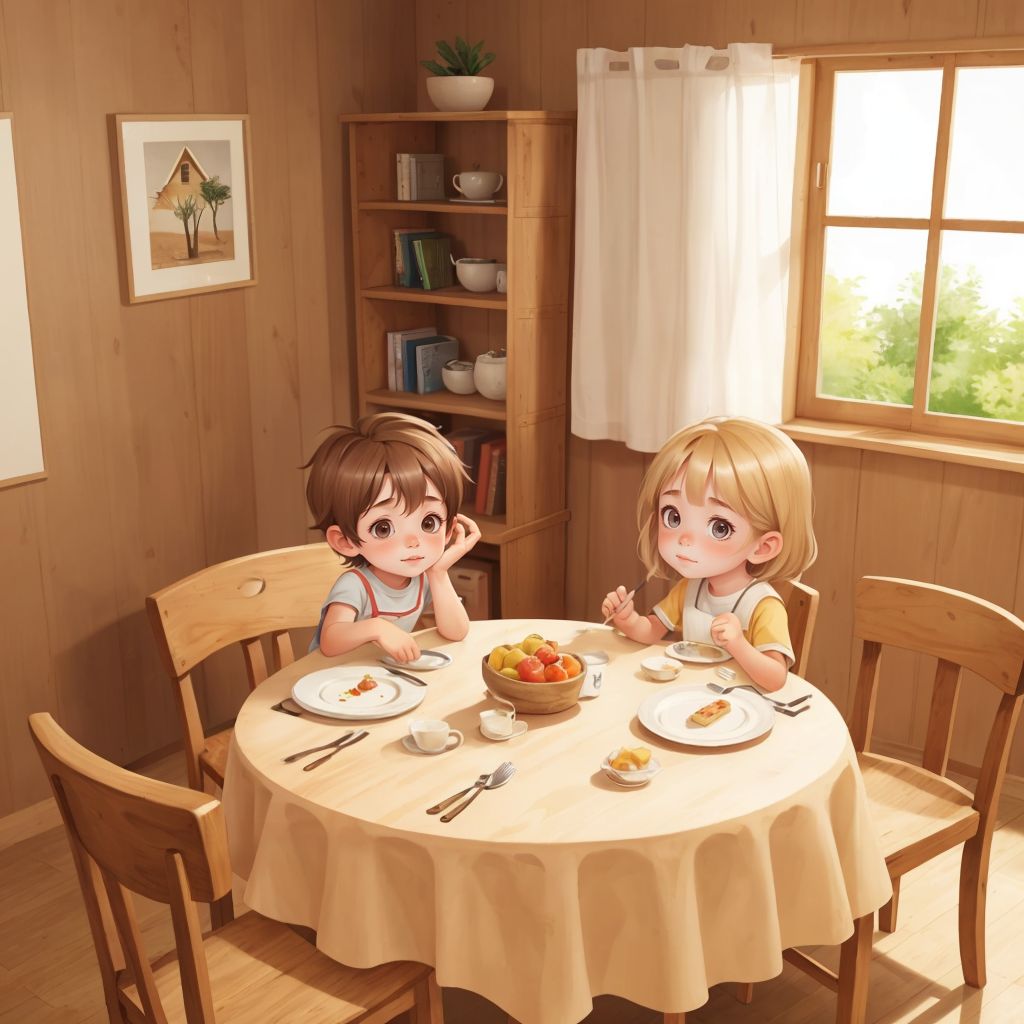
Hansel and Gretel lived with their father and stepmother in a tiny house by the forest. They were very poor and often had no food to eat.
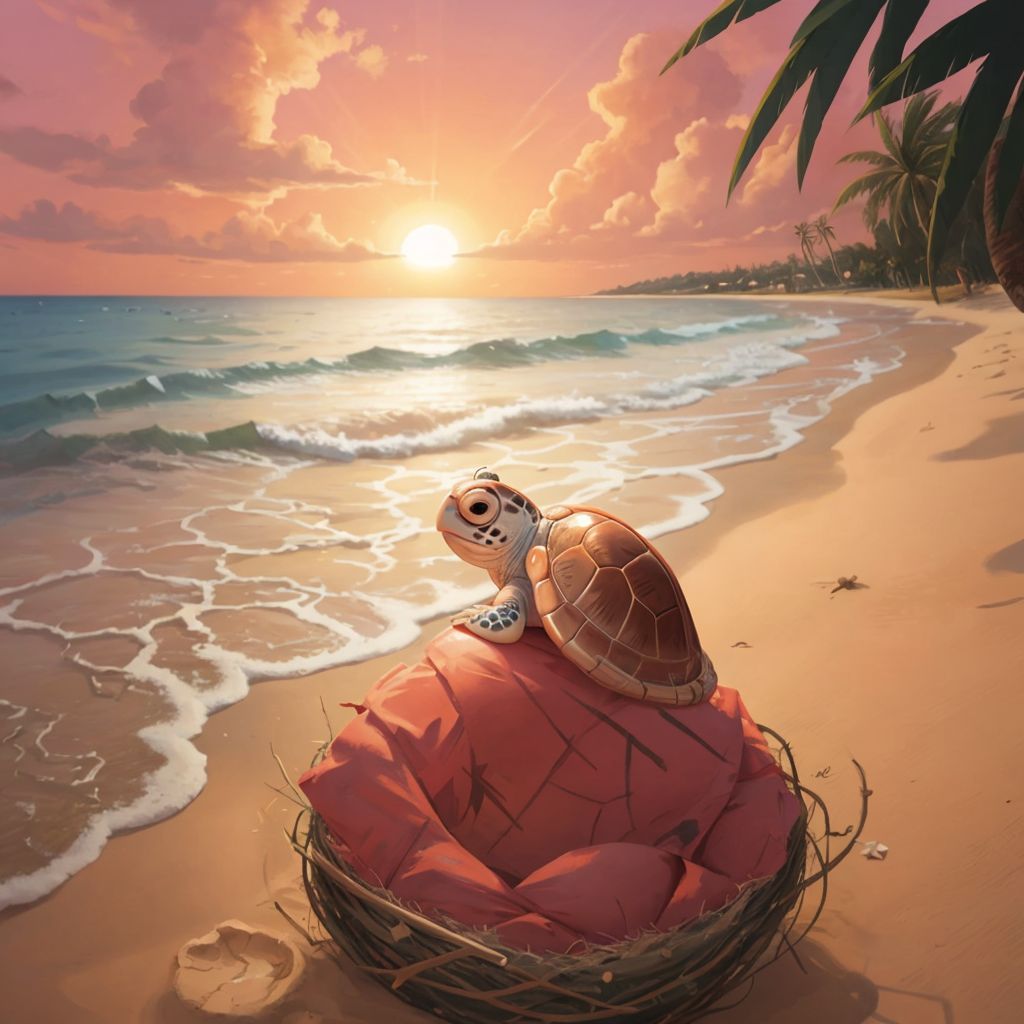
Emily the sea turtle was the last to hatch from the nest. She needs help getting to the ocean and starts her adventures.
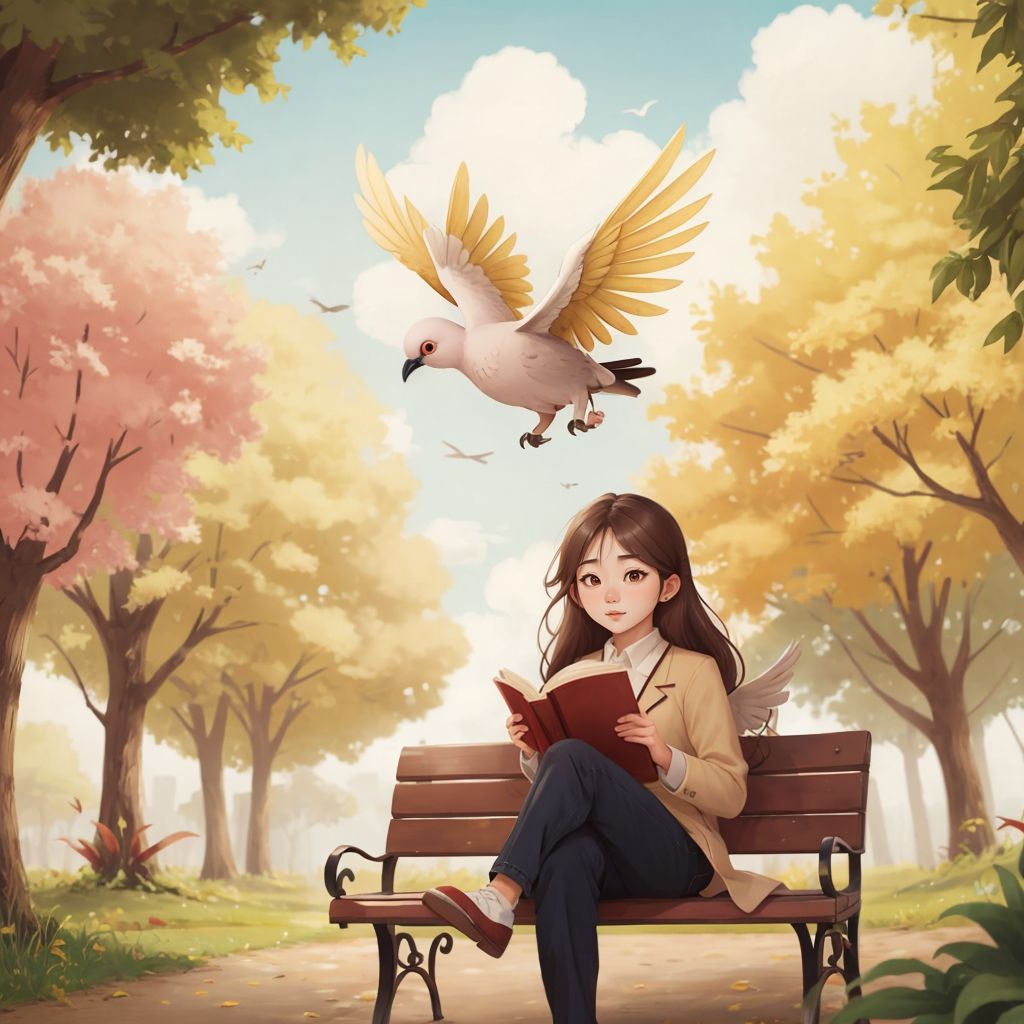
"On the Days She Flew Away: Continuing the Journey of A Lost Angel" By Mara C. Eusebio Mara C. Eusebio returns with the 2nd edition of her works titled, "On the Days She Flew Away: Continuing the Journey of A Lost Angel," an intimate collection of her original poetry. Each page takes readers through the heart’s raw landscapes, exploring the complexities of love, loss, and self-discovery. These poems capture moments of soaring joy, whispered reflections, and the quiet magic of resilience. With every verse, Eusebio weaves a journey that speaks to the universal quest for understanding and hope. Whether you’re a fellow "lost angel" seeking solace, or simply a lover of the written word, this collection offers a sanctuary of relatable emotions and introspection. Prepare to lose yourself, only to find yourself again, in the timeless art of poetry.
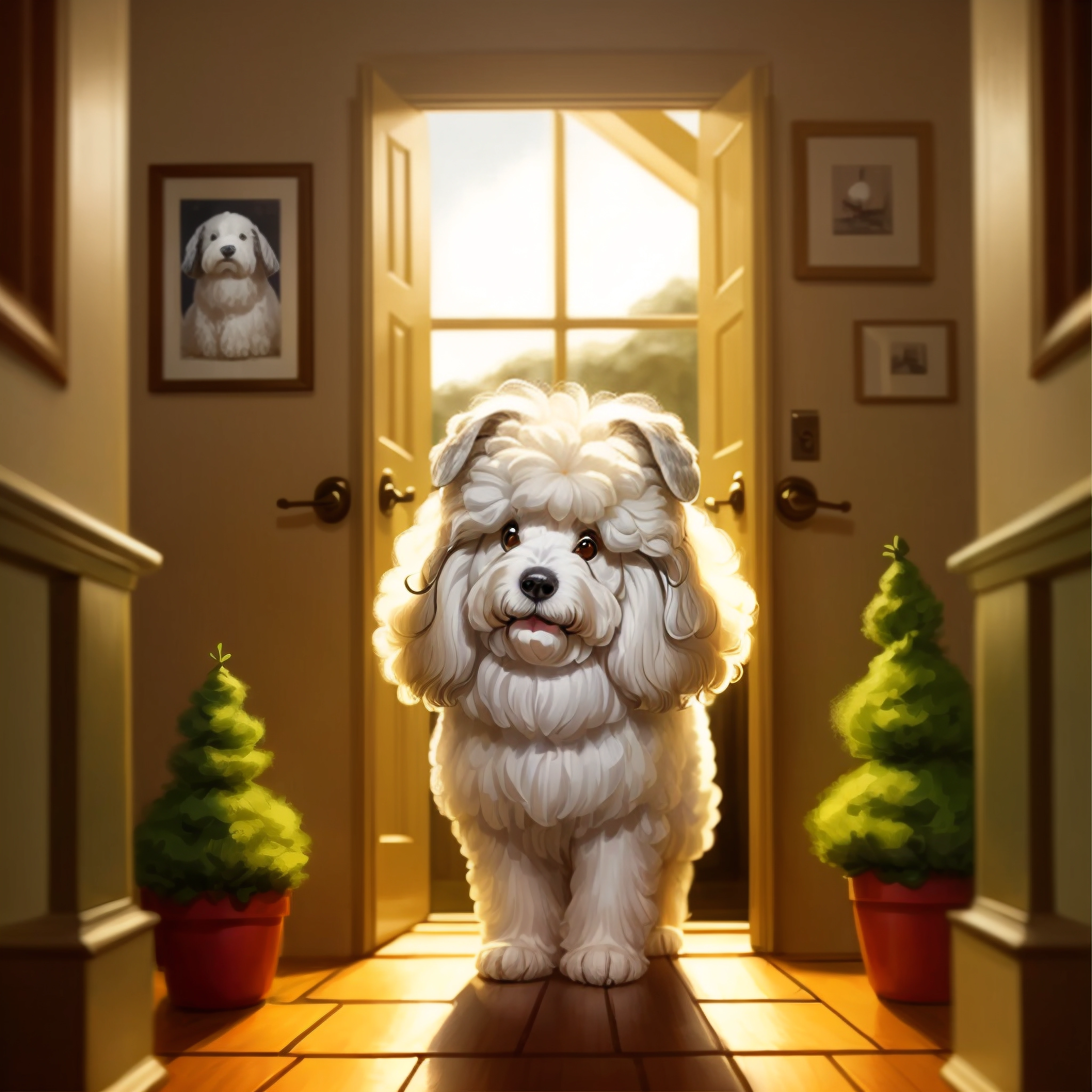
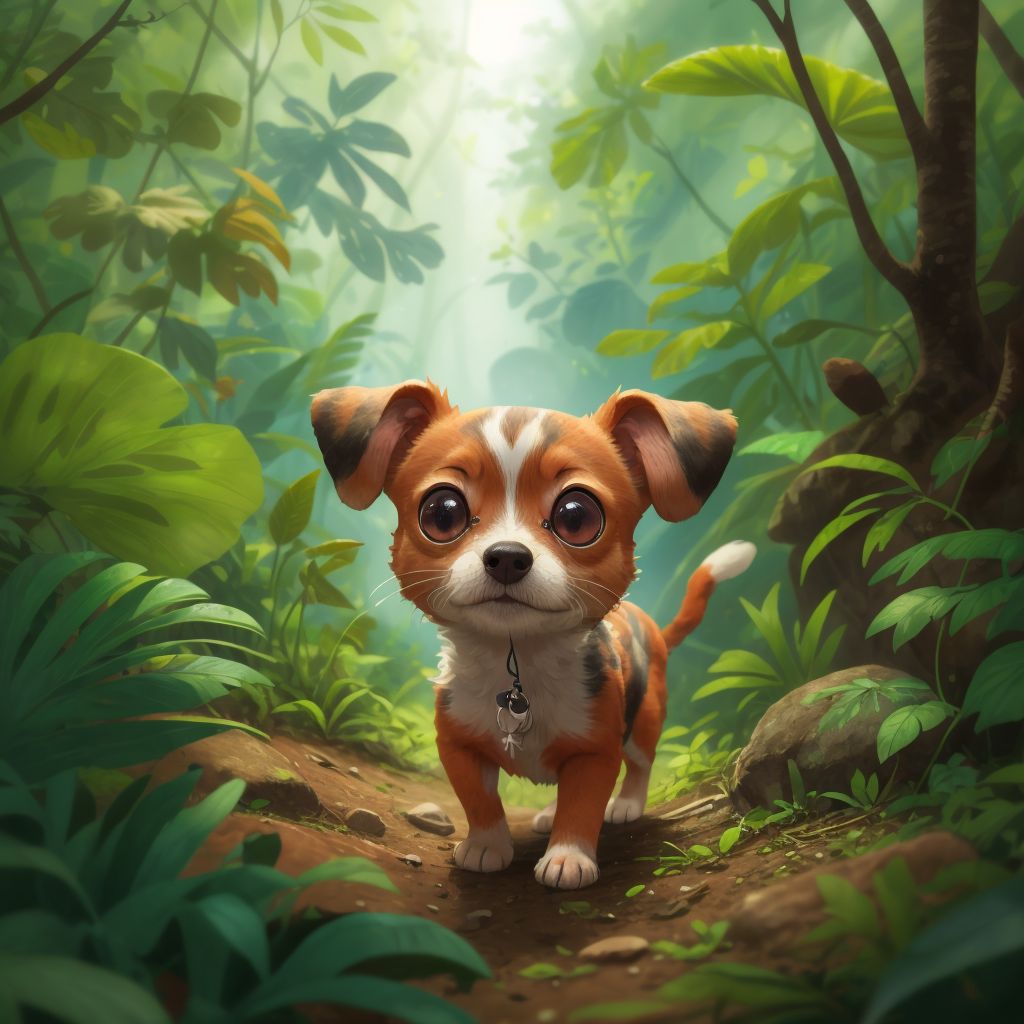
A dog, named Oscar, moves into a home with a new family and changes everything, making life both chaotic and better.
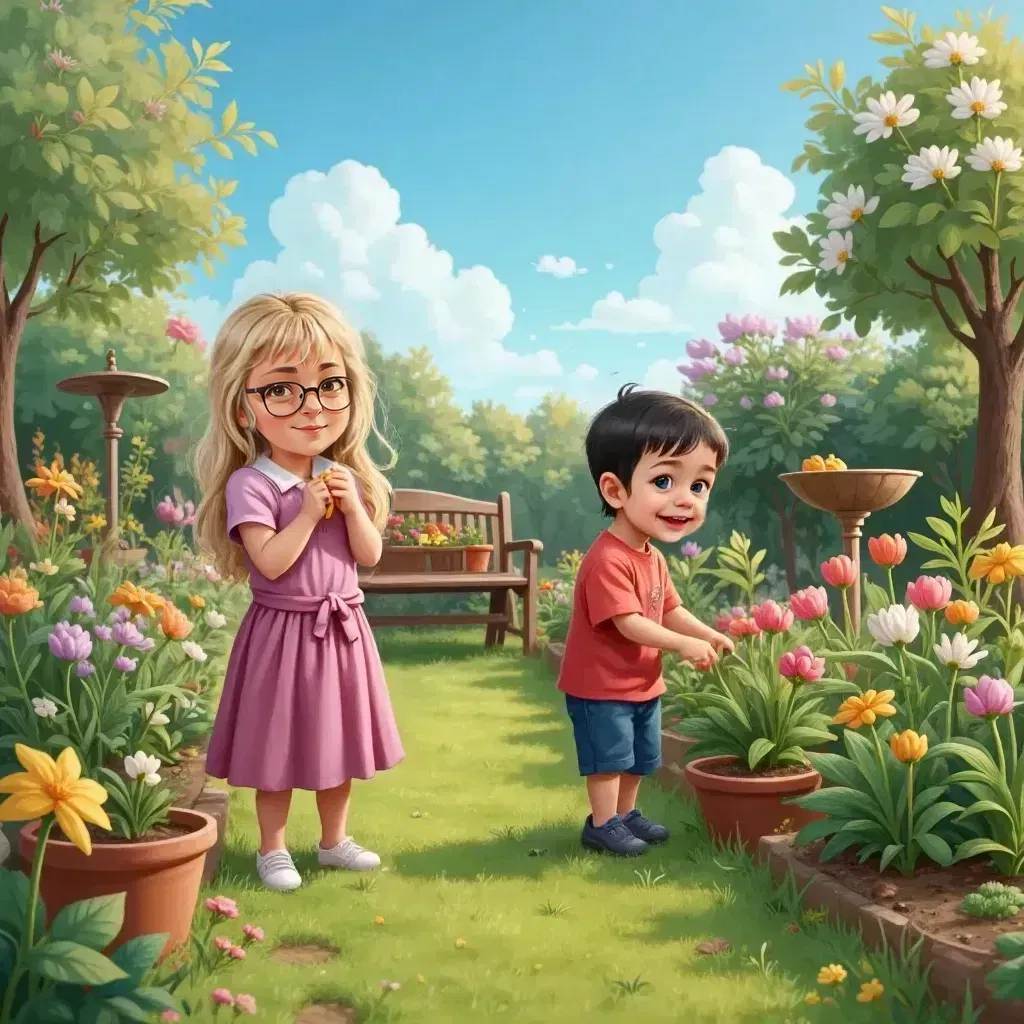
Natalia and Kingston’s Magical Garden Adventure is an interactive story where siblings Natalia and Kingston embark on a fun quest to save Granny’s wilting garden. When they discover that the magic watering can is missing, they set off to find it, choosing different paths and solving puzzles along the way.

1. Vincent is wearing a blank black t-shirt and is in the yard waving hello. 2. A green garbage truck drives down a street with one-story homes. 3. Vincent is wearing a blank black t-shirt and throws a can in a recycling bin 4. Vincent is wearing a blank black t-shirt and perches up on the fence 5. Vincent's mom smiles from the front door of their home. 6. Vincent's mom waves hello from the front door. 7. Bruno comes running out into the front yard 8. Bruno is excited to see the garbage truck. 9. The garbage man waves hello from his green garbage truck. 10. The garbage man honks his horn from the green garbage truck. 11. Vincent and Vincent's mom wave goodbye to the garbage truck. Bruno is sitting next to them.
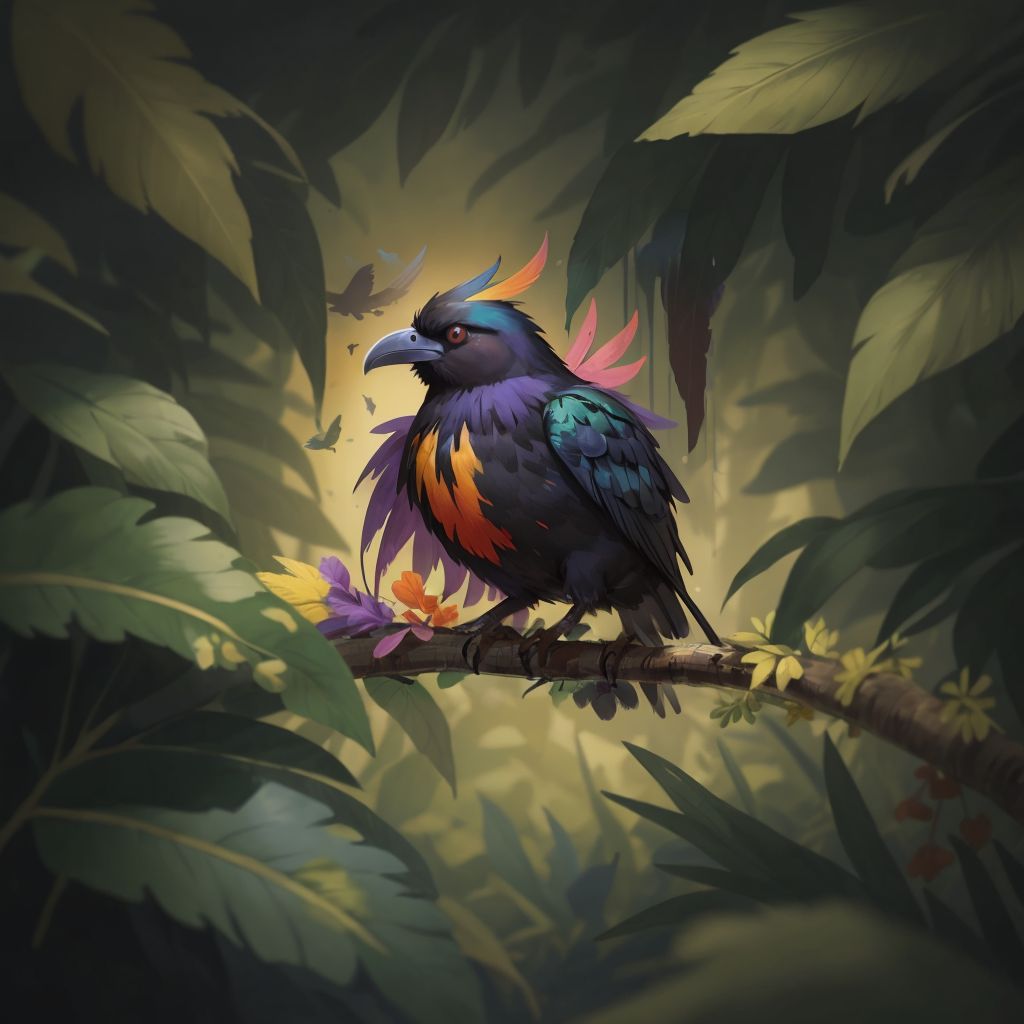
Rainbow learned an important lesson on his journey. Being different was a gift, not a burden. He understood that true friends accept you for who you are. Rainbow's heart was full of happiness and love. He promised to always help others find their place. The forest was now his home, and he was never alone. Rainbow's story spread far and wide, inspiring others to embrace their uniqueness. And so, the Multicolored Raven lived happily ever after.
Lion and dog