

 Start Read
 Recommend
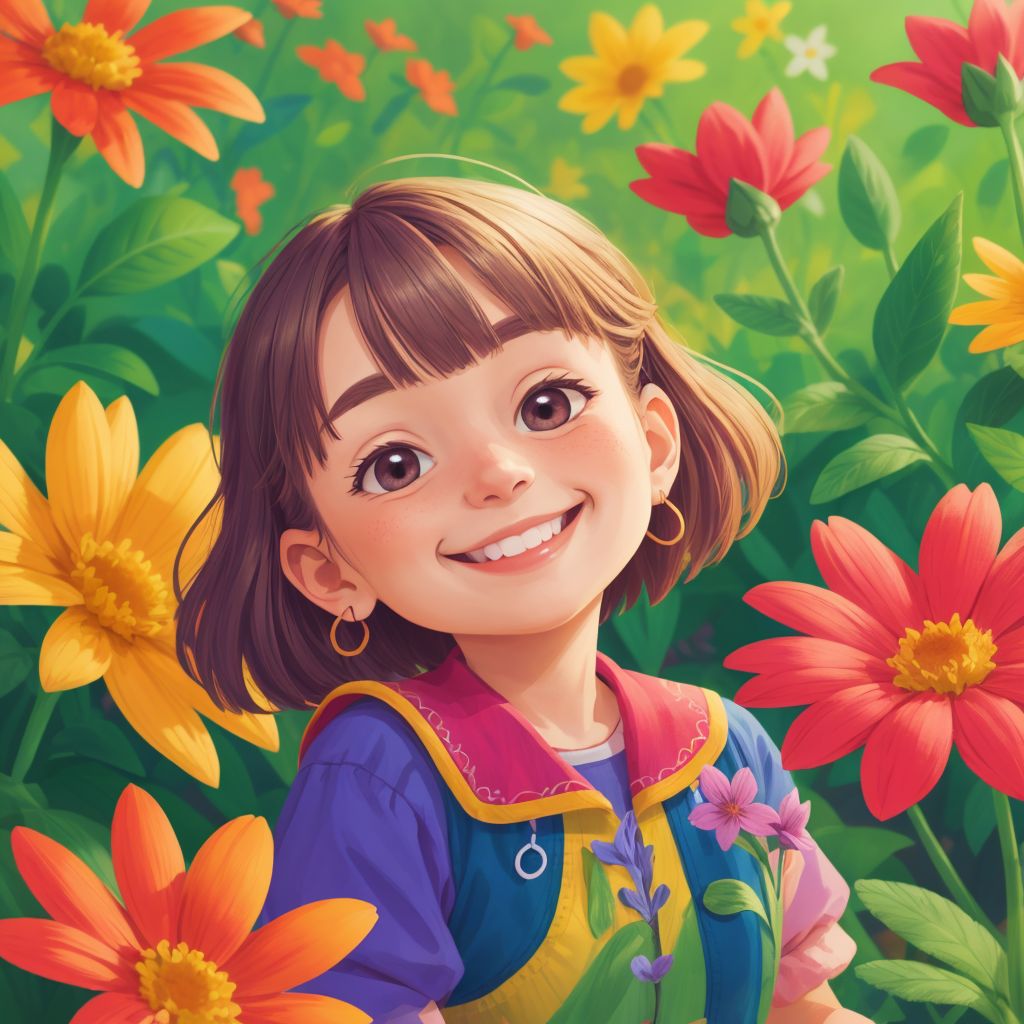
sage loves flowers but one day flowers stared to follow her were ever she gos

**Page 1** Today is the day for the school trip! Jack, Lily, and Emma are excited and ready to go. Their destination is the mysterious Lung Yeuk Tau, where many interesting stories await. **Page 2** The three friends hop on the bus and see beautiful mountains along the way. Jack tells everyone that the mountain at Lung Yeuk Tau looks like a dragon jumping, which is really amazing! **Page 3** When they arrive at Lung Yeuk Tau, they see the old walled village. The walls are made of blue bricks, and the narrow entrance makes the kids curious. **Page 4** Emma points to an ancient well and says, “This well is where villagers get their drinking water, and it has many stories!” The kids gather around the well, listening carefully. **Page 5** They visit the Tin Hau Temple and see the shiny statue of the goddess. Lily says, “This is Tin Hau, who protects the villagers. Everyone comes to pray to her.” The kids bow their heads in respect. **Page 6** At the Song Ling Tang (the ancestral hall), they see old plaques and carvings. Jack says, “This place honors the ancestors of the Tang family. It really feels historical!” **Page 7** The kids listen to villagers tell stories about Lung Yeuk Tau, especially the legends about pirates. They imagine how brave the villagers were to protect their homes, feeling really impressed. **Page 8** As the trip ends, Jack, Lily, and Emma go home with lots of memories. They promise to share the stories of Lung Yeuk Tau with more friends, so everyone can cherish this cultural treasure!
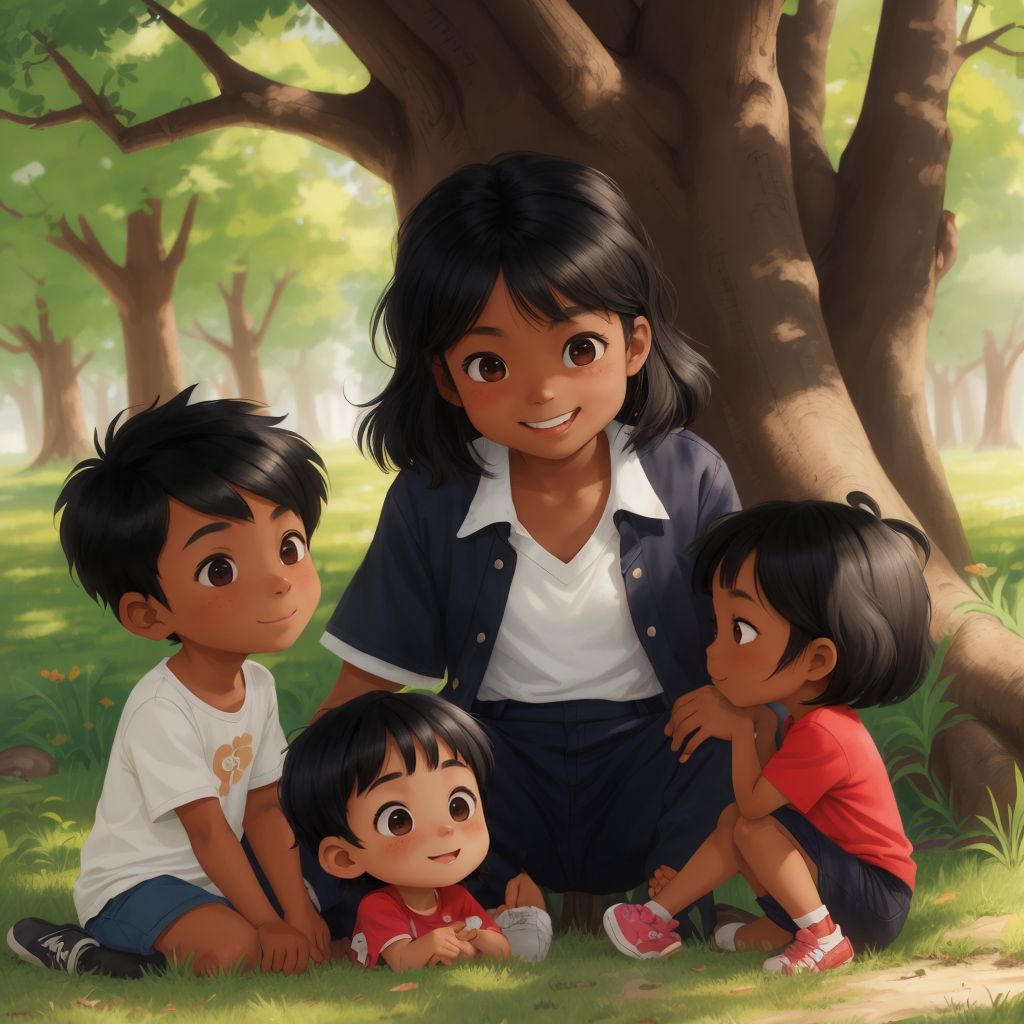
This captivating series introduces a group of kids, each with a unique ability that the world sees as ‘weird.’ Through their adventures, they discover the strength in their differences, tackling community challenges and fostering understanding and empathy. With each story, readers learn the importance of embracing their own uniqueness, the power of teamwork, and the value of looking at problems from multiple perspectives. Vibrant illustrations complement the tales, making each lesson engaging and memorable. here’s a recap of the character names for “Weirdly Wonderful: The League of Uncommon Heroes”: • Luna: The imaginative artist whose sketches bring change. • Eli: The puzzle solver who sees order in chaos. • Tia: The storyteller whose tales bind and enlighten the group.

Ding Dong! The Big Ben ranged exactly 12 times,it’s midnight.On the border of Northern Ireland, there was a huge plane flying on top of it, in the plane, sat an 11 years old boy named Happy, he was here for summer holiday. Beside him, sat his mom Danni, who is watching a movie called “Space Dogs”on the tiny television in front of the seat,and dad who is snoring in the seat. They are here to visit their old friend. After,30 minutes, they had arrived at the airport and have already started waiting for luggages. On the big television, it was reporting about the big church of Jesus that has been burnt into scraps in Paris. Finally, their luggage's has come and been pulled into the car that’s waiting for the family. Then the driver said "First stop, London Bridge!” Ding Dong!There’s the Big Ben again,it’s 5am in the morning and the family was right on the London Bridge, the sun rises as they went past the bridge. there was an earth quake and big ben came down

Taylor is never wrong. Taylor does not like her things moved. Taylor must have her routine. Taylor likes to return things.
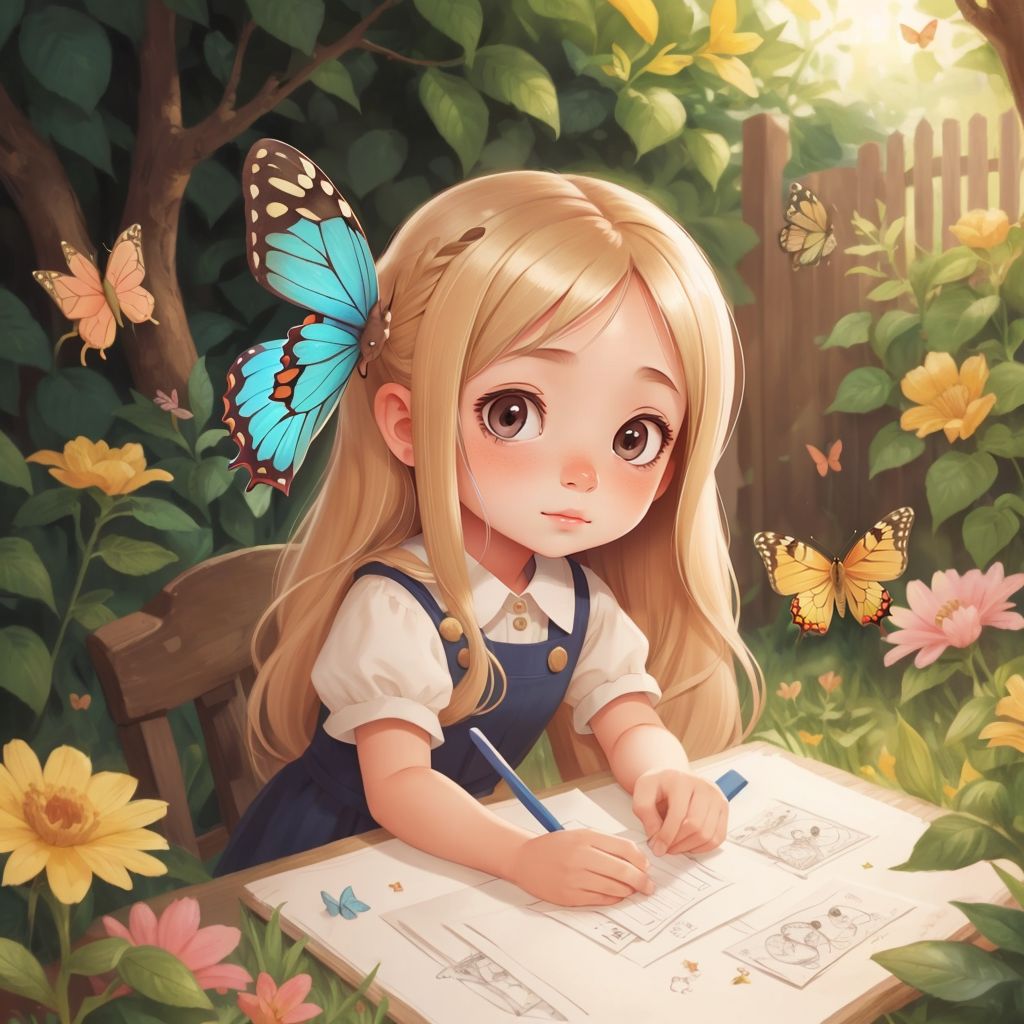
the girl have a power to create here drawing in real life
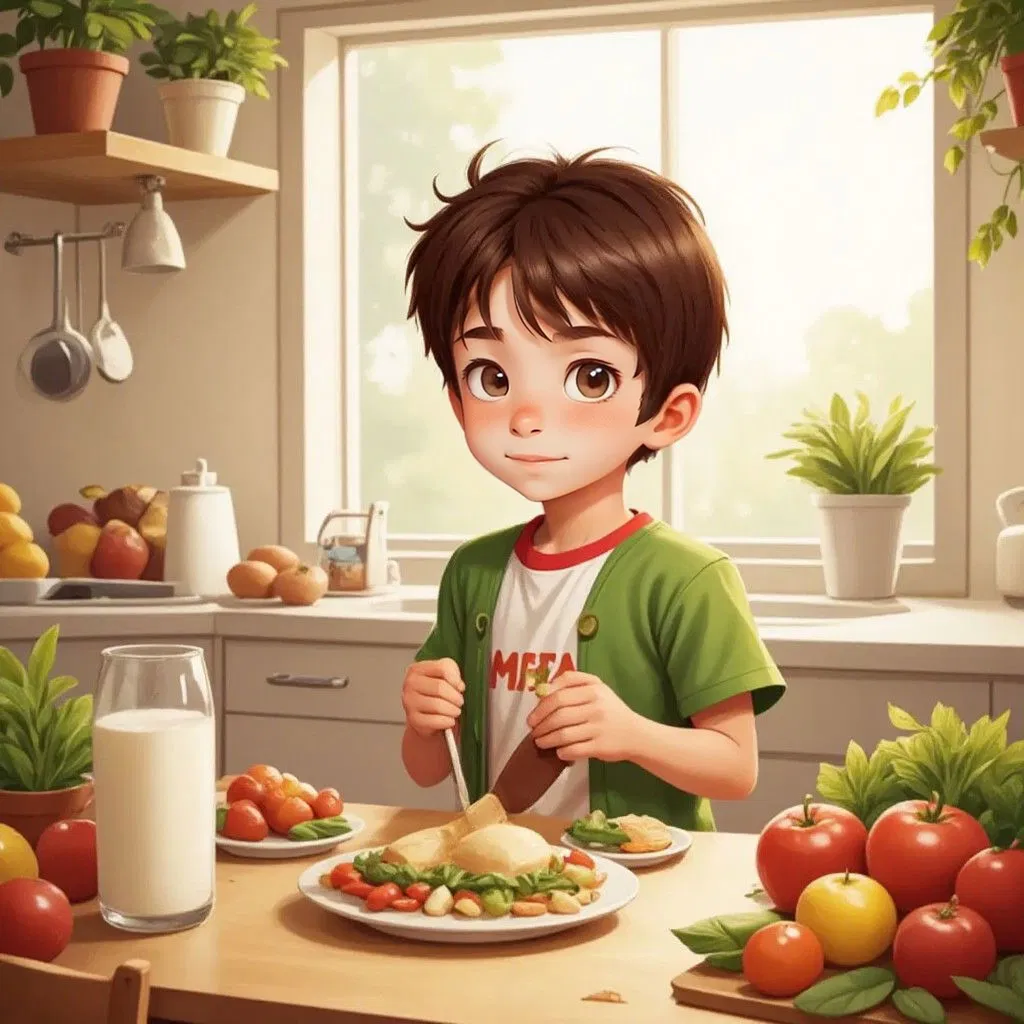
Once upon a time, in a cozy little house, lived a curious child named Sam. One sunny morning, Sam decided to have a kitchen adventure. First, Sam opened the fridge and found fresh eggs, milk, and a bunch of colorful vegetables. With a big smile, Sam thought, "I'll make a yummy omelette!" Sam washed the vegetables in the sink, then used a knife to carefully chop the red tomatoes, green peppers, and leafy spinach on the cutting board.

Tahun ini ramadhan terasa begitu lama, sebab biasanya di tahun-tahun lalu selalu ada yang menemani Arin menunggu bedug maghrib

One day, a boy named Peter Parking Sloth went to the park to see his new dog. Suddenly he saw a blind man who wanted to go to his house. Peter felt pity for him. He helped the blind man to cross the road. The blind man held Peter’s shoulders and walked behind him. They crossed the road together to the other side of the road. The blind man finally said, “Thank you, young boy.” “You’re welcome,” Peter replied pleasantly. Peter felt like being helpful was good. Peter continued walking to the park to find his dog, Moder. Moder is a husky. Peter saw Moder and hugged the white and brown big husky. In the park, Peter met his father’s friend. He was Mr. Alex, who was the owner of Moder. When Peter was about to leave the park, Mr. Alex called him and gave Moder to him. Mr. Alex said pleasantly, “Please take good care of him.” Peter gladly replied, “I promise to take good care of this lovely dog.” Peter headed home happily.

Child challenges of becoming a professional soccer player. On a soccer field Over come challenges

Nestled within the pages of this charming picture book lies the heartwarming story of Betty and her dearest friend, Twinkle. Set in a cozy cottage atop a sunlit hill, their tale unfolds gently, inviting young readers into a world where friendship knows no bounds. With tender prose and delightful illustrations, "Twinkle's Promise" follows Betty's journey from solitude to companionship, guided by the reassuring presence of Twinkle, her cherished doll. Together, they embark on enchanting adventures, discovering the joy of friendship amidst the beauty of nature. Perfect for pre-K children, this book celebrates the power of courage, kindness, and the magic of childhood friendships. Join Betty and Twinkle on their heartening quest, where every page is filled with wonder and the promise of endless fun. "Twinkle's Promise" is a treasure to be shared, cherished, and revisited time and time again—a timeless story of love and friendship for the littlest of readers.

When the entire memory market crashes, Elia stumbles upon a hidden memory fragment that could hold the key to a vast conspiracy. As she delves deeper, she uncovers a truth that could rewrite history and change society forever. However, powerful forces want that memory buried, and Elia finds herself on the run for her life.

An exciting adventure through mysterious lands where courage, friendship, and quick thinking are put to the test.

This story tells the tale of how Cristiano Ronaldo overcame poverty, personal struggles, and setbacks to reach his dream of being a professional football player.
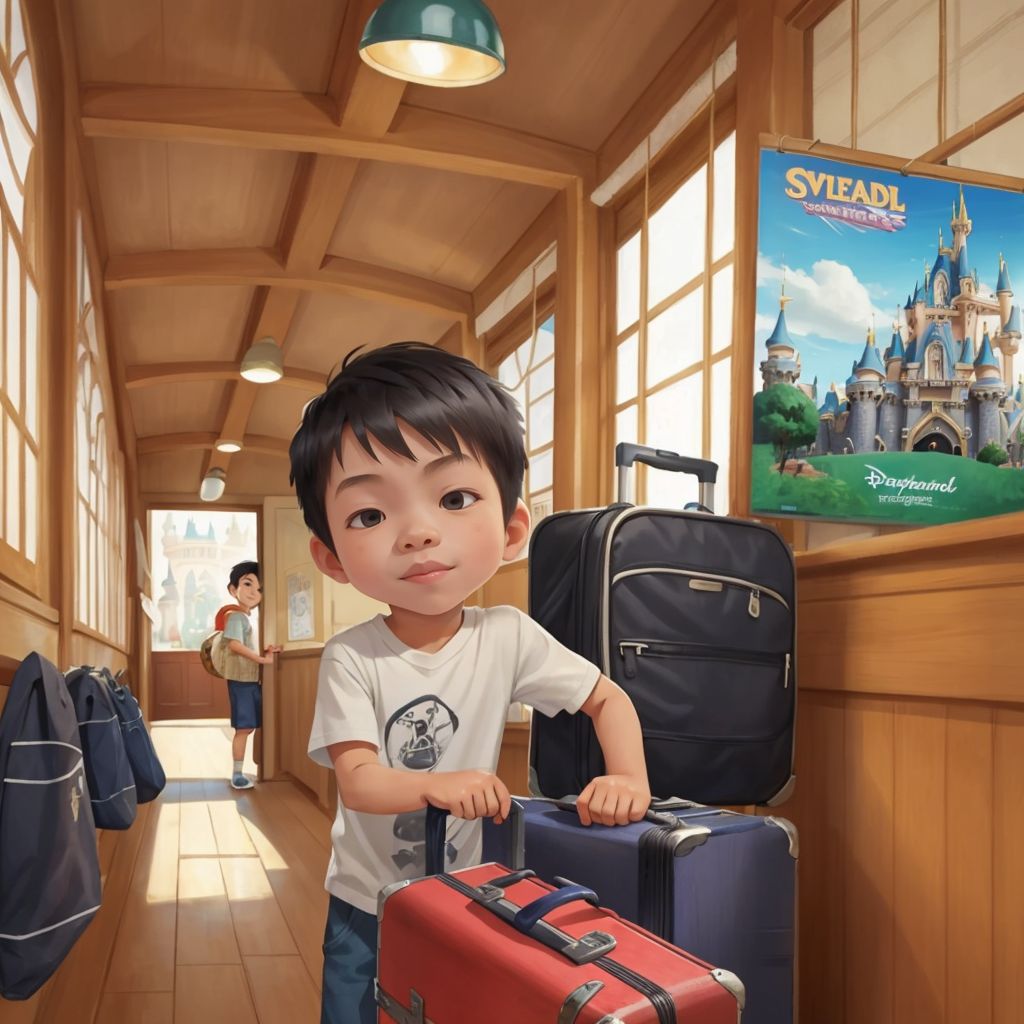
Theo travels from Hong Kong to Japan. He wants to go to Disneyland
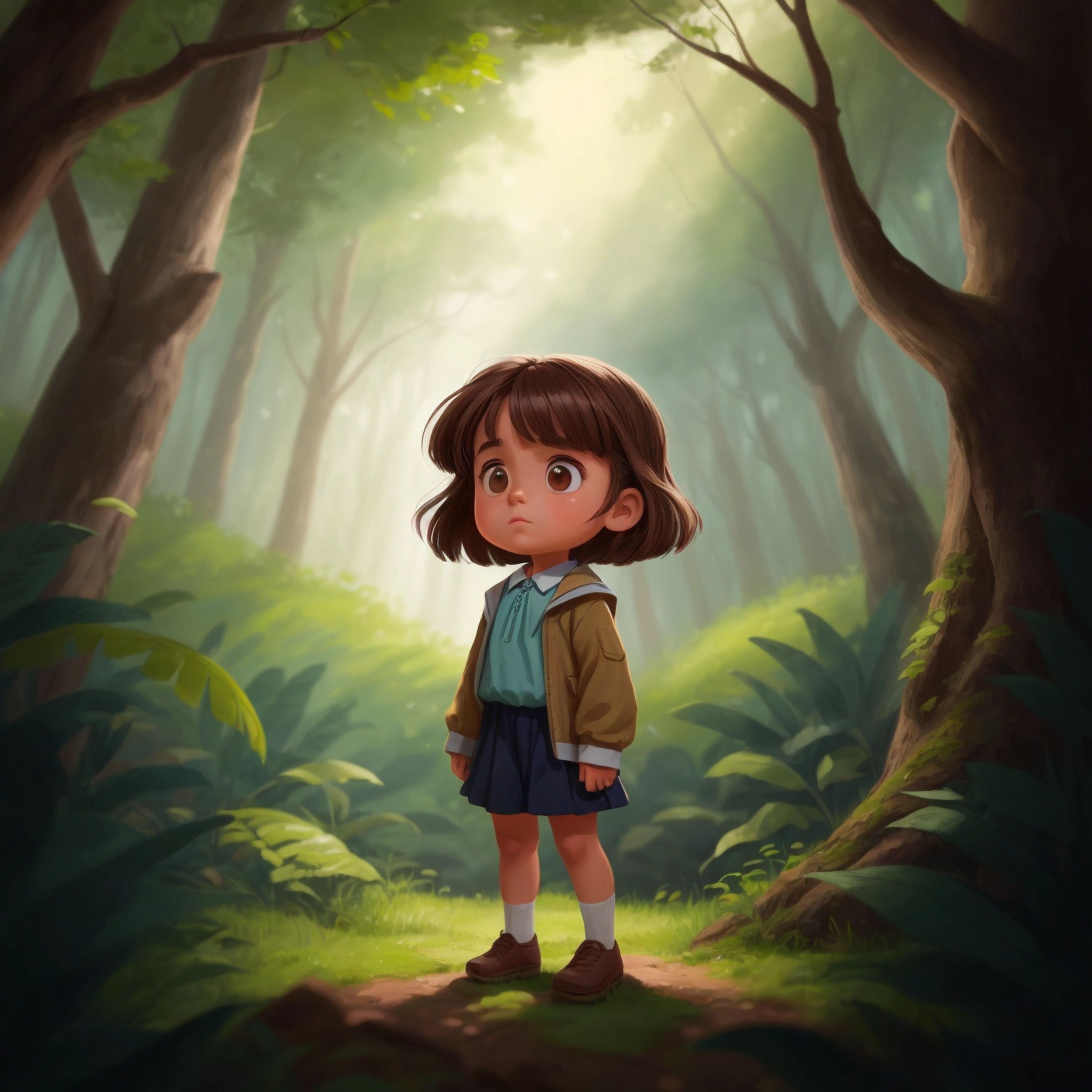
A brave princess explores the scary forest, and finds a lonely wolf who just wants friends
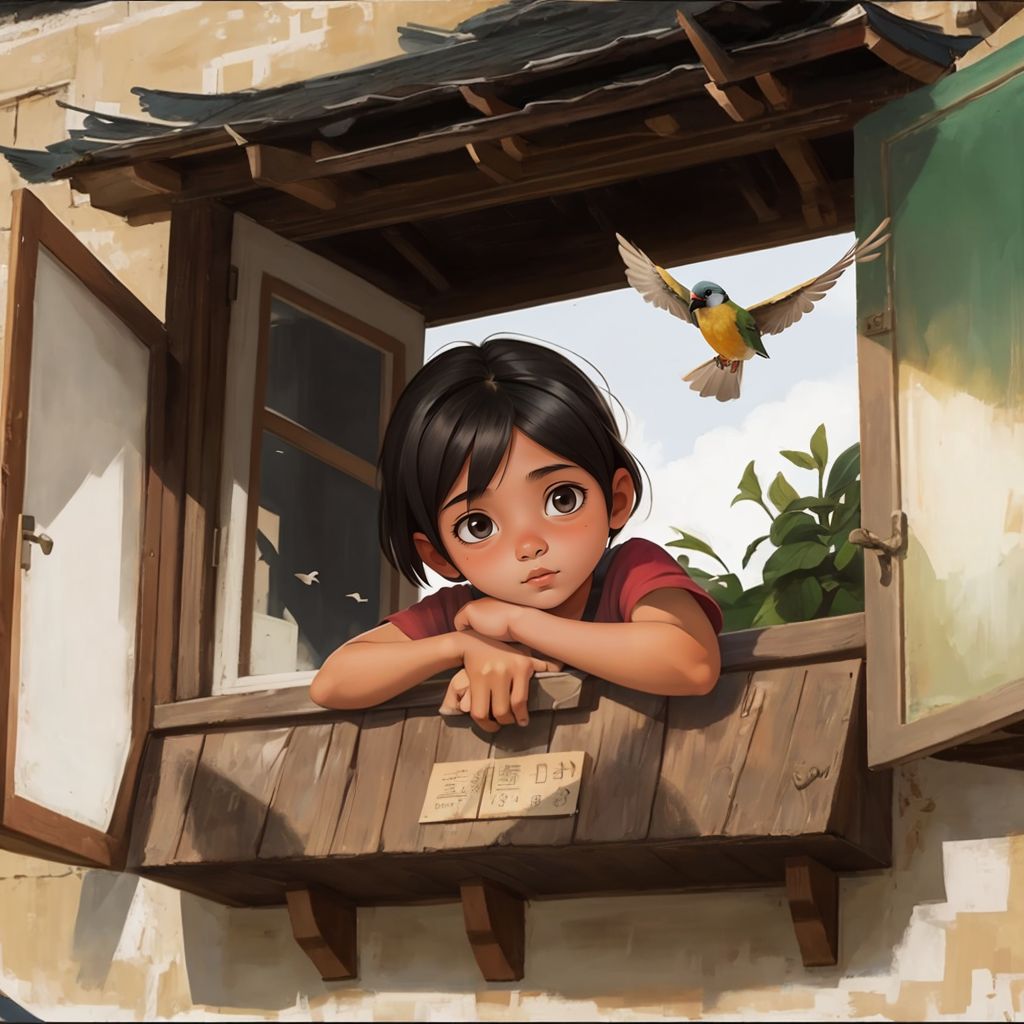
Ada smiling with her family—Mama, Baba, her brothers Chike and Kunle, and their playful kitten, Biloongra.

"The Day I Met My Worry" Include Written by Abbi Klein, girl is young maybe around 11 ish and has brown wavy hair and cute pink glasses and a green worry monster When a smart, sensitive girl starts feeling overwhelmed by her emotions, she discovers Bob, the Worry Monster, sitting on her shoulder. Rude and loud, Bob sounds his siren during panic attacks and tries to take control of her thoughts. Through therapy—and maybe medicine—she learns that Bob isn’t there to hurt her but to protect her, even if he’s clumsy about it. As she grows stronger, Bob’s bright colors fade, and his voice quiets. He never fully leaves, but she learns to live with him by her side without letting him take over. This heartfelt story explores childhood anxiety, thought traps, and the journey to understanding that anxiety isn’t an enemy—it’s a misunderstood protector.

Once upon a sunny day in a coastal town, a curious girl named Lily heard a whisper calling her to the beach. She followed the sound to the ocean, where a friendly dolphin named Finn appeared, offering a magical underwater adventure. Lily hopped onto Finn's back, marveling at coral reefs, playful seals, sea turtles, and a shy octopus. They encountered a majestic humpback whale whose song filled Lily with wonder. Finn led Lily to a hidden cave of seashells and pearls, where she chose a special seashell as a memento. Reluctantly, they surfaced, and Lily, grateful for the journey, returned to the beach. From that day on, Lily cherished her memories and understood the importance of protecting the ocean. She went home, ready to share her story and inspire others to appreciate the wonders beneath the waves.

Er was eens, in een koninkrijk ver weg, een prinses genaamd Aicha Sofia. Ze was bekend om haar wijsheid, haar moed en haar vriendelijkheid. Haar ogen glansden als sterren, en haar hart was puur. Ze woonde in een prachtig paleis aan de rand van het magische Bos van Eldoria, een plek waar de bomen fluisterden en de lucht altijd vol avonturen was. Op een zonnige ochtend, toen de lucht helderblauw was en de vogels vrolijk zongen, werd Aicha Sofia verrast door een bezoek van haar neefje, Adam. Adam was een nieuwsgierige jongen, met een scherp verstand en een enorme energie. Hij was altijd op zoek naar nieuwe geheimen om te ontrafelen. Aicha Sofia vond het heerlijk om met hem tijd door te brengen, maar vandaag was er iets anders.