
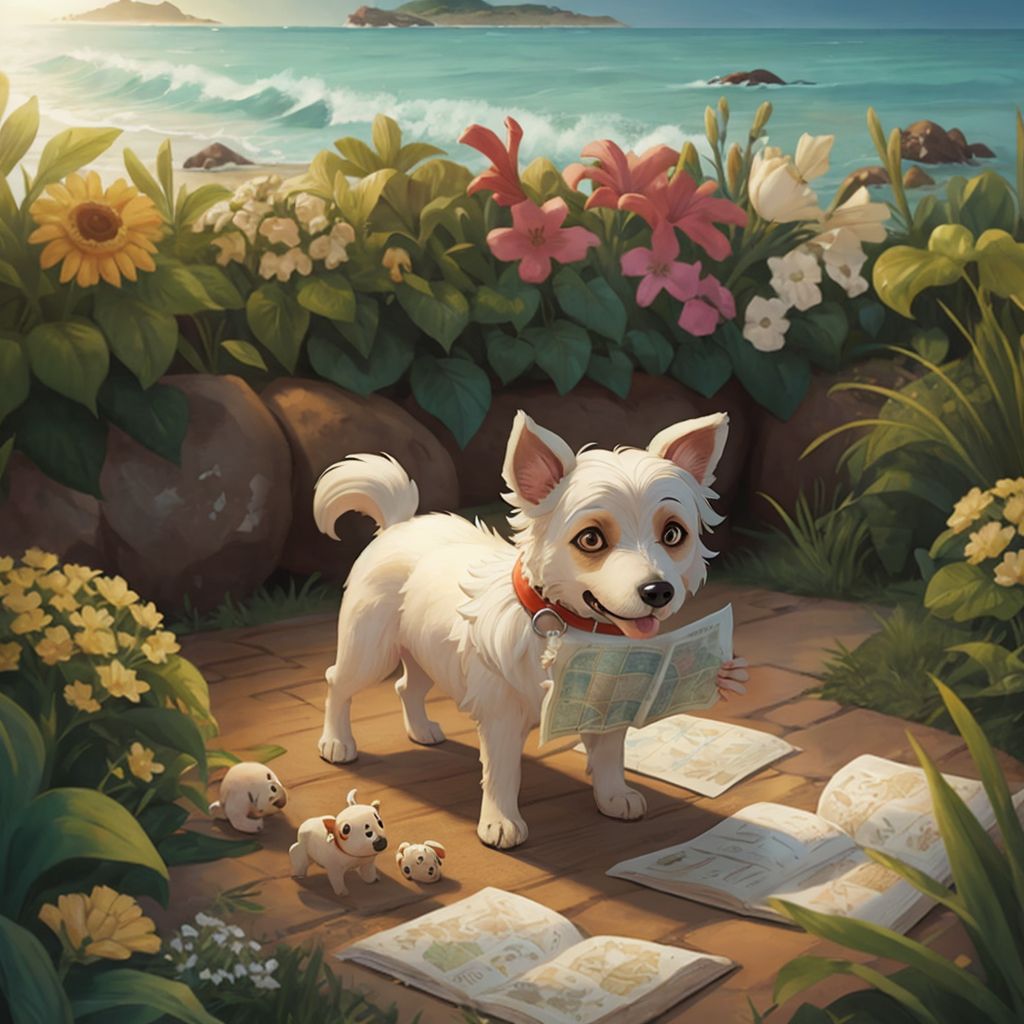
 Start Read
 Recommend

My daughter is 5 and her name is Kayleigh. She has autism and speech delay, but she is now starting to talk after being non verbal her entire life. I want to encourage other little kids to never give up. Autism and speech delay looks different for anyone dealing with it. You are amazing inside and out and you should always believe in yourself. Kayleigh began using a speech program on her ipad at the age of 3. She's been in ABA therapy since she was 2.5 years old and Speech, Occupational, and Physical therapy since 6 months of age. She's overcome many challenges but she is smart as a wip. She communicates very well with approximations and sign language and has very good receptive language. Kayleigh is such a bright little girl who has a heart that is full of love. Her and her mommy are best friends and love to sing together while listening our favorite Beyonce' song "Energy". She loves bubbles and also driving her 5 electric cars/jeeps. She also loves her pets Bella and Milani.

Clocky, the curious little clock, had a messy bedroom. His books were scattered on the floor, his clothes were strewn across the bed, and his toys were all over the place. It was a sight that made Clocky's gears spin with frustration. One day, Clocky's friend Ticktock came over to play. As soon as Ticktock saw the cluttered bedroom, he wrinkled his hands and said, "Clocky, your room is a mess! How can you find anything in here?" Clocky looked around sheepishly, realizing that Ticktock was right. He had been careless and had not taken good care of his belongings. "You're right, Ticktock. My room is a disaster. I can't even find my favorite toy," he admitted.
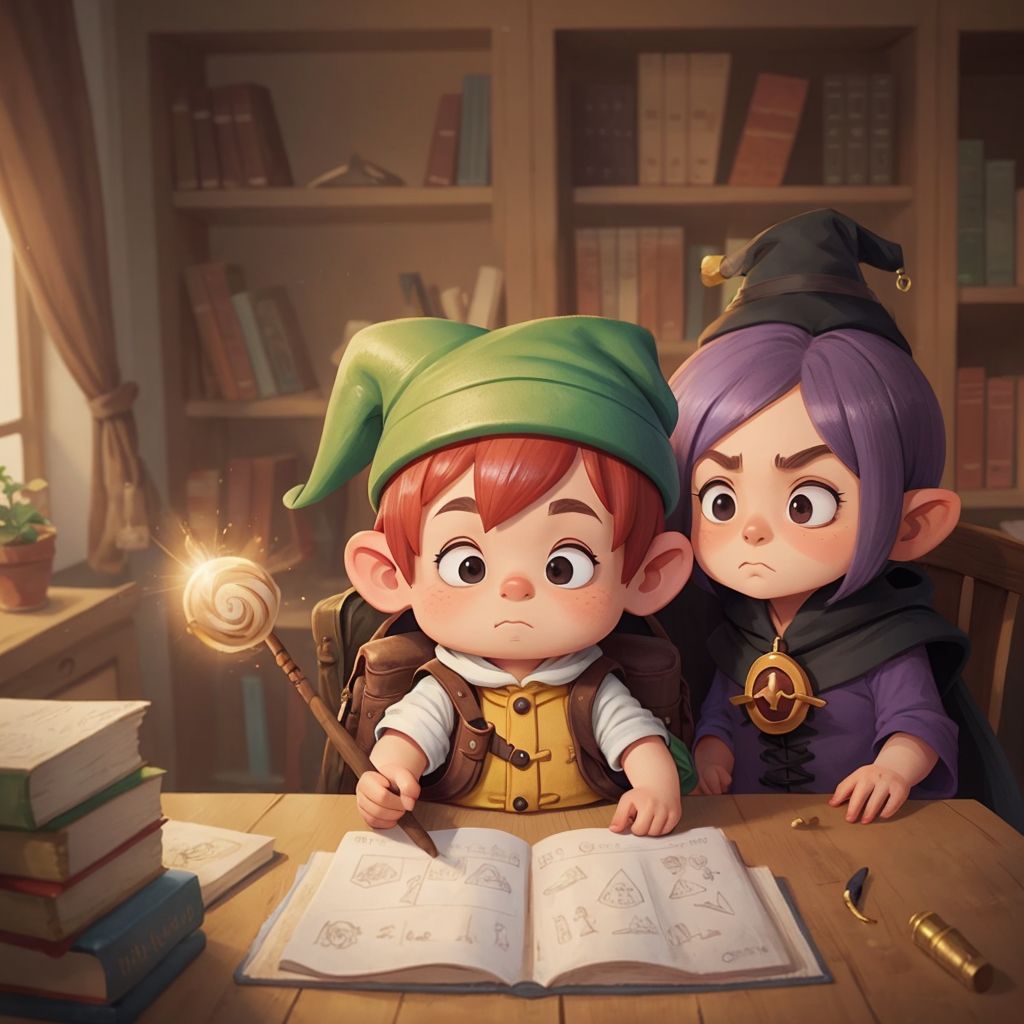
In Gnome school a little baby Gnome cheated on their math polynomial test. He suddenly gets teleported by a witch into a forest. The forest had 8 doors The witch explained that to go back home the little gnome would have to solve all 8 challanges -Door 1 was full of spiders -Door 2 bats Door 3 zombies Door 4 water Door 5 fire Door 6 thunder Door 7 ghosts Door 8 was dark Each door had a different polymonial case. The gnome worked very hard and solved them all Then the witch returned him home.

Layla is a 10 year old girl that is given an assignment by her teacher, Ms. Wright to write about where they see themself in the future. Layla struggles with the project so her teacher gives her a special pen that takes her to a magical forest. In the end, Layla learned that the power of imagination and creativity could take her on incredible journeys. She felt grateful for the special pen and the adventures it had brought into her life.
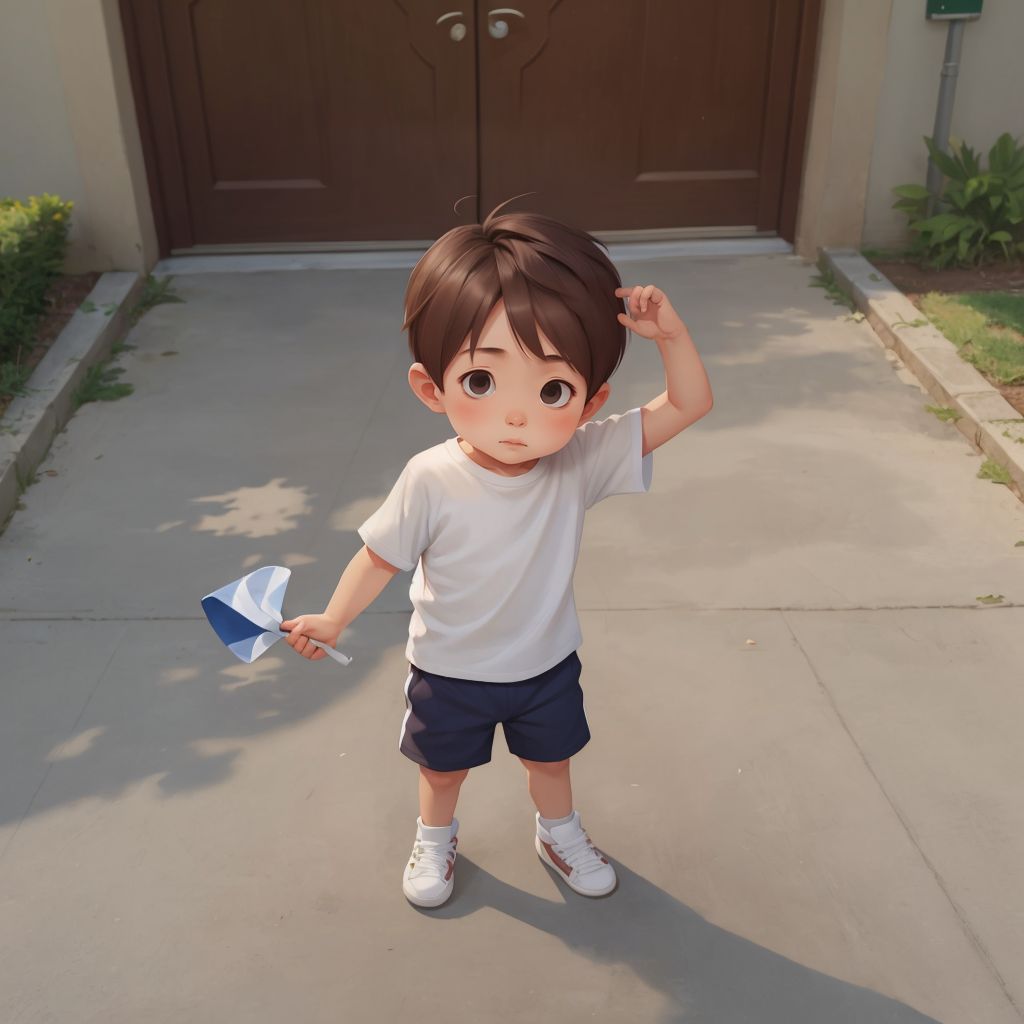
Boy is worried when his daddy leaving him at playschool to go to work. He finally get used with the teachers and friends and happy.
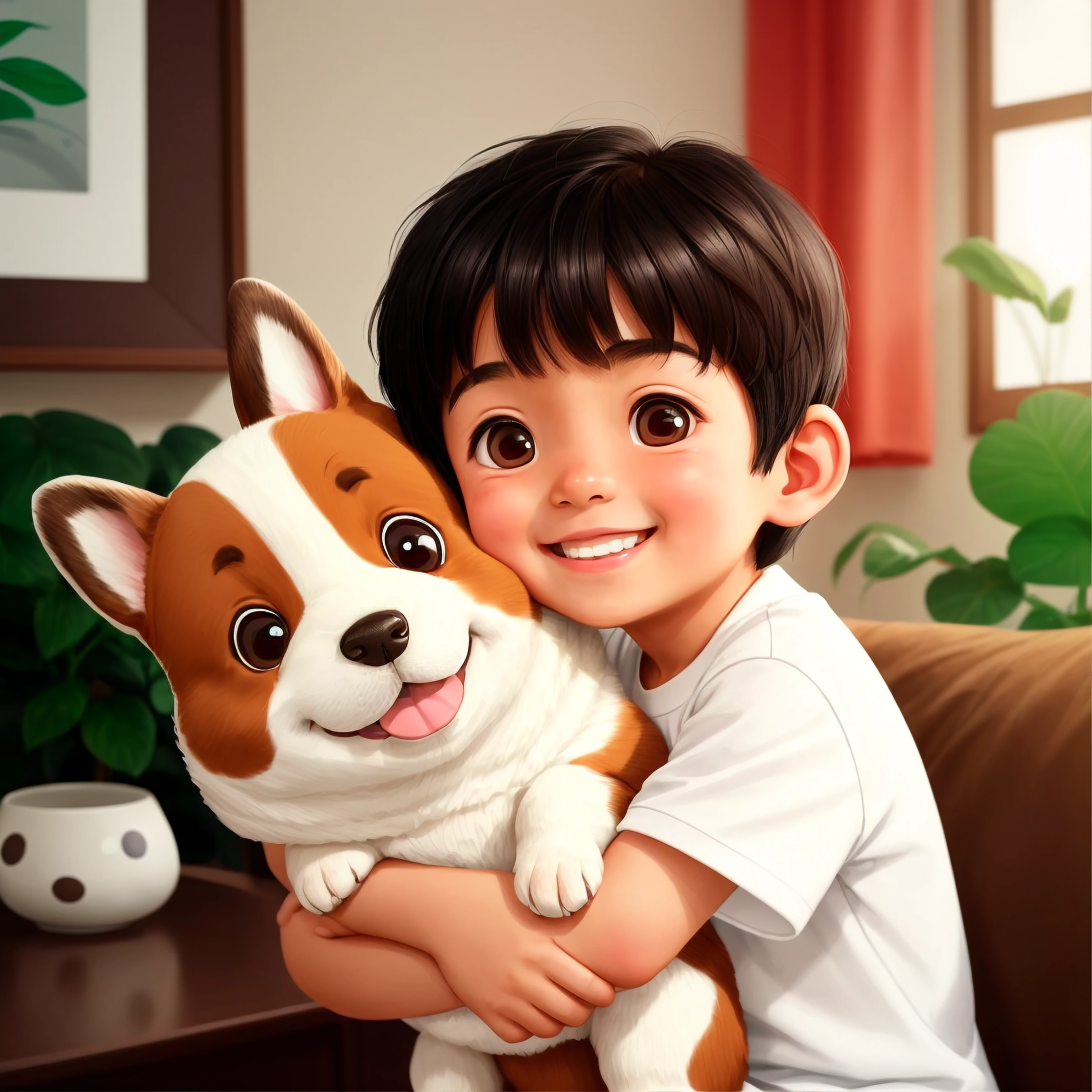
Bino, a young boy, receives a surprise from his parents, a puppy named Bantay. He loves Bantay and spends time with him. One day, Bino asks his mother to take Bantay to the playground, but she insists on keeping him away. They play with Bantay and another friend, Buboy, but when Buboy bites them, they take him to the clinic for an anti-rabies vaccination. The doctor advises them to take good care of their pets, not disturbing them during sleep or eating, and to observe the dog for 14 days before consulting a veterinarian. Since then, they have never disturbed Bantay.
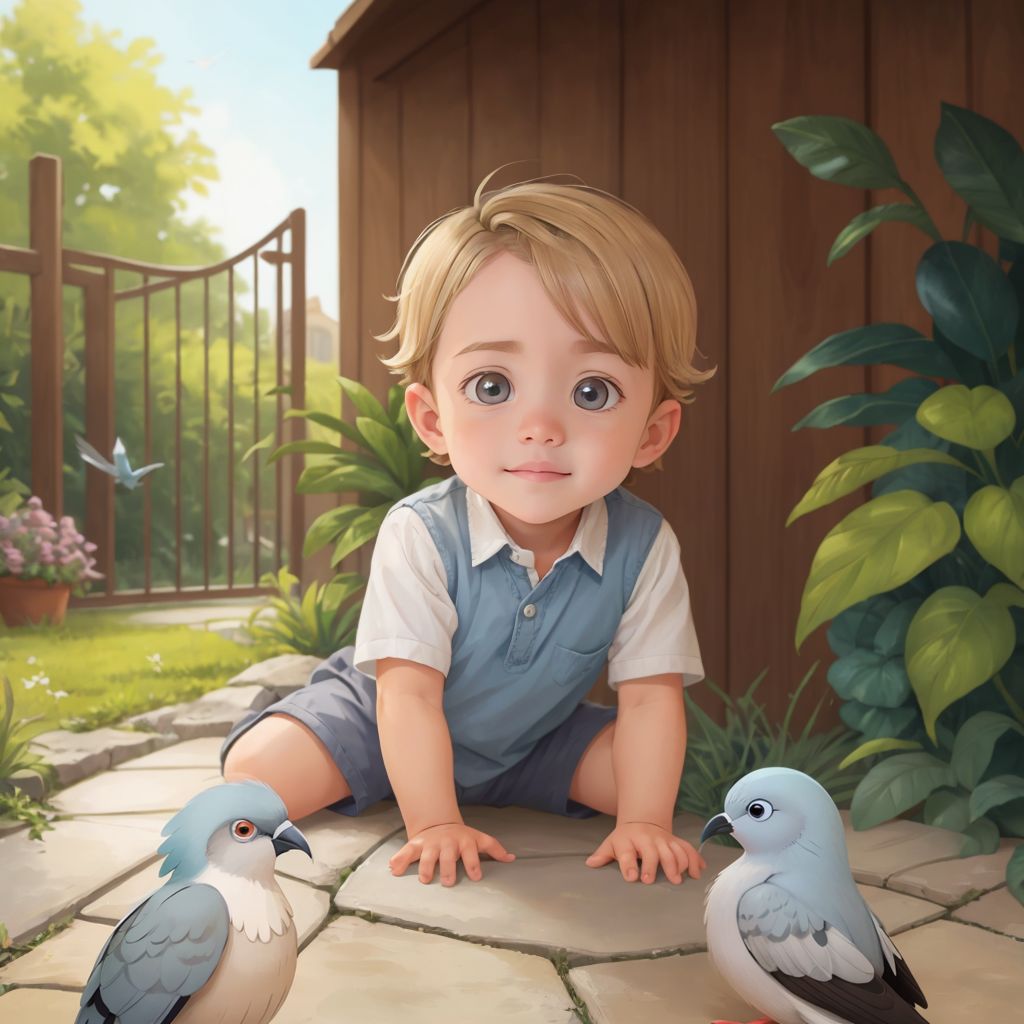
A 3 year old boy named Luke and his two best friends Paco and Lolo go on endless adventures together
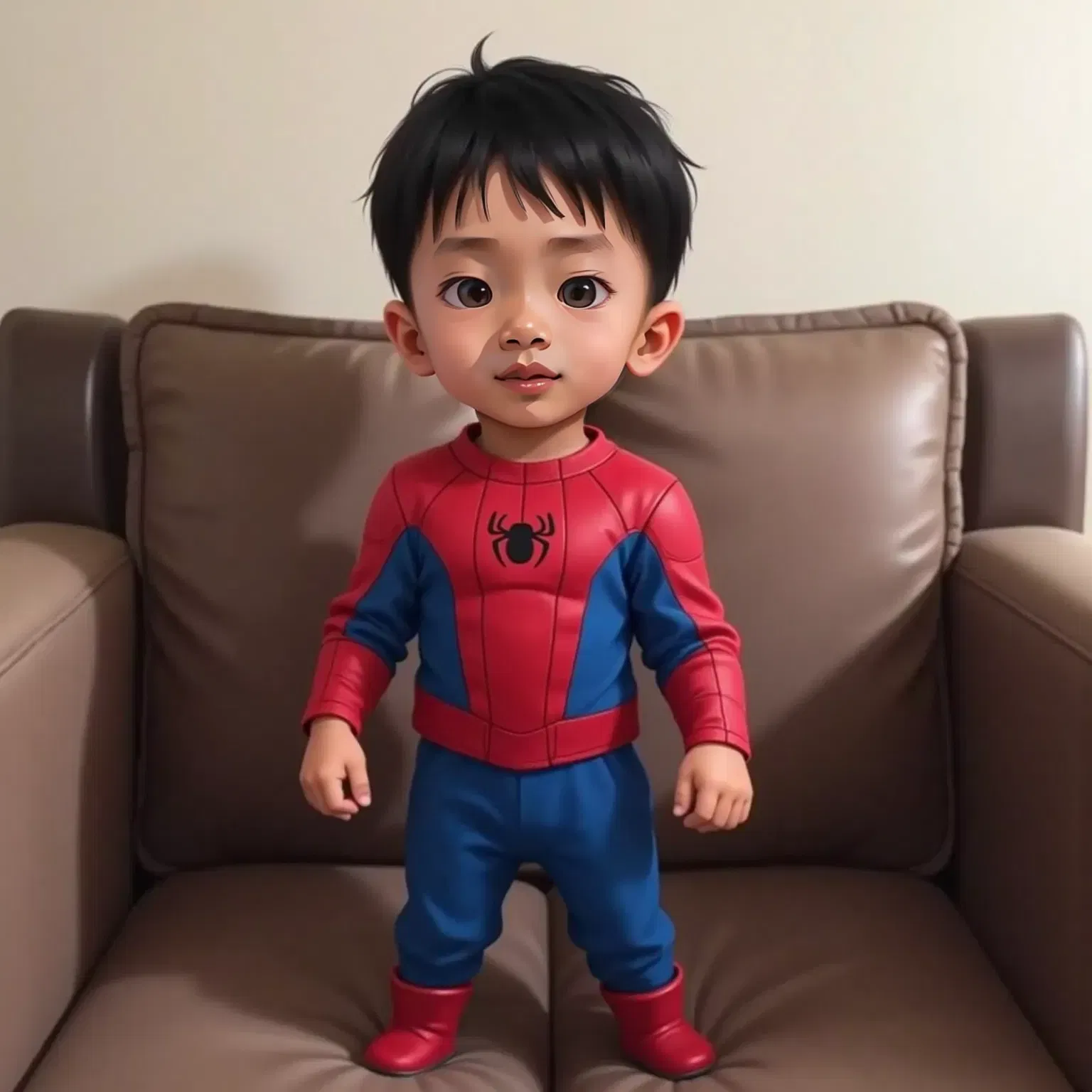
Milton is an amazing boy who loves adventure. He loves spiderman and McQueen . He is 3 years old and is very clever

Kian is a little boy who has a goldfish in a fishbowl at home that he looks at every day. He is happy that his fish is swimming in the water. But one day, Kian realized that his little goldfish was sad and was sitting in a corner and not playing anymore. Kian was also sad. Kian immediately went to the kitchen and took his fish food Kian poured fish food for his fish, which was in trouble, but his goldfish did not eat it. Kian sadly asked his mother: "Mom, why is my fish sad?" Kian went to the bedroom with his mother and his mother asked Kian a question In the park with his mother, Kian threw his goldfish into a large pool full of goldfish and waved his hand to the goldfish The red fish happily made beads for Kian and Kian happily looked at the red fish in the pool
rksryhk jlöuışi şçgık
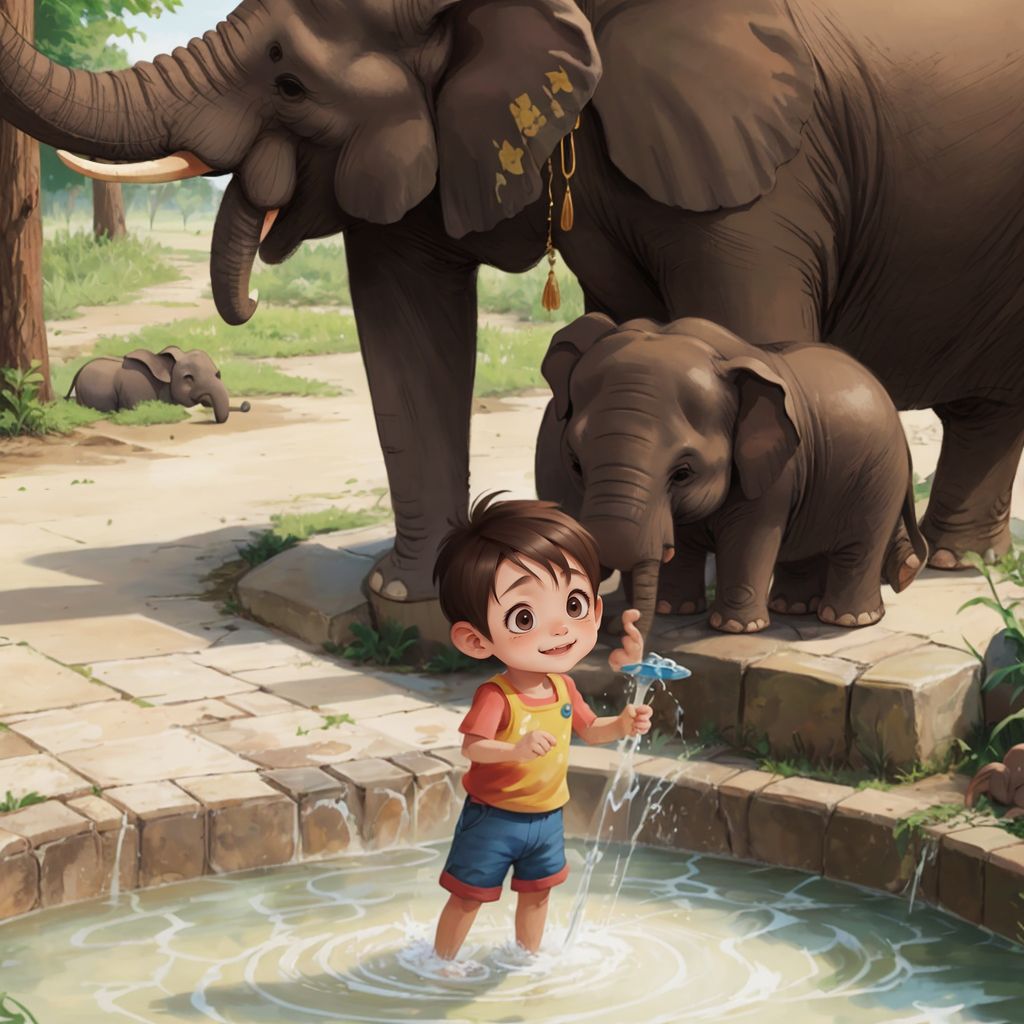
Join young Ian on a day full of discovery and excitement as he visits the zoo for the first time! Eager and wide-eyed, Ian enters the gates, ready to explore and make new friends. His adventure begins with a splash as he meets the playful elephants, where he learns how they use their trunks to drink and shower. Moving along, he spots a group of mischievous monkeys swinging through the trees, and one even offers him a banana! Ian discovers how much monkeys love to play and share. As he continues his journey, Ian comes across a herd of zebras with their fascinating black and white stripes. A zookeeper explains that each zebra’s pattern is as unique as a fingerprint, teaching Ian about the wonders of individuality in nature. Next, Ian steps into an aviary filled with vibrant birds of every color. When a curious parrot flutters near, Ian learns about flying and the many songs that birds sing to communicate. Ian’s heart races as he approaches the lion exhibit, hearing their mighty roars echo. He learns that lions are known as the "kings of the jungle" and that they live in close family groups, inspiring him with the strength of family bonds. He then stumbles upon a charming group of penguins waddling about. Their funny walk makes Ian giggle, and he’s fascinated to learn that while penguins can’t fly, they’re exceptional swimmers built for icy waters. Just as the day is winding down, Ian is treated to a magical sight: the zoo glows with fireflies, lighting up his path like tiny stars. The twinkling lights fill Ian with awe, leaving him with a newfound love for the wonders of nature. As he heads home, Ian can hardly wait to share his incredible adventure with his friends, already dreaming of his next big day at the zoo.
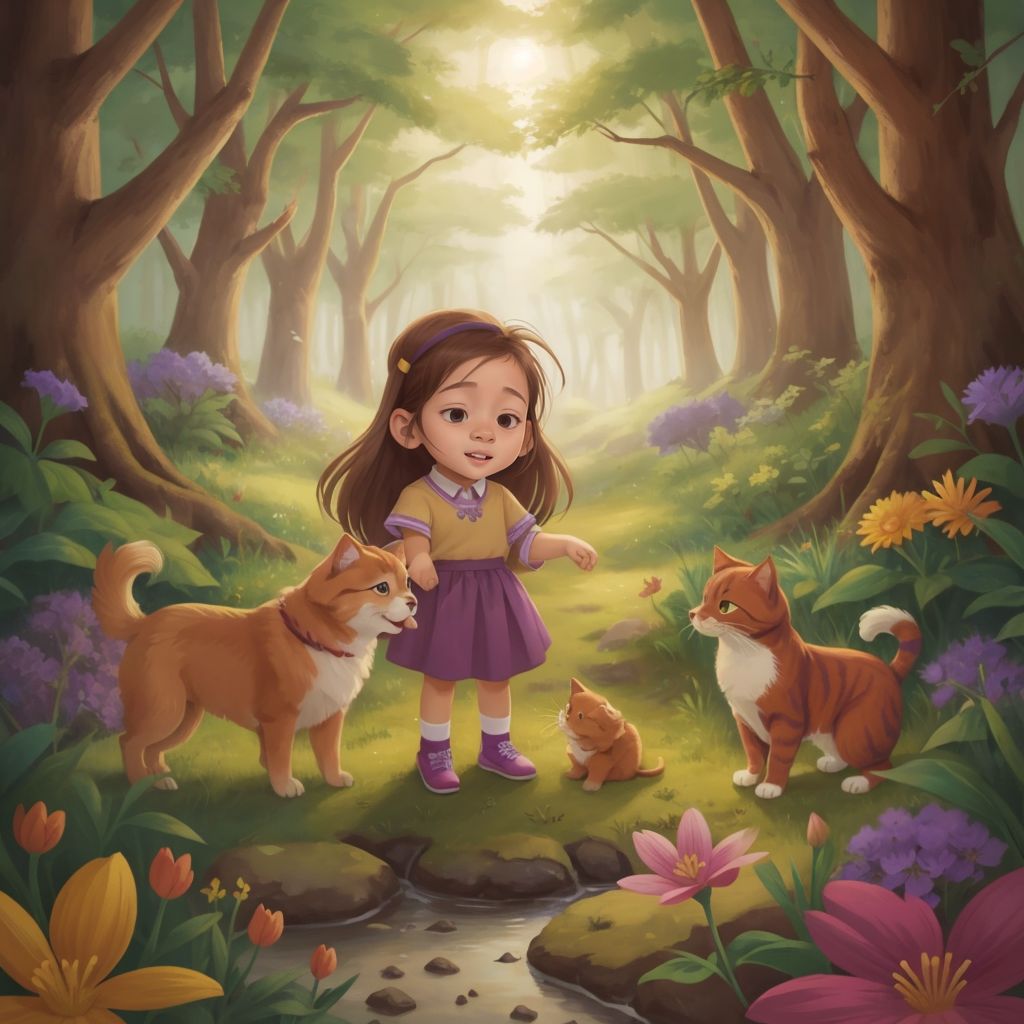
Annabelle has to fury friends. A Golden retriever call twinkle and a purple cat called Coop

a brave king to free his kingdoom from the enemies

Princess mermaid Nyla gets pregnant and has a baby girl. they grow old and take over the world and fill it with happiness. Nyla and her baby are the only ones with rainbow fins. later in life nyla finds out her real dad is king bryan the super strong powerful king of the ocean
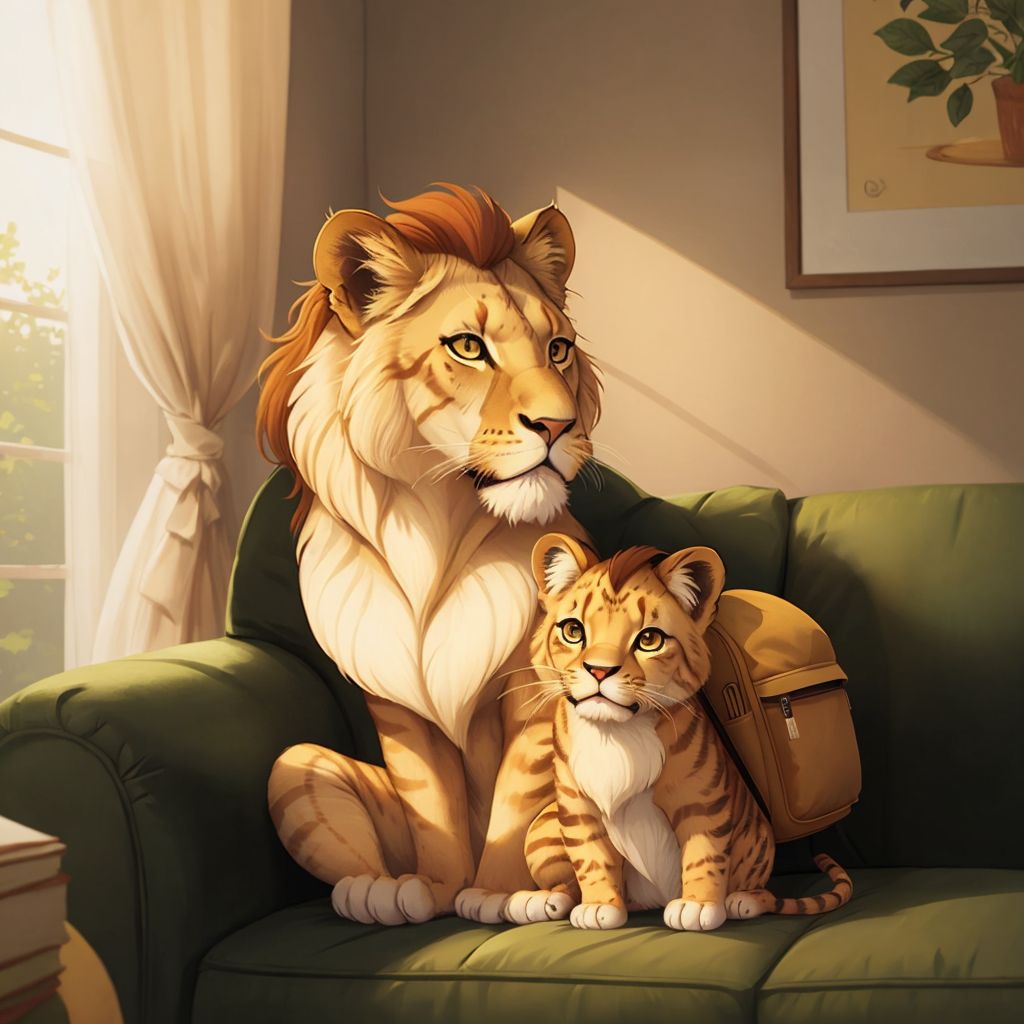
A positive mindset book for kids

Aqma walks to the park near his house with excitement. He wants to practice his new football shooting technique so he can become a great footballer like Cristiano Ronaldo. “Alright! Today I’ll get better and closer to my dream of being a footballer!” Aqma said to himself, holding his ball tightly. When Aqma arrives at the park, he looks up at the clear sky and smiles. As he lowers his hand, he notices a girl sitting alone in the gazebo. “Who’s that girl? I’ve never seen her here before,” Aqma wonders. As Aqma practices, he feels uncomfortable. He isn’t used to being watched, especially by a girl. “Come on, Aqma! You’re a man, don’t be shy,” he mutters to himself. He glances at the girl again, and to his surprise, she is watching him too. Aqma becomes even more distracted. Aqma gathers his courage and walks toward the girl. Rina, feeling shy and unsure, looks at him as he approaches. “Hi, my name is Aqma. What’s your name?” Aqma asks with a smile. The girl stays quiet for a moment, then softly replies, “Umm... Rina. My name is Rina.” “Hello, Rina! If you don’t mind, would you like to play football with me? Just for fun?” Aqma asks cheerfully. Rina shakes her head. “I’m sorry, Aqma. I can’t play football.” “Don’t worry! I’ll teach you!” Aqma insists. But Rina lowers her face and says quietly, “It’s not that... I can’t walk properly.” Aqma is confused a bit and then notices the walking stick behind her, “Oh," Aqma feels sorry and says softly, “I’m so sorry, Rina. I didn’t know...” Rina smiles a little. “It’s okay, really.” Suddenly, Aqma has an idea. “Hey, Rina! What if you become my coach?” “Me? How?” Rina asks, surprised. “You can help rate my skills and tell me how good my shots are! just like a real coach!” Aqma says excitedly. Rina smiles brighter. “Okay, my dads often tell me about Cristiano, so I understand a bit about football”. “Really? You know Cristiano too? Aqma surprised. From that day on, Aqma and Rina meet at the park often.
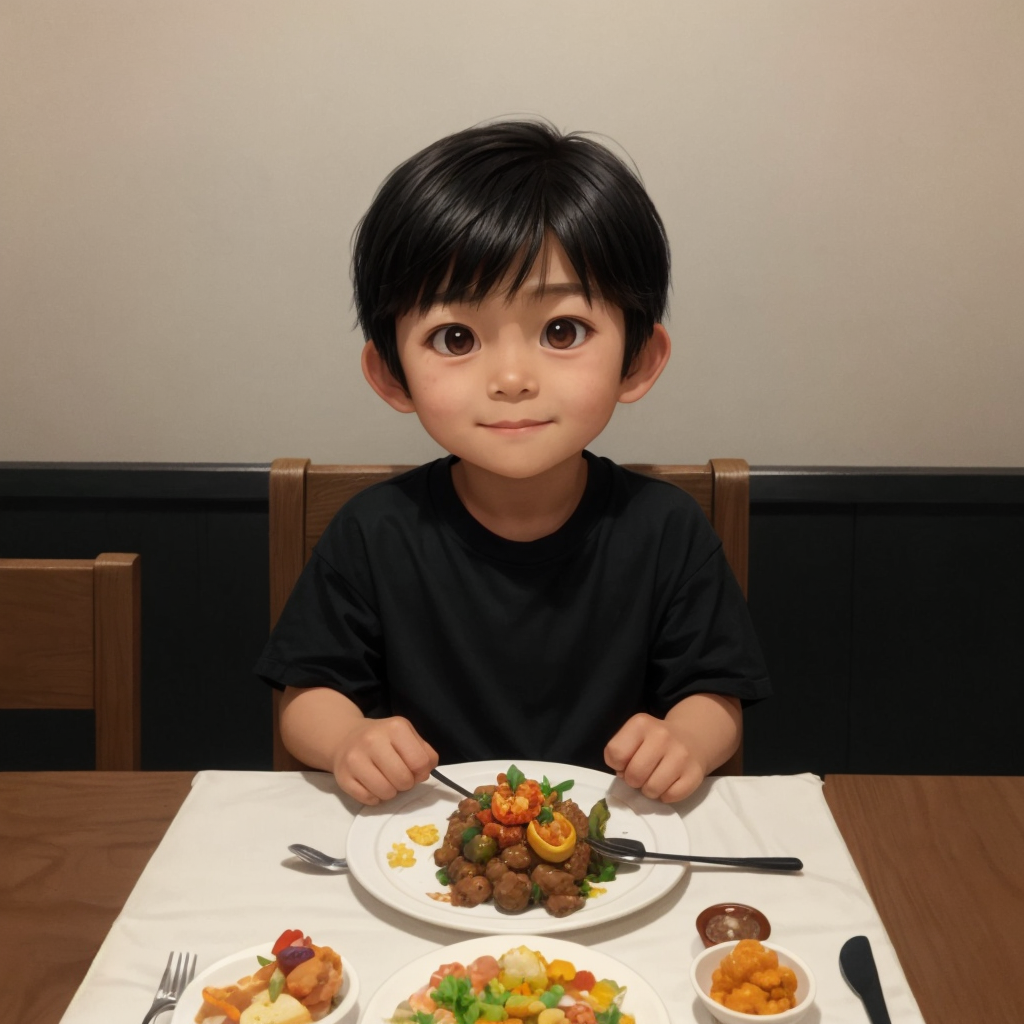
1. A tidy dining table with a dish of food, focusing a pair of hands who is using utensils to eat properly, neat and tidy. 2. 大人 thumbs up and smiling and praising 亞圖, who is eating properly with a spoon at the dining table with a joyful and proud expression.
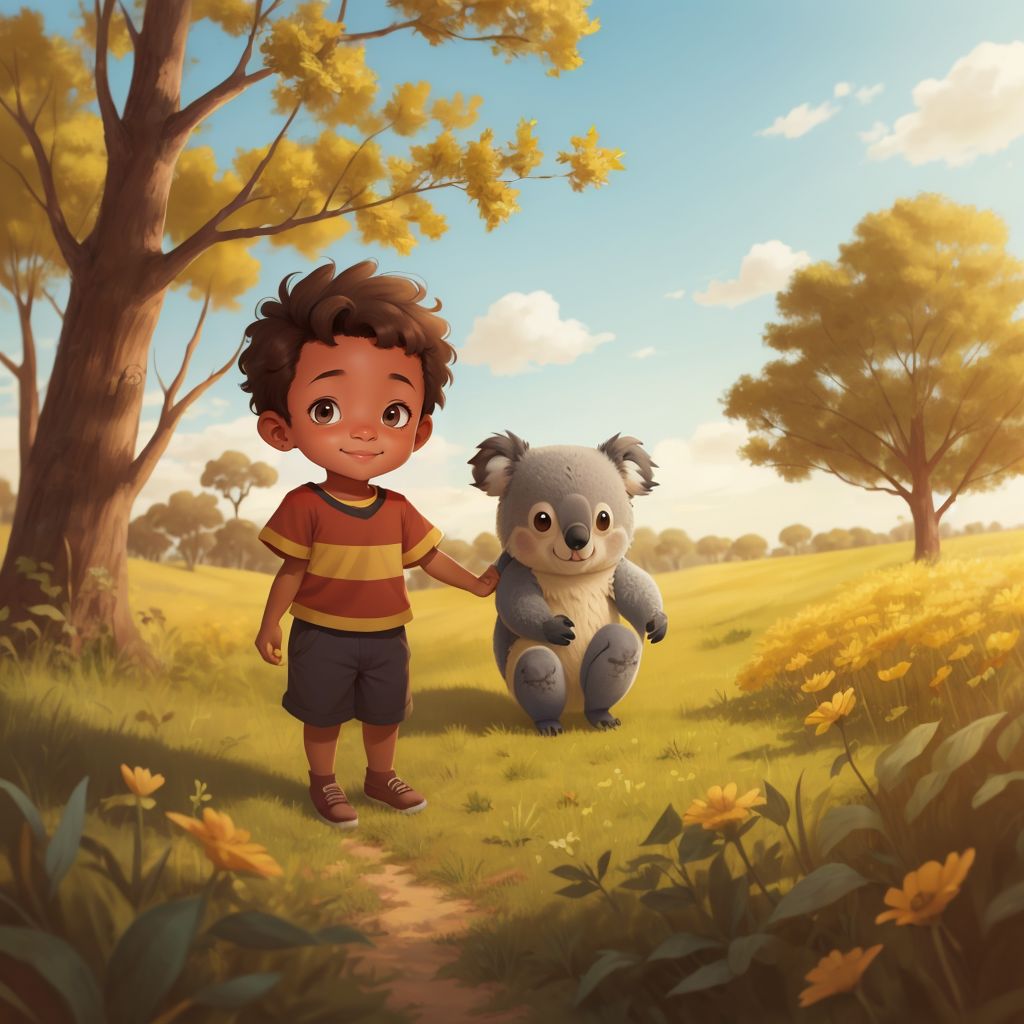
Colorful cartoonish illustration of various transportation modes with animals (e.g., a plane with a flying bird, a train with a lion conductor, a boat with a dolphin).

Chapter 1: The Mysterious Coin In the cheerful town of Valentine, everyone loved their wise and kind leader, Mayor Mysiki. One sunny morning, Mayor Mysiki called all the children and their parents to the town square for an exciting announcement! "Good morning, everyone!" Mayor Mysiki said, his eyes twinkling. "Today, I want to share a magical secret about something we use every day: Money!" The children gasped in excitement. Mayor Mysiki held up a stack of green bills. "This," he said, "is a money--magic money. But what makes it truly magical is how you use it. Let's explore the wonders of money together!"

Tian Ji, an avid horse racing enthusiast, faced defeat against King Qi Wei in a three-round competition. Despite matching horses class by class, King Qi Wei's steeds outperformed Tian Ji's in every round. Dejected, Tian Ji was ready to leave when his friend Sun Bin suggested a simple solution: switch the order of the horses. With the gong's echo, the race restarted. This time, Tian Ji strategically paired his lower-class horses against King Qi Wei's upper-class, his upper-class against the middle-class, and his middle-class against the lower-class. The result was two wins and one loss, turning Tian Ji's initial defeat into a triumphant victory. The same horses, reordered cleverly, showcased the power of strategic thinking in transforming setbacks into success.